Introduction: Why Gladiolus Symbolism Matters
Gladiolus symbolism is closely associated with strength, integrity, honor, passionate love, and personal growth.
Known for its tall stems and dramatic, sword-shaped leaves, the gladiolus flower has long captured attention in gardens, floral arrangements, art, and meaningful celebrations.
Its distinctive appearance makes it a powerful symbol of resilience, courage, and the ability to stand tall through life’s challenges.
The gladiolus is more than an attractive flowering plant. Its name connects it with the Latin word for a small sword, giving it a natural association with bravery, protection, and determination.
Over time, the flower has also become associated with romantic devotion, moral character, remembrance, and the celebration of important milestones.
Understanding gladiolus flower meaning can help you choose thoughtful gifts, interpret floral arrangements, explore botanical symbolism, or add deeper significance to weddings, anniversaries, funerals, and personal ceremonies.
Its symbolism also demonstrates how people use natural forms to communicate emotions that words sometimes struggle to express.
Whether you have received a bouquet of gladiolus flowers, are curious about their spiritual meaning, or want to understand what different colors represent, exploring this flower reveals the relationship between nature, cultural traditions, human emotion, and visual communication.
What Does Gladiolus Symbolize?
Gladiolus symbolizes strength, courage, honor, integrity, and deep emotional commitment. Its sword-shaped leaves suggest bravery and determination, while its tall flower spikes represent ambition, resilience, and rising above difficulties. Depending on its color and context, gladiolus can also communicate romantic love, remembrance, admiration, sincerity, and respect.
These meanings are symbolic interpretations rather than universal rules. The message of a gladiolus flower can change according to the occasion, the giver’s intention, local customs, and the recipient’s personal associations.
1. The Historical Origins of Gladiolus Symbolism
Gladiolus symbolism developed through the flower’s distinctive shape, its name, and the meanings people have attached to flowers across different periods. Its connection with the sword is well established linguistically, while some stories about its use in ancient Roman ceremonies are better treated as folklore than verified history.
The meaning behind the name gladiolus
The botanical name Gladiolus comes from the Latin word gladius, meaning “sword.” The name refers to the plant’s long, pointed leaves, which resemble blades. The flower is also commonly called the sword lily because of this feature.
The Old Farmer’s Almanac
+1
This natural resemblance provides the foundation for several symbolic interpretations:
- Strength: The sword-like leaves suggest resilience and the ability to withstand challenges.
- Courage: The sword has historically represented bravery, defense, and readiness to face adversity.
- Honor: The association with martial imagery evokes dignity, discipline, and honorable conduct.
- Determination: The plant’s upright growth suggests persistence and purposeful ambition.
These associations demonstrate an important principle of semiotics, the study of signs and meaning: an object’s physical characteristics can influence how people interpret it. The gladiolus does not inherently possess moral qualities, but its form gives people a memorable visual language for expressing them.
Gladiolus and ancient Roman culture
The shared Latin root of gladiolus and gladiator creates a natural historical association with Roman combat. Popular flower guides often claim that gladiolus flowers were presented to victorious gladiators or worn as protective charms.
However, these particular stories should be approached cautiously. The linguistic connection is clear, but that alone does not establish that gladiolus flowers routinely played these roles in ancient Roman arenas. The specific historical details are less secure than modern retellings sometimes suggest.
The Old Farmer’s Almanac
+2
Even without relying on uncertain stories, the sword image helps explain why gladiolus is associated with victory, courage, and personal strength in modern floral symbolism.
Gladiolus in the Victorian language of flowers
During the nineteenth century, floriography—the practice of assigning meanings to flowers—became particularly popular in Europe and North America. People used bouquets to communicate affection, admiration, sympathy, and other feelings through a socially recognized symbolic vocabulary.
rhs.org.uk
+1
In this tradition, gladiolus became associated with strength of character, sincerity, integrity, and infatuation. Its sword-like appearance also inspired a romantic interpretation: love could be imagined as a force that pierced the heart.
cba-abc.ca
+1
These historical associations help explain why gladiolus can communicate both emotional vulnerability and personal strength. It is a flower that can express deep affection without suggesting weakness.
2. The Core Symbolic Meanings of Gladiolus
Gladiolus has several interconnected meanings. The most appropriate interpretation depends on the context in which the flower appears.

Strength and resilience
The tall, upright stem and pointed leaves make gladiolus a natural emblem of standing firm during difficult times. It can symbolize someone who has faced adversity and continues moving forward.
Example: Give gladiolus to a friend who has completed a difficult period of study, recovered from a major setback, or begun a new chapter.
Passionate love and infatuation
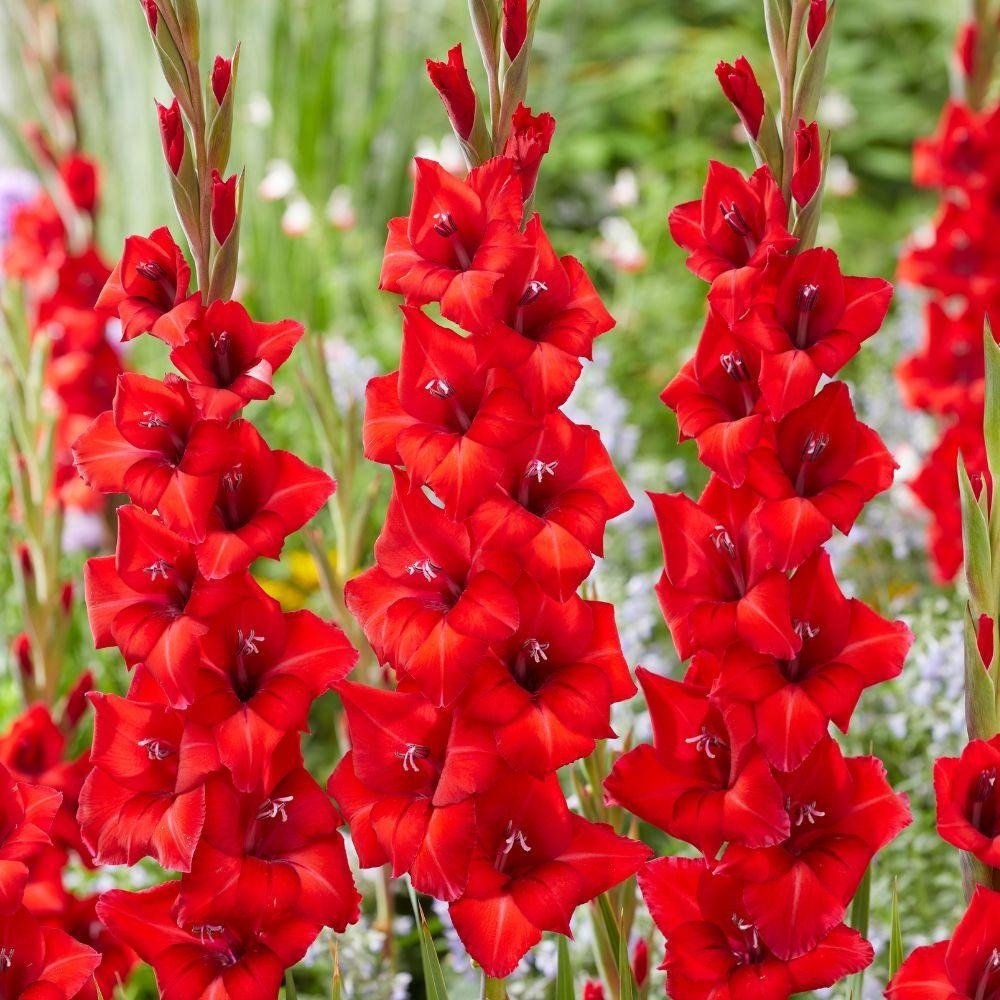
Gladiolus can represent intense attraction, heartfelt admiration, and romantic commitment. The traditional image of a heart pierced by a sword adds drama to its romantic meaning.
Example: A red gladiolus bouquet can communicate strong affection when accompanied by a personal message explaining what the relationship means to you.
Integrity and sincerity
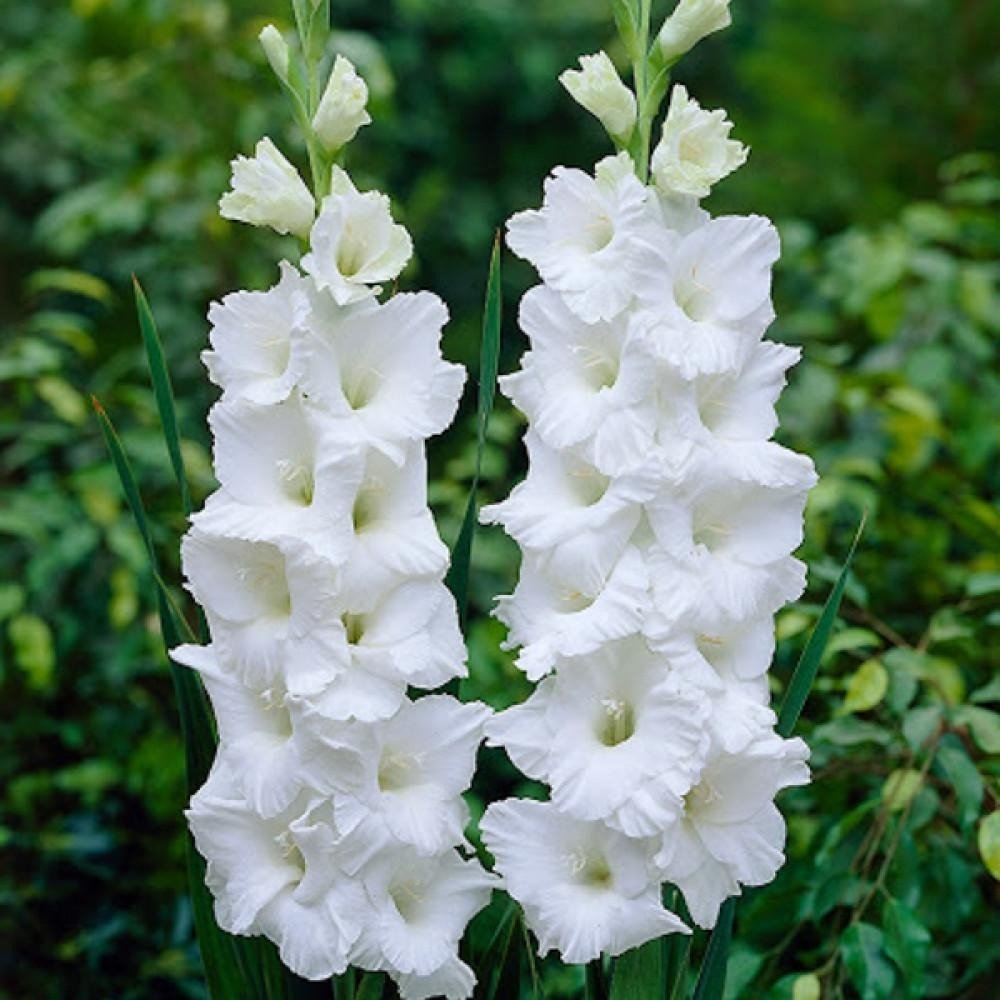
Gladiolus is often interpreted as a symbol of honest intentions and strong moral character. This makes it suitable for occasions when respect and appreciation matter more than extravagance.
Example: Present gladiolus to a mentor, colleague, or family member whose honesty and principles you admire.
Honor and achievement
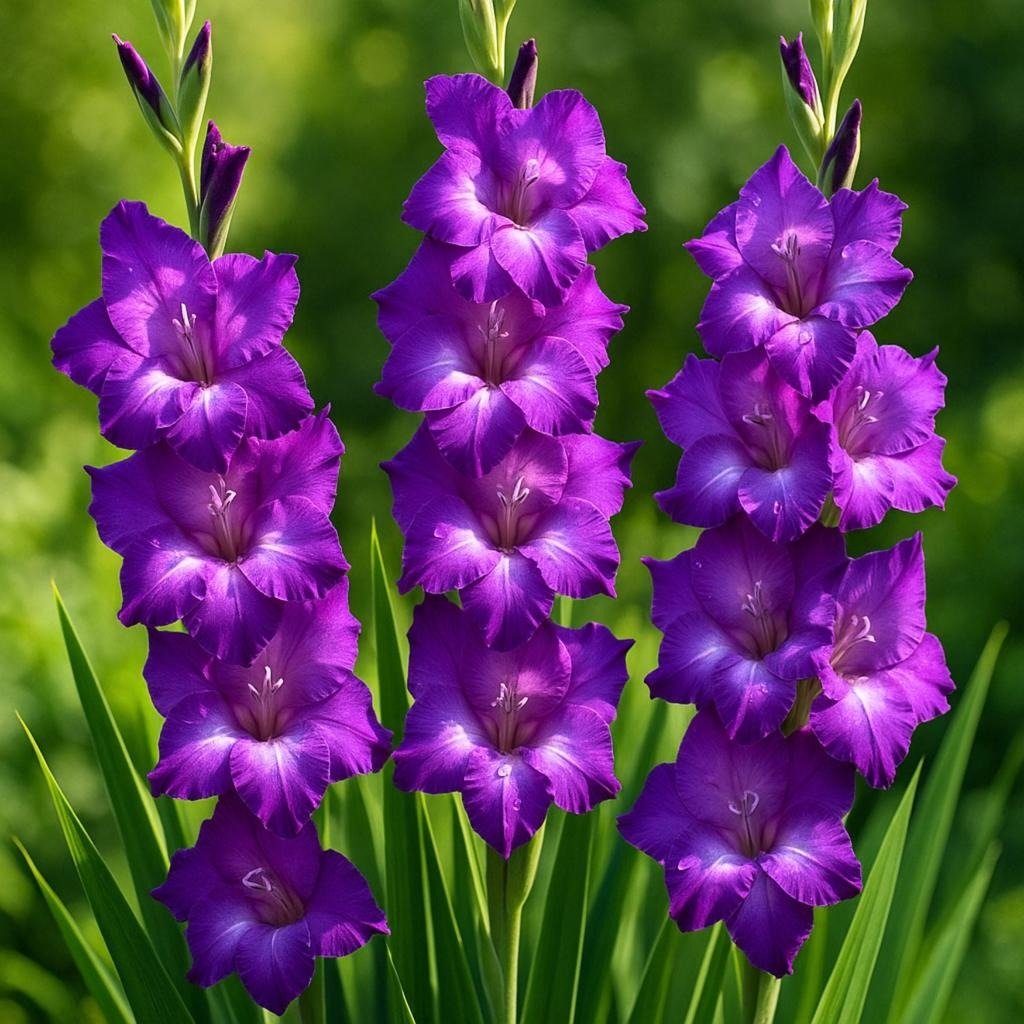
The flower’s upright form and sword association lend themselves to themes of victory, discipline, and earned recognition.
Example: Use gladiolus in a graduation bouquet, an achievement celebration, or a retirement arrangement honoring years of dedicated service.
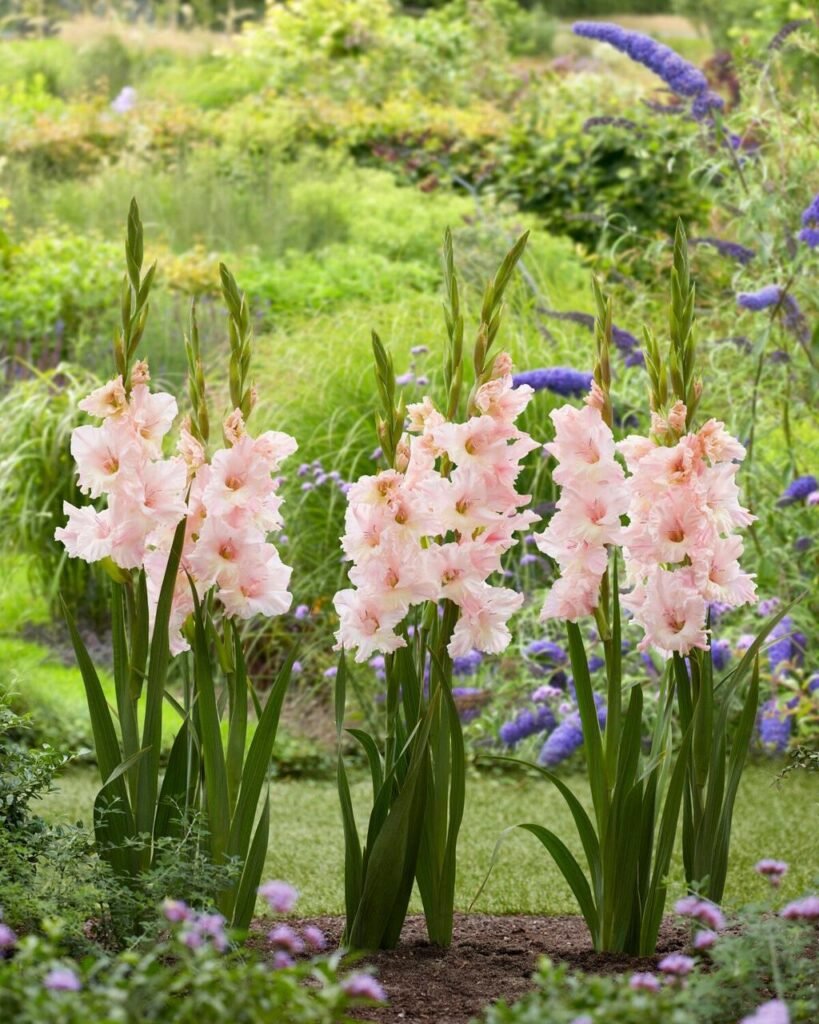
Remembrance and enduring affection
Gladiolus is also associated with remembering people and honoring their influence. Its symbolism of steadfastness can help communicate that love and respect remain meaningful even after separation or loss.
Example: Include gladiolus in a memorial arrangement to express respect, gratitude, and lasting remembrance.
These meanings overlap rather than compete. A single arrangement might express admiration for someone’s achievements, affection for their personality, and respect for their integrity at the same time.
3. Gladiolus Flower Color Meanings
Color symbolism adds another layer to gladiolus. The traditional interpretations below are useful guidelines, not universal cultural rules. Color meanings vary between floral traditions, individual experiences, and modern commercial conventions.
The Old Farmer’s Almanac
+2

Red gladiolus — love, passion, and courage
Red flowers commonly evoke intense emotion, romantic desire, and vitality. Combined with the gladiolus’s traditional association with strength, red can suggest courageous love or devotion that endures challenges.
Best for: Romantic occasions, heartfelt celebrations, and expressions of admiration.
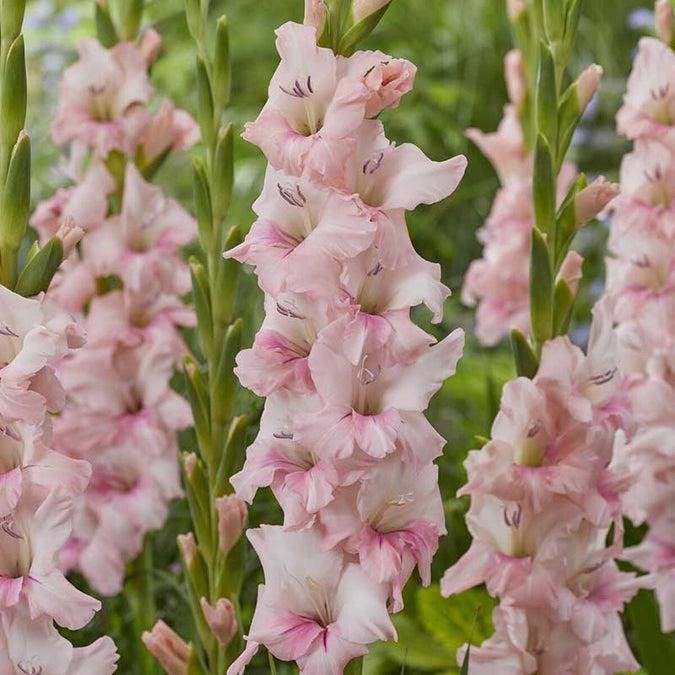
Pink gladiolus — compassion, affection, and appreciation
Pink gladiolus is often used to communicate warmth, tenderness, and caring relationships. Some popular flower guides specifically associate pink gladiolus with maternal love.
Best for: Mother’s Day, family celebrations, thoughtful thank-you gifts, and supportive gestures.
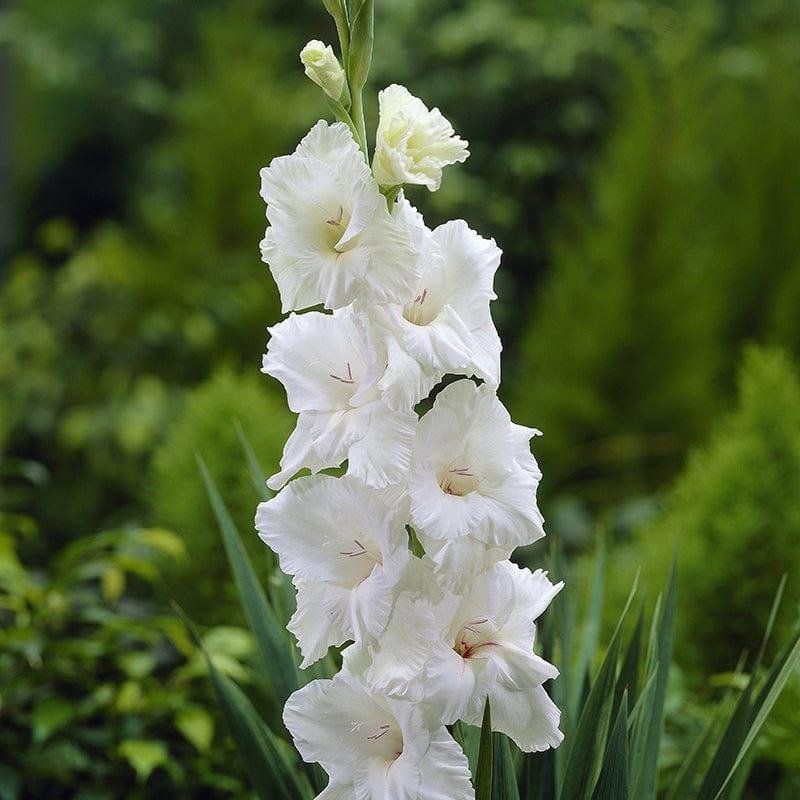
White gladiolus — sincerity, purity, and respect
White flowers often suggest honesty, peace, innocence, or reverence in many contemporary floral traditions. White gladiolus can emphasize dignity and sincere intentions.
Best for: Weddings, formal ceremonies, sympathy arrangements, and respectful tributes.
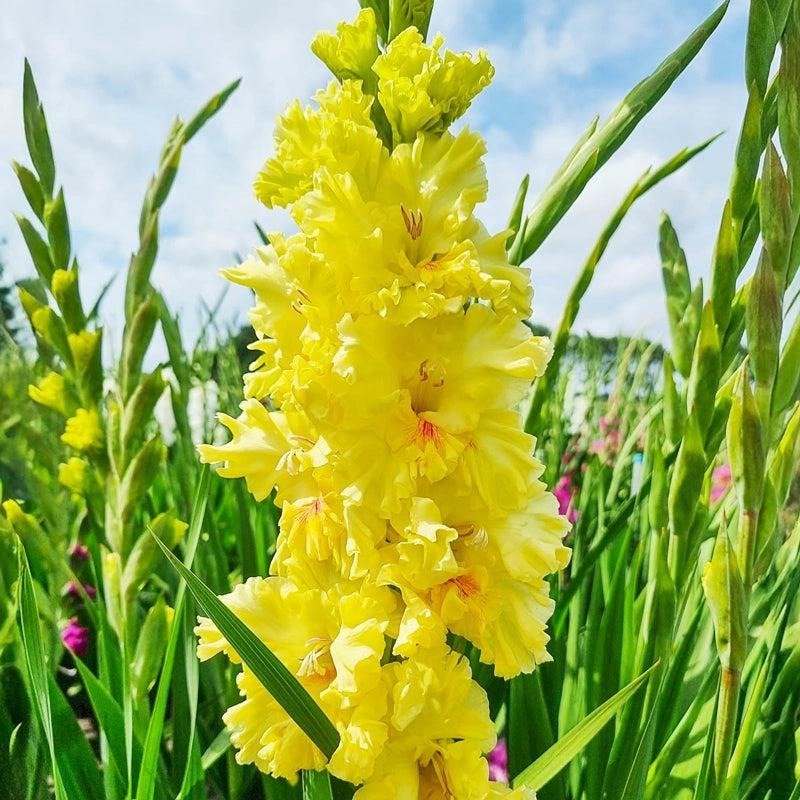
Yellow gladiolus — friendship, joy, and encouragement
Yellow is frequently associated with sunshine, optimism, and friendly warmth. Yellow gladiolus can express celebration and positive wishes.
Best for: Birthdays, congratulations, friendships, and encouraging someone facing a challenge.
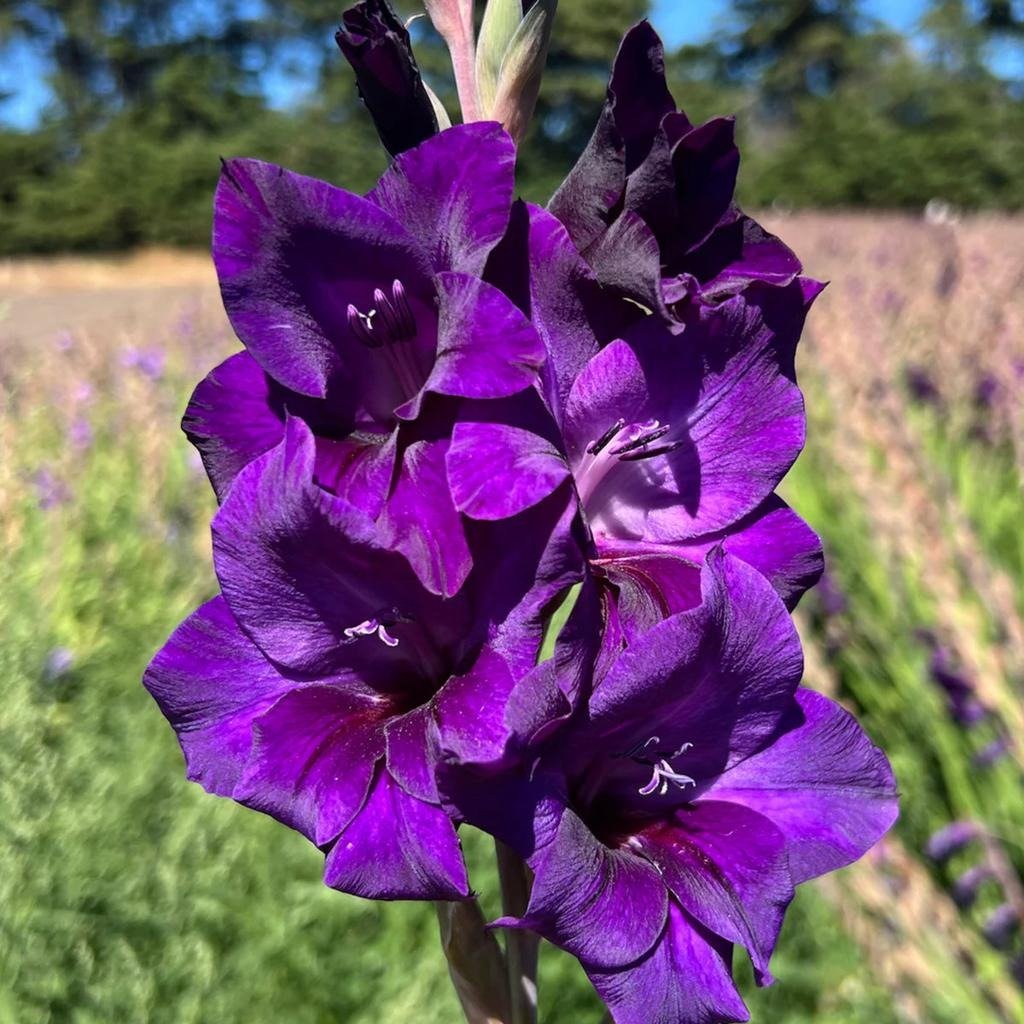
Purple gladiolus — dignity, admiration, and distinction
Purple is often connected with prestige, creativity, mystery, and refinement. In a gladiolus arrangement, it can reinforce themes of achievement and respect.
Best for: Professional recognition, milestone birthdays, artistic celebrations, and elegant floral designs.
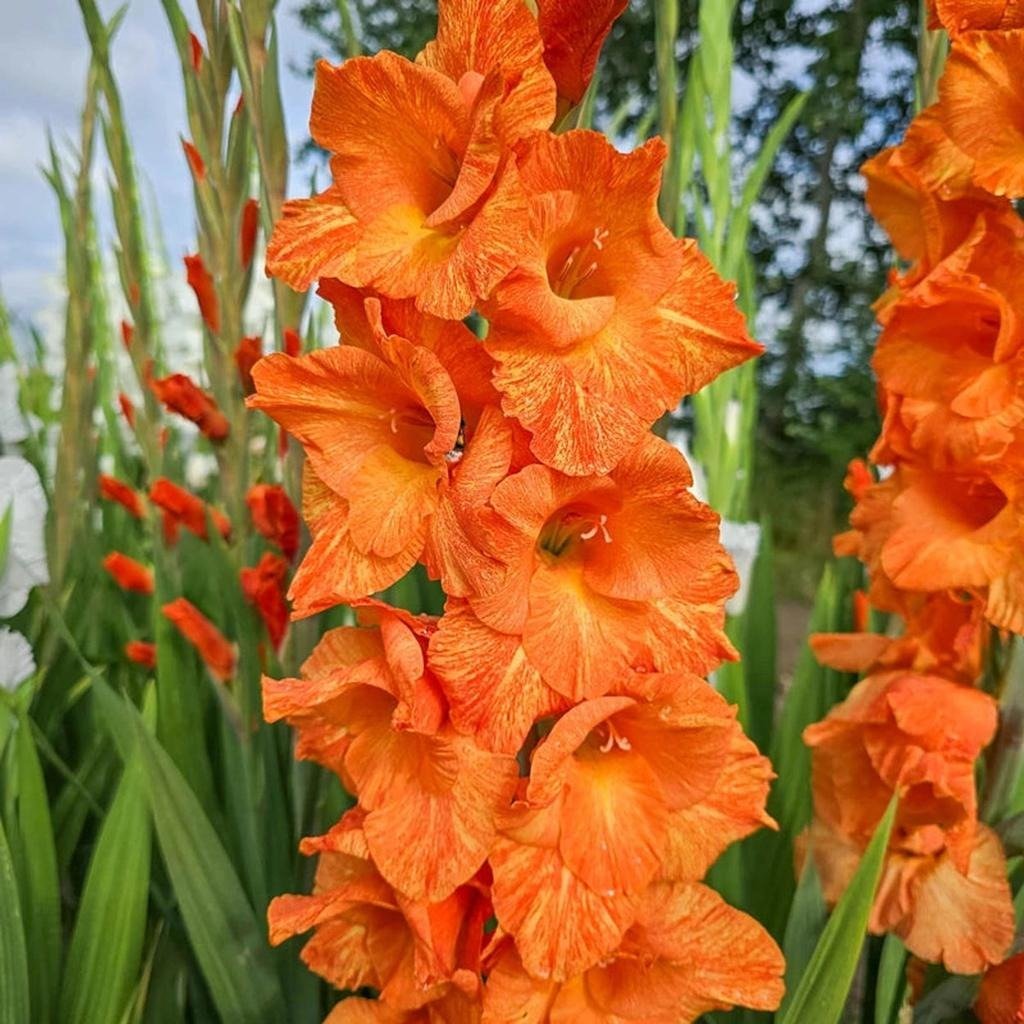
Orange gladiolus — enthusiasm, energy, and confidence
Orange blooms can convey excitement, warmth, and a lively approach to life. Their bold color complements the flower’s associations with determination and forward movement.
Best for: Celebrating new opportunities, personal accomplishments, and energetic gatherings.
Does the color change the flower’s overall meaning?
Yes, in the sense that color can influence how an arrangement is perceived. However, the flower’s traditional associations remain part of the message.
| Color | Common interpretation | Suggested occasion |
| Red | Passion and courageous love | Anniversary or romantic gift |
| Pink | Tenderness and appreciation | Mother’s Day or thank-you gift |
| White | Sincerity and reverence | Wedding or memorial |
| Yellow | Friendship and happiness | Birthday or congratulations |
| Purple | Dignity and admiration | Achievement or formal event |
| Orange | Enthusiasm and confidence | New beginnings or celebration |
Expert tip: When the meaning matters, combine color with a clear personal message. A red gladiolus bouquet could express romantic passion, while the same flowers given to an athlete might celebrate courage and achievement. The relationship and occasion help establish the intended meaning.
4. The Spiritual Meaning of Gladiolus
The spiritual meaning of gladiolus is often interpreted through themes of inner strength, perseverance, self-respect, and personal transformation. People who use flowers in spiritual reflection may see the plant’s upright growth as a reminder to remain grounded in their values while continuing to develop.
These interpretations belong to personal and cultural belief systems; they should not be confused with scientifically established spiritual effects or a single universal religious teaching.
Gladiolus as a symbol of inner strength
Spiritually, gladiolus can serve as a reminder that strength is not simply about overcoming others. It can also mean maintaining compassion, acting honestly, and remaining committed to one’s principles during uncertainty.
Its upright stem offers a useful metaphor for resilience. Just as a flower grows toward the light, a person may strive to move toward greater understanding, purpose, and emotional maturity.
For example, someone starting a new career might keep gladiolus in their home as a personal reminder to remain courageous and disciplined throughout the transition.
Gladiolus and personal transformation
The flower’s tall growth and successive blooms can inspire reflections on patience and development. Although the symbolism is interpretive, it provides a meaningful framework for thinking about how progress often occurs through a series of small steps.
Gladiolus may therefore represent:
- Releasing limiting habits and developing healthier ones.
- Maintaining integrity when facing difficult decisions.
- Recognizing personal achievements without losing humility.
- Finding the confidence to begin again after disappointment.
Does gladiolus have a spiritual message?
There is no single established message that gladiolus delivers to everyone. If you personally associate the flower with a spiritual experience, its meaning may arise from memory, intention, cultural tradition, or the circumstances in which you encounter it.
A useful reflection: Ask yourself what strength, honesty, or personal growth means in your current circumstances. This approach treats flower symbolism as a tool for contemplation rather than as a prediction of future events.
5. Gladiolus Symbolism in Love and Relationships
Gladiolus has a distinctive place in romantic symbolism because it combines emotional intensity with steadfastness. It can represent attraction, admiration, loyalty, and the courage required to express genuine feelings.
Gladiolus as a symbol of romantic love
In traditional flower language, gladiolus is associated with infatuation and the idea of being emotionally pierced by another person’s beauty or charm. This imagery gives the flower a more dramatic romantic character than flowers associated primarily with gentleness or innocence.
The Old Farmer’s Almanac
+1
A gladiolus bouquet may communicate:
- Deep attraction: Someone has made a strong impression on you.
- Devotion: Your feelings are sincere and meaningful.
- Admiration: You respect the other person’s character as well as their appearance.
- Commitment: You value the relationship and want it to grow.
- Courage in love: You are willing to communicate your feelings honestly.
Gladiolus for anniversaries and weddings
Gladiolus is a practical choice for celebrating a relationship built on trust, perseverance, and shared experiences. Its association with strength makes it especially appropriate for honoring couples who have navigated life’s difficulties together.
It is also recognized as a traditional flower for the 40th wedding anniversary, connecting it with long-lasting commitment and the celebration of a significant relationship milestone.
cba-abc.ca
+1
For a wedding bouquet, gladiolus can represent the intention to build a relationship grounded in mutual respect. For an anniversary, it can honor the effort required to sustain love over time.
However, because its stems and blooms can create a tall, dramatic silhouette, it may suit some floral designs better than others. Florists can combine it with roses, seasonal greenery, or smaller flowers to create a softer arrangement.
6. Gladiolus Symbolism Across Cultures and Traditions
Flower meanings are shaped by history, religion, local customs, literature, and everyday practices. Gladiolus does not carry one fixed interpretation across every society, and a symbolic meaning popular in modern Western floral guides should not automatically be attributed to other cultures.
| Cultural or interpretive context | Possible association | Important qualification |
| Classical Roman associations | Swords, combat, and martial imagery | The Latin name is established; specific stories about gladiolus in arenas require caution. |
| Victorian European floriography | Strength of character, sincerity, integrity, and infatuation | Historical flower dictionaries did not always agree on meanings. |
| Contemporary Western floral gifting | Achievement, affection, honor, and remembrance | The occasion and bouquet’s color shape the intended message. |
| Modern spiritual reflection | Perseverance, self-development, and inner strength | These are personal interpretations, not universal religious doctrines. |
| Memorial and ceremonial arrangements | Respect, dignity, and remembrance | Local funeral customs and family preferences should guide flower choices. |
Gladiolus in European flower traditions
The nineteenth-century language of flowers helped popularize the practice of assigning symbolic meanings to bouquets. In this tradition, gladiolus became associated with strong character and sincere feelings.
Flower dictionaries were cultural products, not a universally standardized code. Their meanings reflected the authors, literary associations, and social conventions of their time.
rhs.org.uk
+1
This history is useful because it explains why modern sources sometimes present slightly different meanings for the same flower.
Gladiolus in South Asian contexts
In South Asia, including Pakistan and India, gladiolus is familiar as an ornamental flower used in gardens, floral arrangements, and ceremonial decoration. Its tall stems and colorful blooms make it visually suitable for prominent displays.
A person may interpret gladiolus as a sign of beauty, respect, celebration, or admiration, but these meanings should not be presented as a single traditional South Asian doctrine without specific evidence. Floral preferences differ between communities, religious traditions, families, and individual occasions.
When choosing gladiolus for a wedding, religious celebration, condolence visit, or family gathering, the most thoughtful approach is to consider the recipient’s customs and preferences rather than assuming that every flower has the same meaning across the region.
Gladiolus and religious symbolism
Gladiolus is not universally established as a sacred flower across major religions. Its sword-like form can inspire metaphors involving spiritual courage or moral conviction, but such interpretations should be distinguished from formal religious teachings.
In Christian-inspired floral art, flowers can carry symbolic meanings within particular devotional or artistic contexts. That broader tradition does not automatically make gladiolus a universal Christian emblem.
Similarly, spiritual interpretations in other traditions should be tied to specific documented practices rather than generalized claims. A respectful discussion of flower symbolism recognizes the difference between a personal spiritual association, a cultural custom, and an established religious symbol.
7. The Psychological Meaning of Gladiolus
The psychological meaning of gladiolus can be understood through the way people associate physical forms, colors, and memories with emotions.
A flower does not have a scientifically proven, universal psychological message. Nevertheless, its visual qualities can influence how people describe it and why they select it for particular occasions.
Why the shape matters
The gladiolus has a tall stem, pointed leaves, and a vertical arrangement of blossoms. These features can visually suggest:
- Uprightness: Confidence and dignity.
- Sharpness: Determination, alertness, or protection.
- Height: Ambition and aspiration.
- Multiple blossoms: Abundance, progression, or celebration.
These are interpretations based on visual resemblance, not fixed psychological laws. Someone who loves gardening may see the flower primarily as a reminder of summer, while another person may associate it with a graduation or a loved one.
Color, emotion, and human perception
Color psychology examines how color can influence perception, emotion, and behavior. However, responses depend on context, personal experience, and cultural learning; a color does not reliably produce the same emotional response in everyone.
In floral design, red may be selected to emphasize passion, yellow to create a cheerful atmosphere, and white to create a restrained or formal appearance. Those associations can help a designer shape the overall impression of a bouquet.
For gladiolus, color and form work together. The tall silhouette provides visual drama, while the petals introduce softness, warmth, or intensity.
Gladiolus as a reminder of resilience
People sometimes use meaningful objects as prompts to recall personal values or intentions. A gladiolus plant might remind someone to remain persistent, just as a photograph might remind them of a milestone or a handwritten note might preserve a meaningful message.
The flower’s symbolic value in this situation comes from the connection a person creates between the object and an idea. It does not require a supernatural explanation or a claim that the flower itself changes behavior.
8. Gladiolus in Art, Literature, and Visual Communication
Gladiolus offers several qualities that make it useful in artistic representation: a recognizable sword-like leaf structure, tall stems, colorful blossoms, and a striking vertical silhouette.
Gladiolus in painting and visual art
Artists can use gladiolus to create movement, contrast, and visual emphasis. Its upright form can draw the viewer’s eye upward, while its multiple blossoms create a sequence of shapes along the stem.
A well-known example is Vincent van Gogh’s Vase with Red Gladioli (1886), which demonstrates how the flower can serve as a subject in its own right within a still-life painting.
cba-abc.ca
+1
In a painting, the meaning of gladiolus depends on more than the flower itself. Color, composition, lighting, surrounding objects, and historical context all affect interpretation.
Gladiolus in literature and storytelling
Writers can use gladiolus as a symbolic detail to communicate ideas without explaining them directly.
For example, a novelist might describe gladiolus standing upright in a neglected garden to suggest that a character has retained dignity despite difficult circumstances. A red gladiolus on a desk could emphasize an unspoken romantic attachment, while a white arrangement at a memorial could reinforce themes of respect and remembrance.
These are illustrative examples, not claims about a universal literary convention.
Gladiolus in semiotics and visual communication
Semiotics explores how signs communicate meaning. In this framework, the gladiolus can operate on several levels:
- The literal object: A flowering plant.
- The visual association: A plant with sword-shaped leaves and an upright form.
- The cultural association: Strength, integrity, admiration, or romance.
- The contextual message: What the flower means in a particular gift, artwork, ceremony, or story.
This layered interpretation explains why the same flower can express different messages in different settings.
9. Modern Uses of Gladiolus Symbolism
Today, gladiolus symbolism is especially useful in situations where people want flowers to express a feeling or acknowledge an important event.
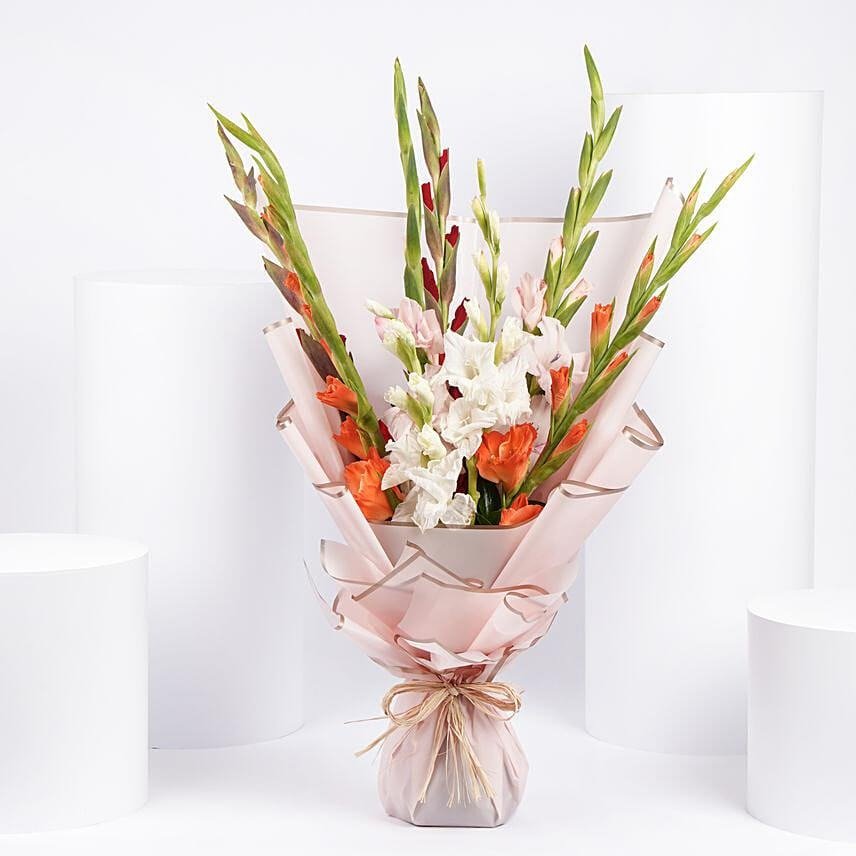
Gifts and celebrations
Choose gladiolus to congratulate someone on an achievement, recognize their determination, or express admiration. Pair it with a short message that explains why you chose the flower.
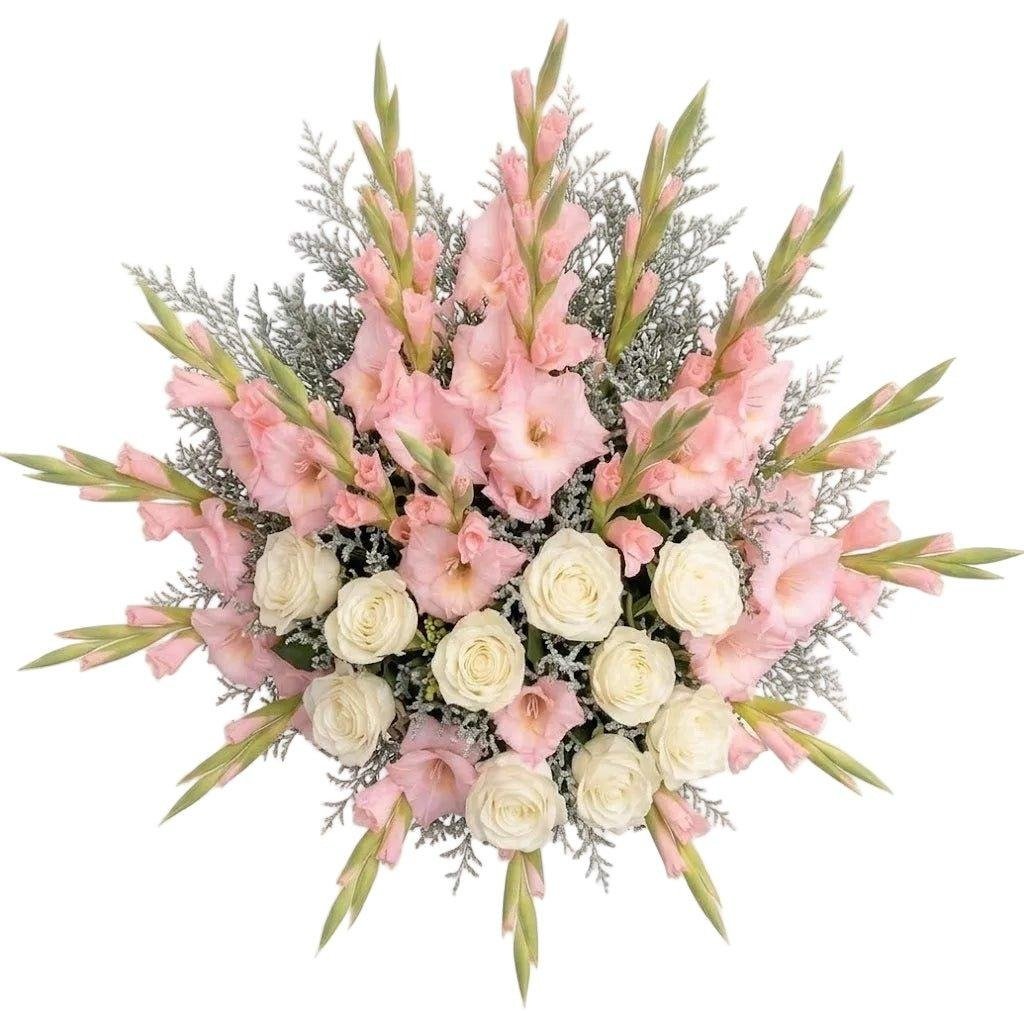
Weddings and anniversaries
Use gladiolus to communicate commitment, mutual respect, and strength. Its vertical form works particularly well in tall arrangements and statement floral displays.
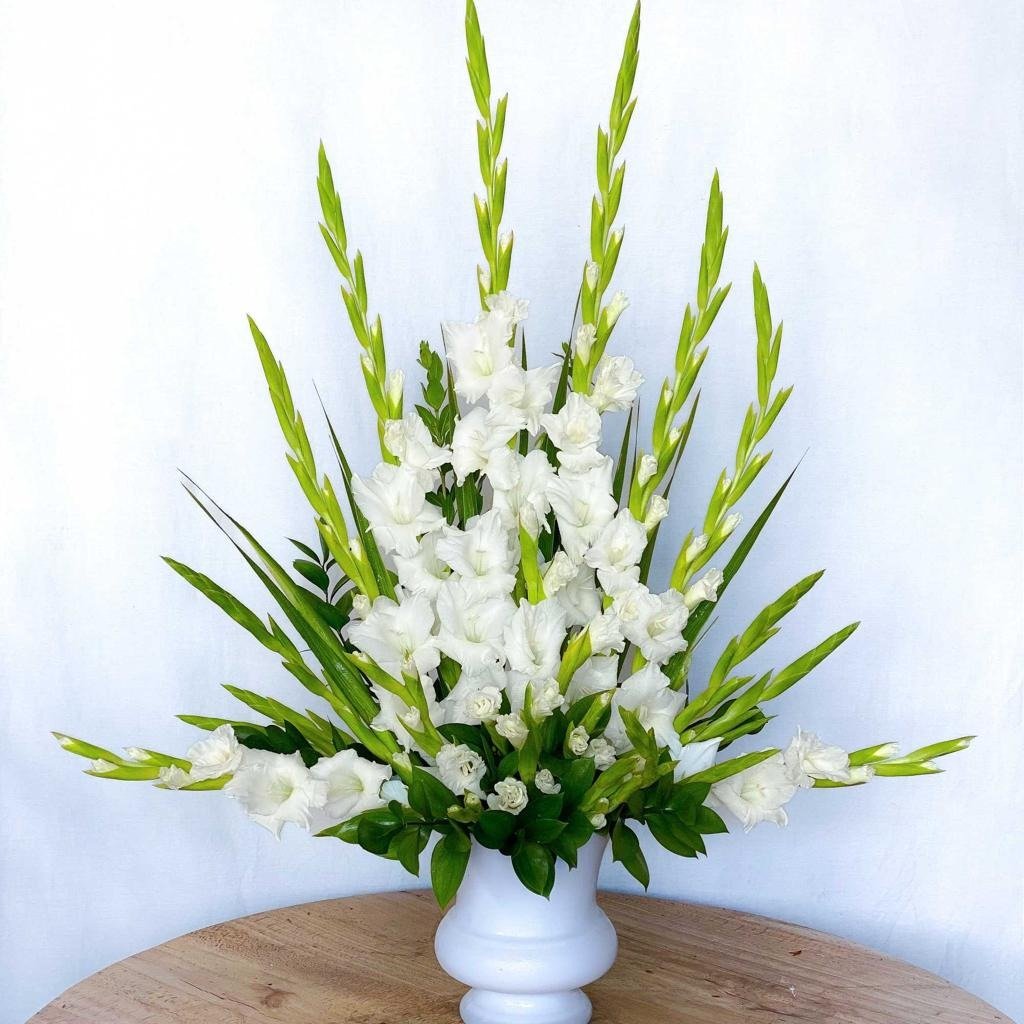
Memorials and remembrance
Gladiolus can express dignity, respect, and lasting appreciation for someone who has died. Check local and family customs when selecting flowers for a funeral.
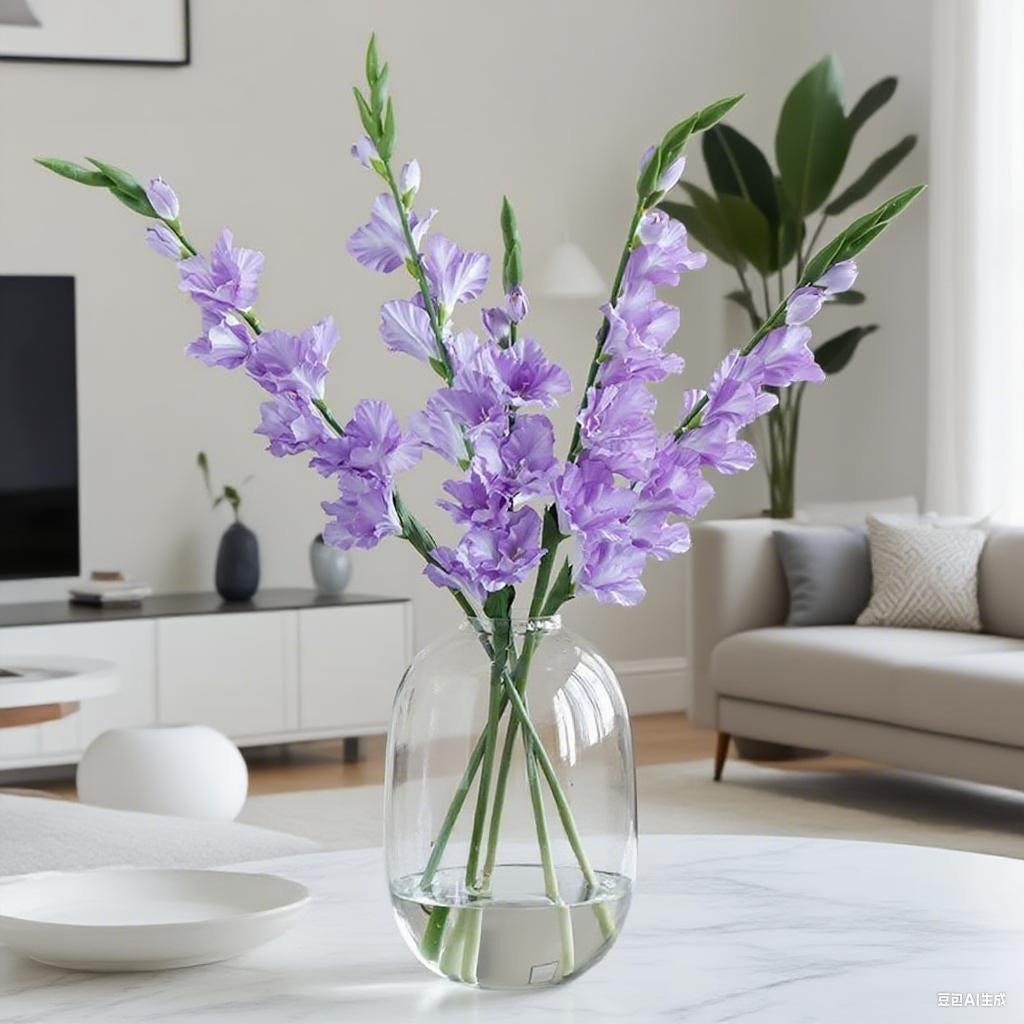
Branding and design
A gladiolus illustration can suggest resilience, confidence, or integrity in a visual identity. Designers should test whether the sword-like shape and chosen colors communicate the intended message to the target audience.
Gladiolus as an August birth flower
Gladiolus is widely recognized as one of August’s birth flowers. This makes it a thoughtful birthday gift for someone born in that month, particularly if the gift celebrates their determination, individuality, or accomplishments.
The Old Farmer’s Almanac
+1
Birth-flower traditions are symbolic conventions, not scientific personality profiles. Being born in August does not mean that someone necessarily possesses the characteristics associated with gladiolus.
Practical applications for designers and educators
Gladiolus can also help teach broader concepts about symbolism.
- In education: Students can explore how a plant’s physical form influences its symbolic interpretation.
- In art: Artists can experiment with height, color, contrast, and visual emphasis.
- In branding: Designers can examine whether a symbol communicates strength and dignity to a specific audience.
- In writing: Authors can use flowers as contextual clues about a character’s feelings or values.
- In cultural studies: Researchers can compare historical flower dictionaries with contemporary gifting practices.
These uses show that symbolism is not limited to superstition or decorative meaning. It can be studied as a form of communication shaped by people and their surroundings.
10. Did You Know? Fascinating Facts About Gladiolus

Its name means “little sword.”
The name Gladiolus comes from Latin gladius, meaning sword. This is one of the clearest historical foundations for its associations with courage and strength.
The Old Farmer’s Almanac
+1

Its blossoms open progressively.
Gladiolus flowers generally open from the lower part of the spike upward. This distinctive growth pattern can inspire personal interpretations involving progress, development, and unfolding opportunities.

It has a place in fine art.
Van Gogh painted gladioli in 1886, showing how the flower’s color and dramatic structure can become a compelling subject for artistic expression.
cba-abc.ca
+1
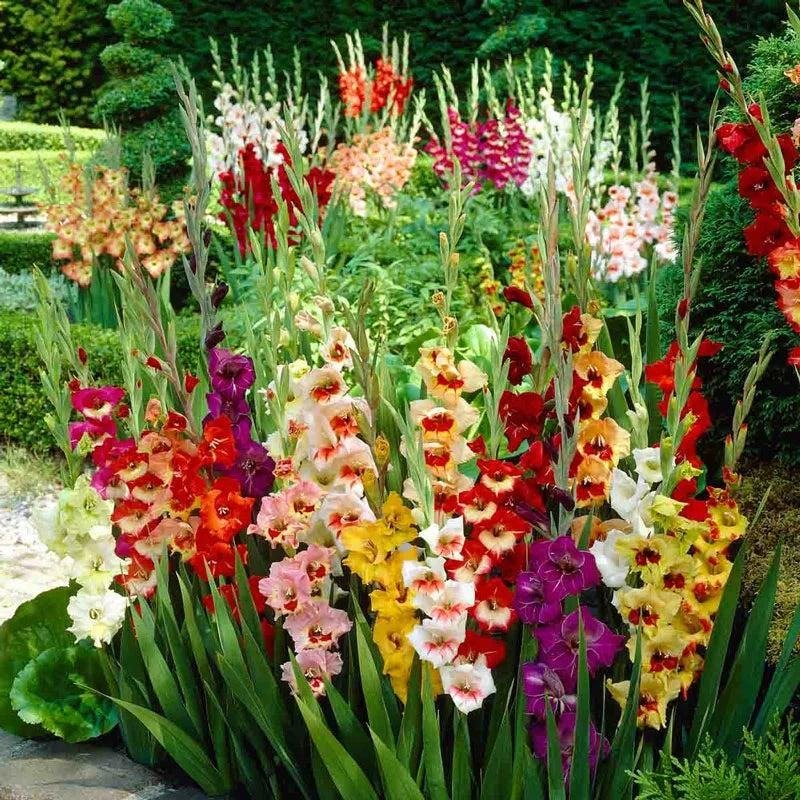
It is an August birth flower.
Gladiolus is commonly listed among August’s birth flowers, making it a popular option for birthday gifts and floral arrangements celebrating summer birthdays.
The Old Farmer’s Almanac
+1
11. Common Mistakes When Interpreting Gladiolus Symbolism
Even though gladiolus has several recognizable symbolic meanings, it is easy to overinterpret its significance.
Mistake 1: Treating every meaning as an ancient tradition
The flower’s Latin name has a clear etymology, but that does not mean every modern interpretation has ancient origins. Some meanings developed through nineteenth-century flower dictionaries, while others reflect contemporary gifting practices.
Better approach: Identify whether a meaning comes from botanical characteristics, historical records, a specific cultural tradition, or modern interpretation.
Mistake 2: Assuming every color has a universal meaning
Red is often associated with passion, and white with purity or respect, but these associations are not universal. Personal experience and cultural context can change how colors are understood.
Better approach: Consider the recipient, occasion, and local customs before selecting a color.
Mistake 3: Believing the flower predicts future events
Some spiritual or online interpretations assign prophetic messages to flowers. There is no reliable scientific evidence that receiving gladiolus predicts a particular event, relationship outcome, or future success.
Better approach: Treat the flower as a source of reflection or a meaningful gift rather than a guaranteed sign of what will happen.
Mistake 4: Confusing symbolism with personality
Gladiolus is associated with strength and integrity, but a person who receives or prefers this flower does not necessarily possess those traits.
Better approach: Use flower symbolism to express admiration, not to make unsupported assumptions about someone’s character.
12. Myth vs. Fact: Understanding Gladiolus Symbolism
| Claim | What we can reasonably conclude |
| Gladiolus means sword. | Fact: Its botanical name derives from the Latin word for sword. |
| Gladiolus represents strength and integrity. | Traditional symbolism: These meanings are documented in modern accounts of flower language. |
| Roman gladiators definitely wore gladiolus as protective charms. | Unverified claim: Popular retellings exist, but the specific historical practice needs stronger evidence. |
| Red gladiolus always means romantic love. | Overgeneralization: Red often suggests passion, but context changes the message. |
| Gladiolus is a universal religious symbol. | Unsupported generalization: Its spiritual and religious significance varies by context. |
| Gladiolus is associated with August birthdays. | Established contemporary convention: It is widely recognized as an August birth flower. |
The central lesson is that flower symbolism has several layers. Botanical facts, documented cultural traditions, and personal interpretations can all contribute to meaning, but they should not be treated as interchangeable forms of evidence.
13. Frequently Asked Questions About Gladiolus Symbolism
1. What does gladiolus symbolize spiritually?
Gladiolus is often interpreted spiritually as a symbol of inner strength, resilience, integrity, and personal growth. Its upright stems can serve as a metaphor for remaining true to your values during difficult periods. These meanings are personal or cultural interpretations rather than universal religious teachings.
2. Does gladiolus symbolize love?
Yes. Gladiolus is traditionally associated with infatuation, passionate affection, sincerity, and devotion. Its sword-like imagery has inspired the romantic idea of a heart being pierced by love. Red gladiolus can emphasize passion, while pink varieties are often chosen to express tenderness and appreciation.
3. What does a gladiolus flower mean when someone gives it to you?
A gladiolus bouquet may communicate admiration, respect, encouragement, romantic interest, or congratulations. The intended meaning depends on your relationship with the giver, the flower’s color, and the occasion. If the gift’s meaning is important to you, a direct conversation is more reliable than interpreting the flowers alone.
4. What does a red gladiolus symbolize?
Red gladiolus commonly represents passion, romantic love, courage, and strong emotional commitment. It can be suitable for anniversaries, romantic gestures, or celebrations of achievement. The color does not automatically establish romantic intent; the surrounding context matters.
5. Is gladiolus a flower of strength and courage?
Yes. Strength and courage are among its most recognizable symbolic associations. The name comes from the Latin word for sword, and the plant’s pointed leaves reinforce that visual connection. Its traditional flower-language meanings also include strength of character, integrity, and sincerity.
The Old Farmer’s Almanac
+1
6. Why is gladiolus associated with August and the 40th wedding anniversary?
Gladiolus is widely recognized as an August birth flower and is also associated with the 40th wedding anniversary in modern flower-gifting conventions. Its meanings of strength, devotion, and lasting respect make it a fitting choice for both occasions. These are established celebratory traditions, not botanical rules.
The Old Farmer’s Almanac
+2
14. Key Takeaways: The Meaning of Gladiolus
- Strength and resilience: Gladiolus represents the ability to remain determined through challenges.
- Honor and integrity: Its traditional flower-language associations include strong character and sincerity.
- Love and devotion: It can express passionate attraction, admiration, and enduring affection.
- Color symbolism: Red, pink, white, yellow, purple, and orange can add different emotional tones to a bouquet.
- Spiritual reflection: The flower can serve as a personal reminder of courage, growth, and commitment to one’s values.
- Cultural context: Its meanings have developed through botanical imagery, historical flower traditions, and contemporary floral practices.
- Practical value: Gladiolus can be used thoughtfully in gifts, weddings, memorials, art, storytelling, and design.
Conclusion: Why Gladiolus Symbolism Still Matters
Gladiolus symbolism demonstrates how the natural world can become a language for expressing human values and emotions.
Its sword-shaped leaves and tall flower spikes have helped establish associations with courage, strength, dignity, and determination.
Its place in flower language traditions adds further meanings involving love, sincerity, admiration, and remembrance.
Understanding these meanings helps people choose flowers with greater intention.
A red gladiolus bouquet may express passionate affection, a white arrangement may communicate respect, and a colorful display may celebrate achievement or a new beginning. Yet the most meaningful interpretation always considers the person, occasion, and cultural context.
Beyond floral gifting, gladiolus offers a useful example of symbolism in action.
Art, literature, education, branding, and visual communication all rely on shared associations to convey ideas efficiently.
The flower’s meaning is neither completely fixed nor entirely arbitrary; it develops through the interaction of physical form, cultural history, and individual experience.
Ultimately, gladiolus reminds us that strength can coexist with beauty, that affection can be expressed with dignity, and that meaningful gestures often communicate more when they reflect genuine understanding.
Whether you grow the flower, give it to someone special, or simply appreciate its symbolism, gladiolus offers a lasting way to explore courage, character, and the human search for meaning.
15. Semantic SEO and NLP Entities Covered
The following related terms and concepts naturally connect this article with the broader topic of flower symbolism.
| Category | Entities and related keywords |
| Primary keyword | Gladiolus symbolism, gladiolus meaning |
| Botanical entities | Gladiolus, sword lily, sword-shaped leaves, flower spike, ornamental flower |
| Core symbolic meanings | Strength, courage, honor, integrity, sincerity, resilience, determination |
| Emotional meanings | Love, infatuation, passion, devotion, admiration, remembrance |
| Color symbolism | Red gladiolus, pink gladiolus, white gladiolus, yellow gladiolus, purple gladiolus, orange gladiolus |
| Historical concepts | Ancient Rome, Latin gladius, Victorian flower language, floriography |
| Cultural and spiritual concepts | Cultural identity, religious symbolism, spiritual reflection, folklore, personal interpretation |
| Psychology and semiotics | Color psychology, visual perception, semiotics, visual communication, symbolic association |
| Artistic entities | Vincent van Gogh, Vase with Red Gladioli, still-life painting, literary symbolism |
| Occasions and applications | August birth flower, 40th wedding anniversary, weddings, memorials, floral design, gifts |
| Related SEO keywords | Gladiolus flower meaning, spiritual meaning of gladiolus, gladiolus color meanings, gladiolus meaning in love, gladiolus symbolism in different cultures |
These semantic relationships support a comprehensive understanding of the subject by connecting botanical identity, historical context, emotional interpretation, and practical use.
For publication on a symbolism-focused website, the strongest approach is to keep the primary topic clear, distinguish documented history from popular belief, and use related entities only where they genuinely help the reader. No article structure or keyword list can guarantee search rankings, but accurate, useful, well organized content provides a stronger foundation for both traditional search and AI-powered discovery.

Understand color meanings, psychology, and visual symbolism with Charlotte Monroe.
