Introduction: Why Full Moon Symbolism Matters
The full moon has fascinated humanity for thousands of years. Its luminous appearance, changing relationship with the Earth and Sun, and presence in nighttime skies have inspired myths, religious traditions, poetry, art, and spiritual practices across the world.
Full moon symbolism often represents completion, illumination, transformation, intuition, abundance, and the revelation of things that were previously hidden.
However, its meaning is not universal; different cultures and individuals interpret the full moon through their own histories, beliefs, and experiences.
Unlike ordinary daylight, moonlight creates a distinctive atmosphere.
It softens familiar landscapes, casts dramatic shadows, and makes everyday surroundings appear mysterious.
This visual transformation helps explain why the full moon has become such a powerful symbol in storytelling, folklore, psychology, spirituality, and visual communication.
For some people, the full moon represents a time to celebrate achievements and appreciate personal growth.
Others associate it with emotional reflection, spiritual awareness, mystery, or the natural rhythms of life.
In literature and popular culture, it can signal romance, danger, revelation, or supernatural events.
Understanding the symbolism of the full moon involves looking beyond spiritual interpretations. Its importance also connects to astronomy, ancient timekeeping, agriculture, religious calendars, cultural identity, and the human tendency to find meaning in natural phenomena.
What Does the Full Moon Symbolize?
The full moon most commonly symbolizes completion, clarity, illumination, transformation, abundance, intuition, and heightened awareness. Because its visible face appears fully illuminated from Earth, it often represents the culmination of a process, the revelation of hidden truths, or a moment when emotions and experiences become easier to recognize.
These meanings are symbolic interpretations rather than scientific properties of the lunar phase. Their significance depends on cultural traditions, personal beliefs, and the context in which the moon appears.
Core Symbolic Meanings of the Full Moon
| Symbolic meaning | What it represents |
| Completion | Reaching the end of a journey or cycle |
| Illumination | Greater clarity, awareness, and understanding |
| Transformation | Change, growth, and personal development |
| Abundance | Harvest, prosperity, and gratitude |
| Intuition | Inner reflection and attention to feelings |
| Mystery | The unknown, dreams, and the hidden aspects of life |
| Renewal | Preparing for a fresh beginning after completion |
| Emotional awareness | Recognizing feelings and unresolved concerns |
| Connection | Relationships between people, nature, and the cosmos |
These associations frequently overlap. For example, a full moon appearing at the end of a difficult journey might symbolize both completion and transformation. In a harvest celebration, it may evoke gratitude, abundance, and the relationship between human communities and the natural world.
The Historical Origins of Full Moon Symbolism
Full moon symbolism developed through humanity’s close observation of the night sky. Long before modern clocks and calendars, lunar phases helped communities track time, organize seasonal activities, and establish recurring ceremonies.
The full moon was especially noticeable because it provided substantial natural illumination at night. Its predictable appearance made it useful for measuring time and became an important reference point in many societies.
The Moon as an Ancient Calendar
The lunar cycle takes approximately 29.5 days to complete, moving through new, crescent, quarter, gibbous, and full phases before repeating. This visible pattern offered an accessible way to track the passage of time.
Many traditional calendars were based on lunar or lunisolar systems. A lunisolar calendar follows lunar months while adjusting to the solar year so that months remain aligned with the seasons.
The full moon therefore became associated with recurring dates, festivals, religious observances, and seasonal activities.
For agricultural communities, lunar observations existed alongside knowledge of weather, soil, daylight, and seasonal change. Full moon traditions sometimes marked planting or harvesting periods, although the practical importance of particular lunar phases varied between regions.
Ancient Religious and Mythological Associations
Ancient societies frequently incorporated the moon into religious stories and cosmologies.
In ancient Mesopotamia, the moon god Sîn, also known as Nanna in Sumerian tradition, was associated with the lunar cycle and the measurement of time. In ancient Greek religion, Selene personified the moon, while Artemis and Hecate developed other lunar associations in different contexts and periods.
Ancient Egyptian religion also included lunar deities, notably Khonsu, who was connected with the moon and the passage of time.
These examples show that lunar symbolism did not develop from one universal belief. Different communities interpreted the moon through their own religious systems, social structures, and understandings of the cosmos.
The full moon’s visibility and recurring appearance made it a particularly compelling image of cosmic order, divine presence, and cyclical time.
From Ancient Observation to Modern Symbolism
As societies changed, lunar symbolism expanded beyond timekeeping and religious ceremonies.
Poets used moonlight to evoke longing and mystery. Painters incorporated it into scenes of solitude and beauty. Folklore connected the full moon with unusual events, supernatural creatures, and transformations. Modern spirituality added interpretations involving intentions, release, reflection, and personal growth.
Although the imagery has evolved, a recurring theme remains: the full moon provides a visible moment when something appears complete, illuminated, or especially significant.
Spiritual Meaning of the Full Moon
In contemporary spiritual practices, the full moon is commonly associated with completion, heightened awareness, gratitude, release, and reflection. People who follow lunar rituals may use this phase to review their intentions, acknowledge progress, and consider what they want to leave behind.
These practices are meaningful within particular spiritual frameworks, but they should not be confused with scientifically established effects of the moon on human consciousness.
1. Completion and Achievement
The full moon can represent the culmination of a personal journey.
A person who has completed a degree, recovered from a difficult period, or achieved a long-term goal might use the full moon as a symbolic opportunity to recognize that progress.
Its fully illuminated appearance provides a natural metaphor for reaching a milestone.
Practical example: Someone who has spent several months developing healthier habits might write down the changes they have made and identify which routines they want to maintain.
The moon does not cause the achievement. Instead, its symbolism provides a memorable framework for reflection.
2. Releasing What No Longer Serves You
Another common spiritual interpretation associates the full moon with release.
This may involve letting go of outdated expectations, recognizing unhealthy patterns, forgiving oneself, or deciding to stop investing energy in an unproductive goal.
The symbolism draws on the idea that illumination makes recognition possible. Before changing a pattern, a person may first need to acknowledge it.
A full moon reflection might include questions such as:
- What have I learned during this cycle?
- Which habits no longer support my priorities?
- What am I ready to accept or change?
- What progress deserves acknowledgment?
These questions can support thoughtful decision-making without requiring supernatural explanations.
3. Gratitude and Abundance
The full moon is also associated with abundance, particularly in contemporary spiritual interpretations and in traditions connected with harvests.
Abundance can mean material prosperity, but it may also refer to supportive relationships, knowledge, health, creativity, or a sense of belonging.
This interpretation encourages people to recognize what is already present rather than concentrating exclusively on unmet goals.
4. Intuition and Inner Awareness
Because the moon is visible in darkness, it often serves as a metaphor for inner awareness.
In spiritual language, intuition may refer to an individual’s felt sense, accumulated experience, or ability to notice subtle emotional responses.
A full moon meditation can encourage a person to slow down, observe their thoughts, and distinguish immediate reactions from considered judgments.
However, there is no established scientific evidence that a full moon universally increases intuition or grants special access to hidden knowledge.
5. Transformation and Spiritual Growth
The moon changes appearance throughout its cycle, making it a useful symbol of transformation.
The full moon may represent a point of recognition within that ongoing process: a time to acknowledge how experiences have shaped one’s understanding.
Spiritual growth, in this sense, does not require a dramatic revelation. It can involve developing patience, accepting uncertainty, or learning to respond differently to familiar challenges.
Full Moon Symbolism Across Different Cultures and Traditions
The full moon carries different meanings across cultures. Some traditions emphasize religious observance, others associate it with seasonal abundance, and still others connect it with mythology, poetry, or spiritual contemplation.
It is important to distinguish the meaning of the moon generally from the particular significance of the full moon in a specific tradition.
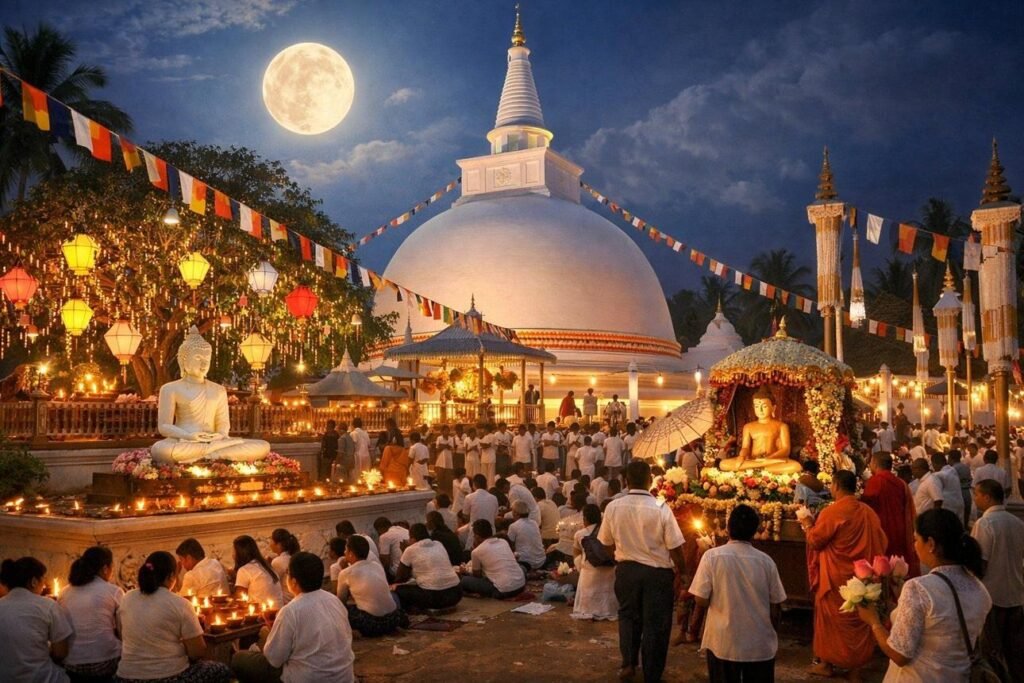
Buddhist traditions: Vesak
Vesak is observed in many Buddhist communities on a date determined by local calendars, commonly around a full moon. It commemorates events associated with the Buddha’s life, often including his birth, enlightenment, and passing away, although observances vary. The full moon can therefore be associated with reflection, generosity, wisdom, and the Buddhist path.
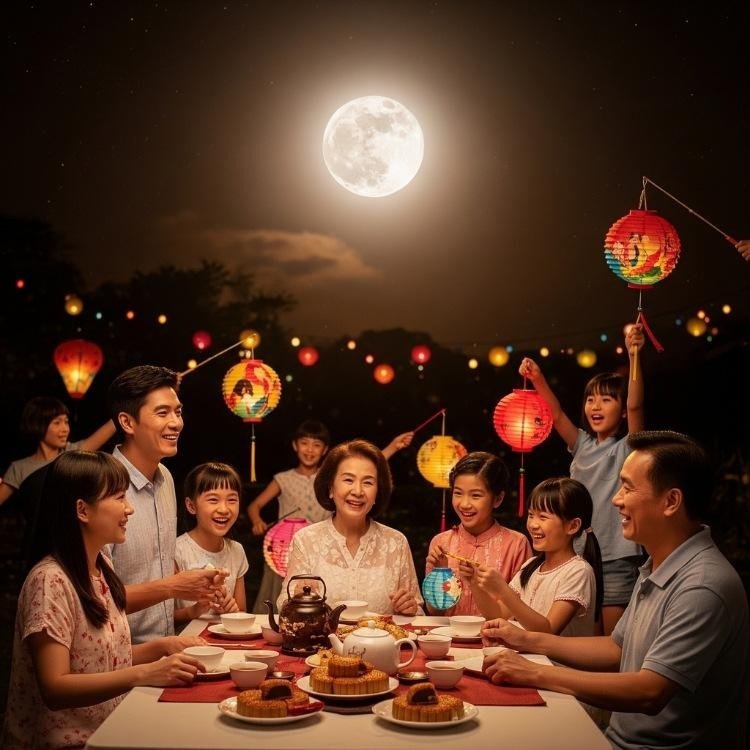
Chinese traditions: The Mid-Autumn Festival
The Mid-Autumn Festival is associated with the harvest season, family reunion, mooncakes, and appreciation of the moon. The round moon is often understood as an image of completeness and togetherness. Its cultural significance is expressed through family gatherings, poetry, food, and legends such as the story of Chang’e, whose versions differ.
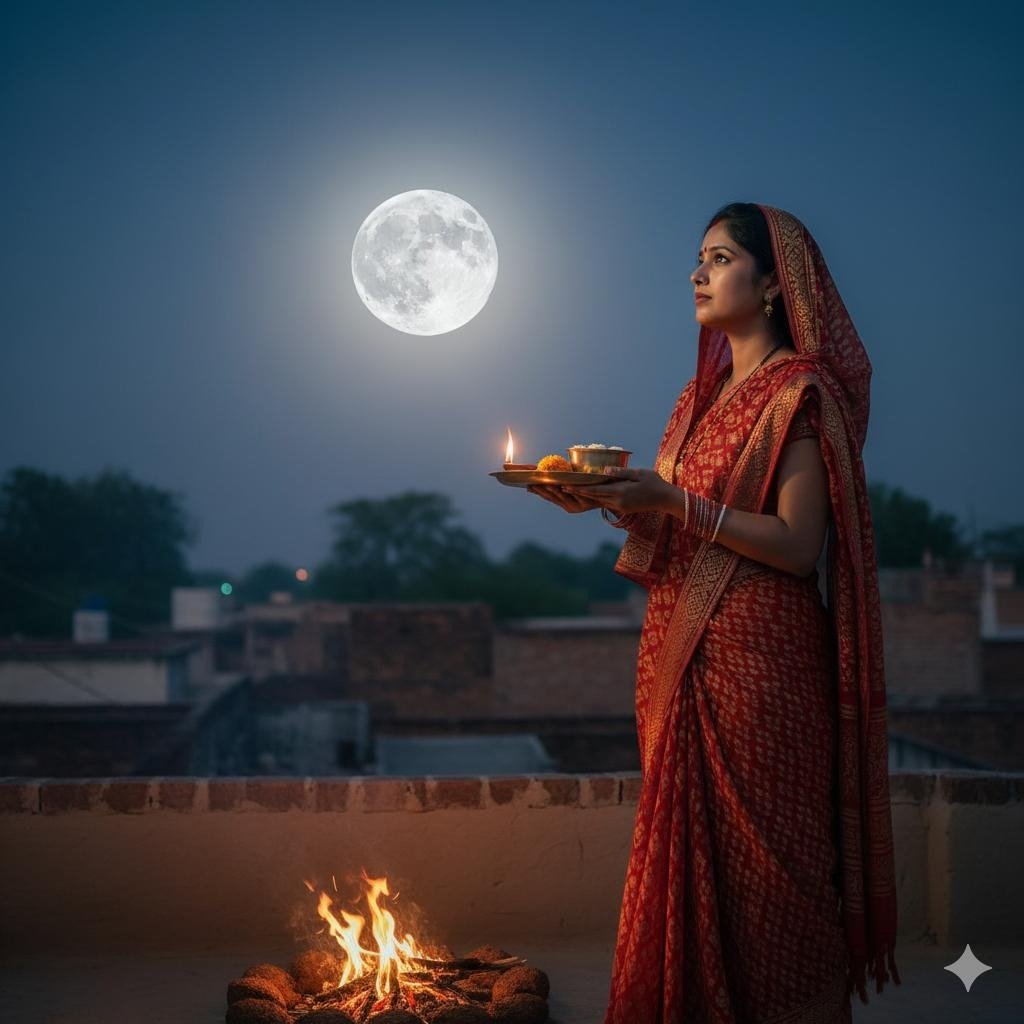
Hindu traditions: Purnima
Purnima refers to the full-moon day in the Hindu lunar calendar. Different Purnima observances have distinct religious meanings, including fasting, prayer, charity, and pilgrimage. Sharad Purnima is particularly associated with autumnal moonlight in some regional traditions. It would be inaccurate to assign one spiritual meaning to every full-moon observance across Hindu communities.
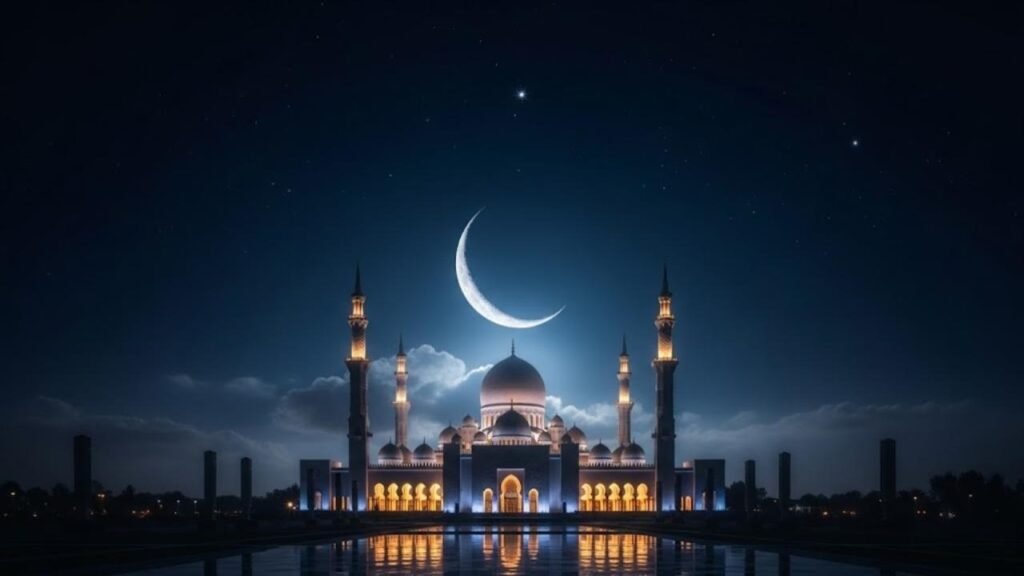
Islamic traditions: Lunar months
The Islamic calendar is lunar, with months beginning according to the crescent-moon system. The full moon occurs during the middle portion of the lunar month, while Ramadan, Eid, and other observances are tied to the lunar calendar and their own religious rules. The full moon itself is not universally treated as a special spiritual event in Islam.
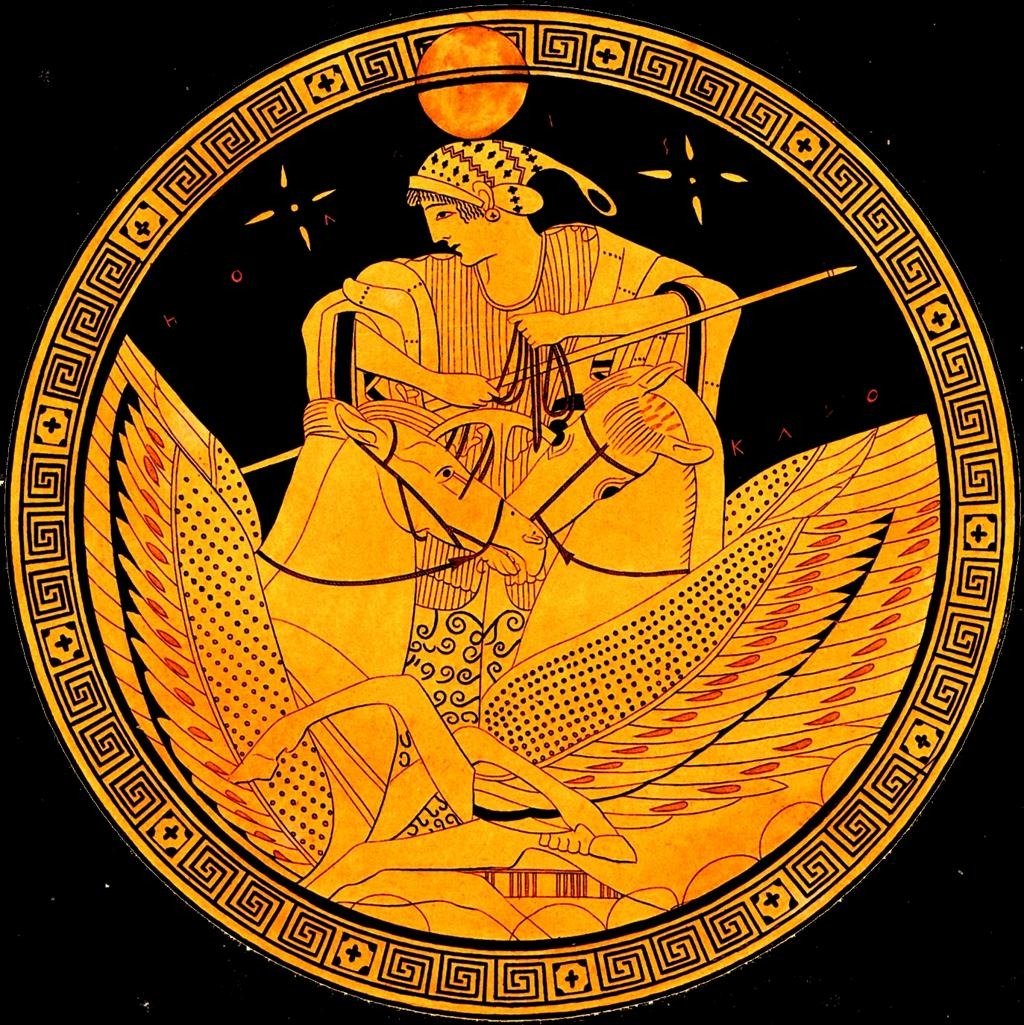
Ancient Greek mythology
Selene personified the moon and was depicted in art and literature as a divine figure traveling across the night sky. Her imagery contributed to associations between the moon, beauty, femininity, night, and celestial power. These associations varied across stories and should not be mistaken for a single Greek interpretation of every full moon.
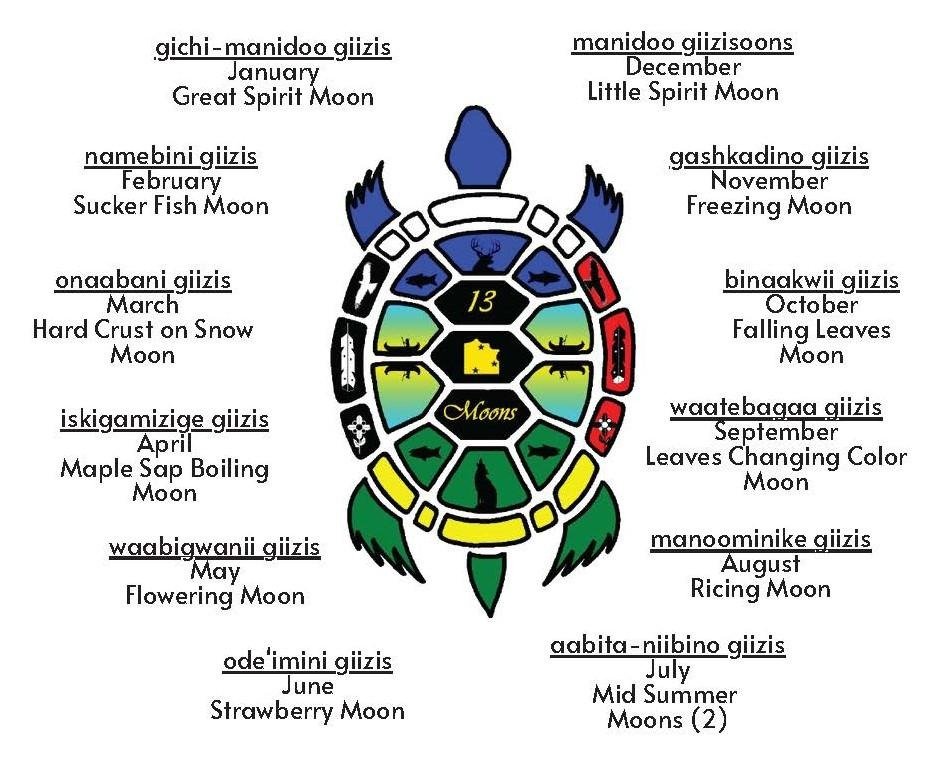
Indigenous traditions
Many Indigenous communities have their own lunar calendars, seasonal knowledge, and teachings associated with particular moons. Names and interpretations may reflect local plants, animals, weather, ceremonies, and community histories. There is no single universal Indigenous system of full moon symbolism; specific meanings should be attributed to the particular nation or tradition that holds them.
Cultural Comparison: Similarities and Differences
| Tradition or context | Common association | Important distinction |
| Buddhist Vesak | Reflection, wisdom, religious remembrance | Dates and observances vary |
| Chinese Mid-Autumn Festival | Reunion, harvest, completeness | The festival has specific historical and cultural roots |
| Hindu Purnima observances | Worship, devotion, religious practice | Each observance has its own significance |
| Islamic lunar calendar | Timekeeping and religious dates | The crescent marks the beginning of lunar months |
| Greek mythology | Divine imagery and celestial beauty | Mythological roles differ among lunar figures |
| Indigenous lunar traditions | Seasonal knowledge and community relationships | Meanings differ among distinct peoples |
The key lesson is that similar natural imagery can develop different meanings. A round, luminous moon may evoke unity in one setting and religious remembrance in another. Understanding the context is essential to interpreting the symbol accurately.
Psychological Meaning of the Full Moon
Psychologically, the full moon can function as a powerful image of awareness, emotional complexity, uncertainty, and personal reflection.
Its meaning often emerges through perception, memory, cultural learning, and individual associations rather than through a single universal psychological response.
Why the Full Moon Feels So Powerful
The full moon is visually distinctive. It is brighter than most nighttime objects, appears against a dark background, and can transform the appearance of familiar landscapes.
Human perception is strongly influenced by contrast, attention, context, and expectation. An unusual or striking scene can therefore feel emotionally significant even when the underlying event is natural and predictable.
The moon also invites pattern recognition. People naturally connect visible events with stories, memories, and explanations. A person who associates a full moon with a meaningful childhood memory may experience it differently from someone who connects it with a frightening story.
The Full Moon and Emotional Awareness
Popular culture often claims that full moons cause intense emotions, unusual behavior, or dramatic changes in mood.
Scientific research has investigated possible relationships between lunar phases and sleep or human behavior, but findings are mixed and do not establish a reliable, universal effect on emotions or mental health.
It is useful to separate three ideas:
- Symbolic meaning: The full moon represents emotional intensity in a poem, ritual, or personal interpretation.
- Personal experience: Someone feels reflective or emotional while watching the moon.
- Scientific causation: The claim that the lunar phase reliably produces a particular psychological response.
The first two can be meaningful without proving the third.
The Full Moon as a Symbol of the Unconscious
In psychological interpretations of art and literature, nighttime settings frequently represent uncertainty, dreams, hidden desires, or thoughts that are difficult to express openly.
A full moon can illuminate a dark landscape without eliminating its shadows. This makes it an effective metaphor for self-awareness: a person may understand more about a situation while still facing unanswered questions.
The symbol is particularly useful in stories about identity, grief, love, fear, and personal change.
The Full Moon in Spirituality, Astrology, and Modern Rituals
Full moon symbolism appears in many contemporary spiritual practices, including meditation, journaling, astrology, and intention-setting rituals.
These practices can provide structure for reflection, but their claims should be evaluated according to their nature. A ritual may be personally meaningful without having a demonstrated supernatural effect.
Full Moon Meaning in Astrology
In astrology, a full moon occurs when the Sun and Moon occupy opposite positions in the zodiac. Astrological interpretations often associate this phase with culmination, revelation, emotional awareness, and the resolution of themes that developed earlier in a lunar cycle.
The zodiac signs involved are used to develop more specific interpretations within astrological systems.
For example, an astrologer might interpret a full moon as an invitation to examine tensions between independence and partnership or between ambition and rest. Such readings are interpretive traditions, not scientifically validated methods for predicting an individual’s personality or future.
Full Moon Rituals and Their Practical Value
Some people use full moon rituals as a way to organize reflection and mark transitions.
A simple ritual may include:
- Choosing a quiet place to think.
- Reviewing recent experiences and accomplishments.
- Writing down habits or expectations that need reconsideration.
- Expressing gratitude for meaningful relationships or opportunities.
- Selecting one realistic action for the coming weeks.
The value of this activity comes from the reflection, intention, and follow-through involved, rather than from a proven ability of moonlight to change external events.
Expert Tip: If you use lunar phases as a personal planning tool, connect each reflection to a specific action. Instead of writing “I want more balance,” identify one boundary, routine, or commitment you can realistically change.
Full Moon Symbolism in Art, Literature, and Storytelling
Artists and writers use the full moon because it can communicate atmosphere and meaning without lengthy explanation. A single moonlit scene can suggest romance, danger, solitude, spiritual wonder, or an approaching revelation.
Its interpretation depends on the surrounding imagery, narrative, and cultural expectations.
The Full Moon as a Literary Symbol
In literature, a full moon can perform several symbolic functions.
Romance and longing: Moonlight creates an intimate setting for encounters, separation, and reflection. Its distance can also symbolize the gap between desire and reality.
Mystery and suspense: The moon illuminates a scene while leaving parts of it in shadow. This visual contrast supports stories involving secrets, uncertainty, and incomplete knowledge.
Transformation: Folklore and fantasy frequently use the full moon to mark a dramatic change, including supernatural transformations. The moon functions as a narrative signal rather than proof that such events occur in reality.
Time and inevitability: Because lunar phases repeat, the moon can represent cycles, the passage of time, and the return of unresolved experiences.
Beauty and impermanence: The full moon appears complete but continues moving through a changing cycle. This contrast can evoke the fleeting nature of beauty, happiness, or success.
The Full Moon in Visual Art
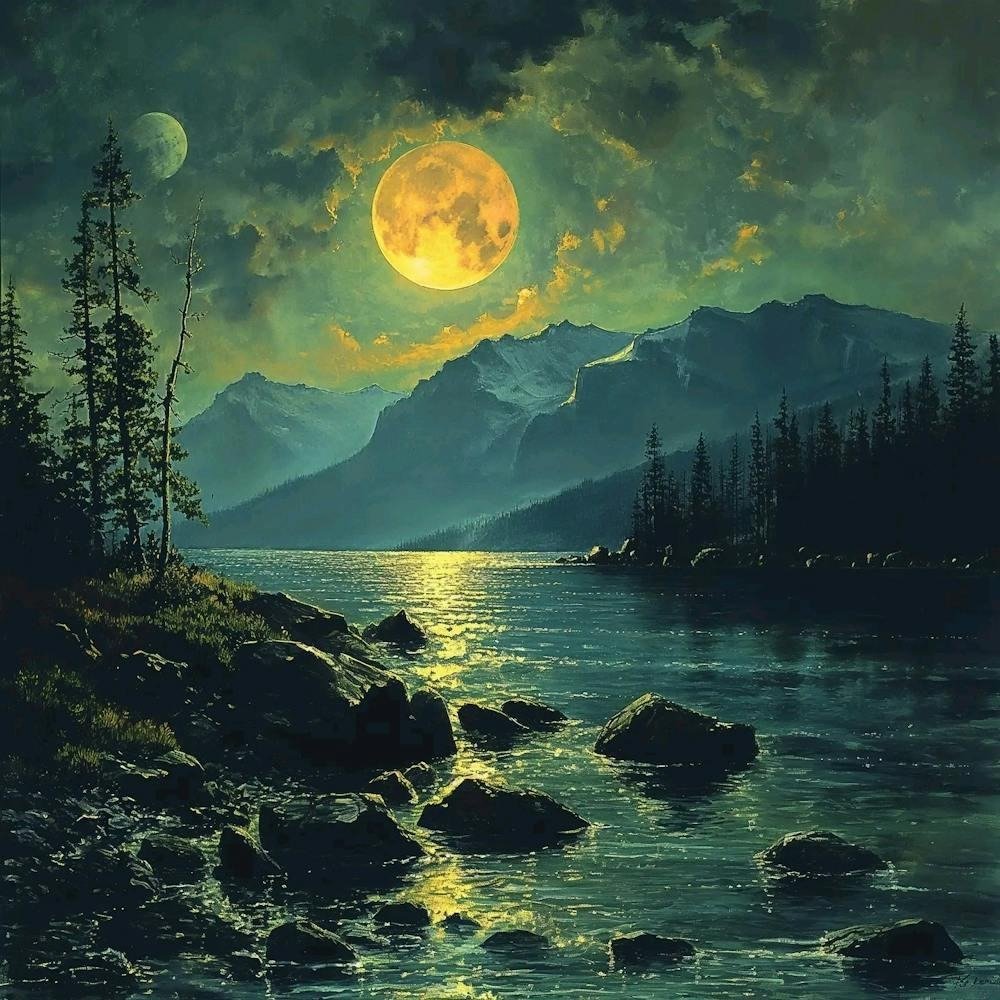
9
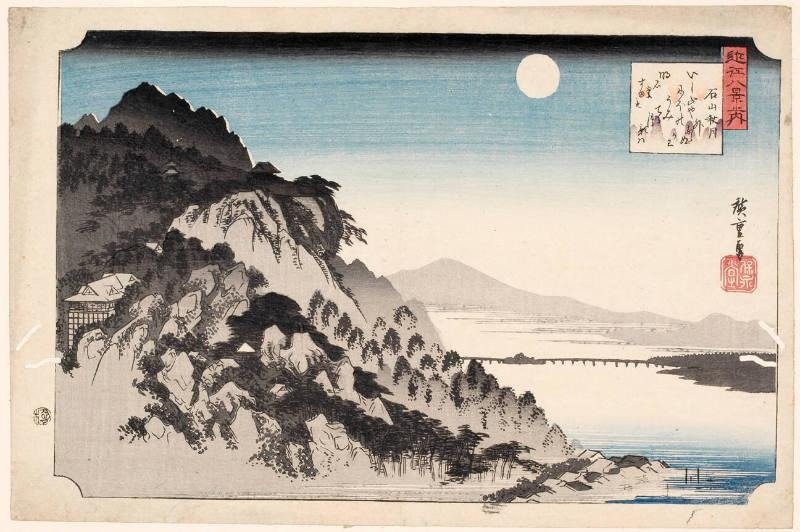
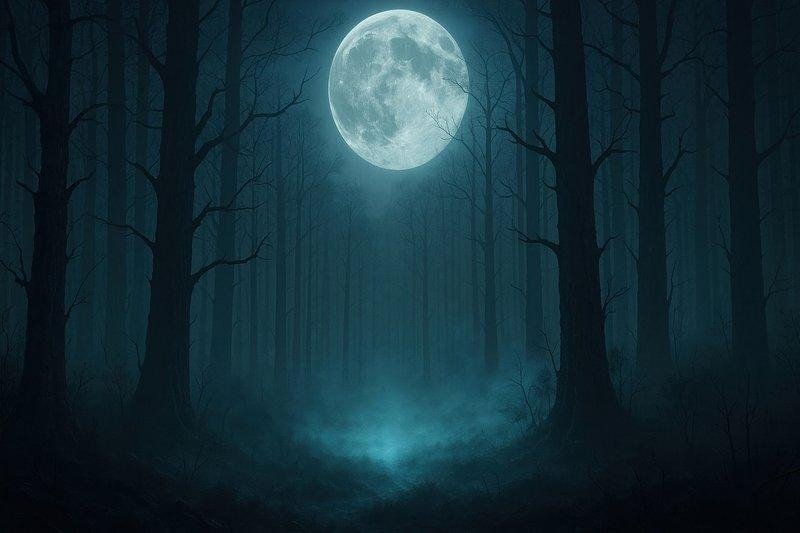
In visual art, the full moon can serve as a focal point, a source of light, or an organizing element within a composition.
Artists may use a bright moon against dark surroundings to create contrast. A moon reflected in water can suggest calm, distance, or introspection, while a moon behind clouds can create uncertainty and tension.
In traditional Japanese art and poetry, the moon has long been associated with seasonal observation, beauty, contemplation, and the poignancy of passing time. The exact interpretation depends on the artwork and the artistic tradition.
In cinema and photography, moonlight is often carefully staged or enhanced to produce a particular atmosphere. The resulting image may communicate loneliness, danger, wonder, or romance even when it does not reproduce the exact appearance of natural moonlight.
Semiotics: How the Full Moon Communicates Meaning
Semiotics is the study of signs and how they produce meaning.
From a semiotic perspective, the full moon has both a physical presence and a learned symbolic significance. Viewers recognize it as a celestial object, but they may also associate it with romance, spirituality, mystery, or transformation.
These meanings are shaped by context.
A full moon over a peaceful lake may suggest serenity. The same moon over an abandoned building may suggest danger. A moon in a religious painting may communicate a tradition-specific meaning that differs from its role in a horror film.
This flexibility makes the full moon a particularly effective visual sign.
Historical Relevance: The Full Moon and Human Timekeeping
The full moon’s historical importance extends beyond mythology and spirituality.
Because lunar phases are visible and repeat regularly, they helped people track time before mechanical clocks became widely available. Lunar calendars remain important in religious and cultural life today.
The moon has also influenced the organization of festivals and community activities.
Astronomy and the Meaning of a Full Moon
Astronomically, a full moon occurs when the Moon is opposite the Sun in the sky from Earth’s perspective, so the lunar hemisphere facing Earth appears almost fully illuminated.
The Moon does not generate its own visible light; it reflects sunlight.
A full moon generally rises near sunset and sets near sunrise, although the precise timing varies with location and the date. It may appear orange or reddish near the horizon because Earth’s atmosphere scatters shorter wavelengths of light more strongly along the longer atmospheric path.
These natural properties contribute to the moon’s visual power without requiring supernatural explanations.
Does the Full Moon Affect the Earth?
The Moon’s gravity contributes to ocean tides, together with the Sun’s gravitational influence and local geographic conditions.
Around new and full moons, the Sun, Earth, and Moon are approximately aligned, producing spring tides, which generally have a greater tidal range than neap tides. Local tide patterns depend on factors such as coastline shape, ocean depth, and basin geometry.
This physical relationship provides a useful example of how the moon can have real environmental effects while its spiritual or psychological interpretations remain a separate question.
Full Moon Symbolism in Modern Life, Design, and Branding
The full moon remains a recognizable symbol in digital communication, marketing, fashion, education, interior design, and popular culture.
Its visual simplicity makes it useful across many media. Even a small circular icon can evoke nighttime, cycles, mystery, or celestial themes.
Branding and Consumer Behavior
Brands may use moon imagery to communicate:
- Calm and relaxation in wellness or sleep related products.
- Mystery and imagination in entertainment and fantasy.
- Natural cycles in gardening and seasonal products.
- Elegance and atmosphere in jewelry, fashion, and home décor.
- Reflection and transformation in journals, personal development resources, and spiritual products.
These associations are not guaranteed responses. Brand meaning depends on the design, audience, cultural context, and surrounding messaging.
A full moon used by a science museum, for example, may communicate astronomy and discovery, while a similar image used by a fantasy publisher may suggest magic and mystery.
Full Moon Imagery in Digital Communication
Moon symbols and illustrations appear in social media posts, messaging, websites, and digital artwork.
Creators may use the full moon to express awe, romantic longing, solitude, or a sense of change. Lunar imagery can also help establish a recognizable visual identity for a project focused on nature, spirituality, astronomy, or storytelling.
When using lunar symbols, creators should consider whether their intended meaning is clear to the audience. A symbol that feels peaceful in one cultural setting may have religious, folkloric, or supernatural associations in another.
Education and Science Communication
The full moon is also useful in education because it connects several fields.
Teachers can use lunar phases to explain orbital motion, reflected sunlight, calendars, and observation. Literature instructors can examine how moon imagery contributes to atmosphere and theme. Art educators can explore contrast, composition, and visual symbolism.
These connections demonstrate that a single natural object can support learning across scientific, historical, cultural, and creative disciplines.
Did You Know? Facts About the Full Moon
- The lunar cycle lasts about 29.5 days. The interval between successive full moons is approximately 29.53 days.
- A full moon does not occur only once in a calendar month. Occasionally, a calendar month contains two full moons because lunar months are shorter than most calendar months.
- The moon’s apparent size can be misleading. A moon near the horizon often looks unusually large, an effect commonly called the Moon illusion. Its exact explanation remains debated, but the moon is not physically much larger simply because it appears near the horizon.
- The moon’s color can change with atmospheric conditions. It can appear yellow, orange, or reddish when low in the sky.
- A full moon is not always perfectly full from every viewing position. The precise geometry determines how much of the illuminated lunar hemisphere is visible, and the exact full phase is a moment in time.
These facts highlight the distinction between what astronomy can establish and what people interpret symbolically.
Common Mistakes About Full Moon Symbolism
Understanding lunar symbolism requires avoiding several common misconceptions.
Mistake 1: Assuming Every Culture Interprets the Full Moon the Same Way
There is no single universal interpretation. Meanings vary across religious traditions, regional histories, artistic practices, and individual experiences.
Mistake 2: Treating Spiritual Beliefs as Scientific Facts
A belief that the full moon symbolizes emotional release is different from a claim that it reliably causes emotional changes. These statements require different kinds of evidence.
Mistake 3: Confusing the Full Moon With the New Moon
In contemporary spiritual practices, the full moon is often associated with completion and reflection, while the new moon is commonly associated with beginnings and intention-setting. These are interpretive conventions, not universal rules.
Mistake 4: Assuming Full Moon Rituals Guarantee Results
Rituals can provide structure and personal meaning, but there is no established evidence that a full moon ritual independently guarantees success, wealth, love, or healing.
Mistake 5: Ignoring the Context of an Image
A full moon in a romantic painting may communicate longing, while one in a horror story may signal danger. The surrounding visual and narrative elements shape its meaning.
Myth vs. Fact: Understanding the Full Moon
| Myth or assumption | More accurate explanation |
| The full moon always causes unusual behavior | Research does not establish a universal, reliable effect on human behavior |
| Every full moon has a fixed spiritual message | Interpretations depend on belief systems and personal context |
| Moonlight produces its own light | The Moon reflects sunlight |
| The full moon means only positive things | It can symbolize beauty, danger, completion, uncertainty, or transformation |
| Lunar rituals guarantee life changes | Rituals may support reflection, but guaranteed supernatural results are unproven |
| All Indigenous communities share the same lunar beliefs | Lunar traditions are diverse and specific to particular peoples and places |
A balanced understanding makes room for symbolic meaning without confusing interpretation with evidence.
Practical Applications: How to Use Full Moon Symbolism
Full moon symbolism can be useful whenever people need a meaningful image for change, completion, reflection, or the passage of time.
Personal Reflection and Journaling
Use the full moon as a recurring reminder to review goals, recognize progress, and identify priorities. The lunar cycle can offer a memorable structure for personal reflection without requiring a belief in astrology.
Creative Writing
Writers can use the full moon to establish atmosphere, signal a turning point, or reveal a character’s emotional state. Its meaning becomes more effective when it connects to the story rather than appearing as decoration.
Art and Graphic Design
Designers can use moonlight, circles, shadows, and contrast to communicate calm, mystery, or transformation. The surrounding composition should reinforce the intended message.
Branding and Marketing
Businesses can use lunar imagery when it aligns with their products and audience. A nature-focused brand might emphasize cycles and seasonality, while an entertainment brand might emphasize suspense and imagination.
Teaching and Cultural Education
The full moon can introduce discussions about astronomy, religious calendars, mythology, folklore, and visual symbolism. Comparing different traditions helps students understand that cultural meanings are learned and historically situated.
Expert Tip: Whenever you interpret a full moon image, ask three questions: What does the moon physically represent in the scene? What cultural associations might the audience recognize? What meaning does the surrounding context add? This approach produces more thoughtful interpretations than relying on a generic symbolism list.
Key Insights: What the Full Moon Ultimately Represents
Full moon symbolism is powerful because it connects a visible natural event with human ideas about change, knowledge, emotion, time, and belonging.
Its most common interpretations include:
- Completion: A process has reached a meaningful stage.
- Illumination: Something becomes more visible or understandable.
- Transformation: Experiences create opportunities for change.
- Abundance: People recognize harvests, achievements, or sources of gratitude.
- Intuition: The moon becomes a metaphor for introspection.
- Mystery: Darkness and light coexist, leaving room for uncertainty.
- Cultural connection: Lunar observances reinforce shared traditions and collective memory.
These meanings are not interchangeable, and none applies universally. The full moon’s significance depends on how it is used and understood.
Conclusion: Why Full Moon Symbolism Continues to Matter
Full moon symbolism has endured because the Moon offers a recurring, visually striking reminder of natural cycles.
Its illuminated appearance has inspired ideas about completion, clarity, abundance, mystery, and transformation across many cultural and creative contexts.
Historically, lunar observation helped communities track time and organize religious and seasonal activities.
In mythology and literature, the full moon became an image of divine presence, romance, uncertainty, and change.
In contemporary spirituality, it often serves as a prompt for gratitude, reflection, and the release of outdated habits.
Its modern applications extend to visual communication, branding, digital media, education, art, and personal expression.
Yet the full moon does not have one fixed meaning, and symbolic interpretations should remain distinct from scientific claims about its effects.
Ultimately, understanding full moon symbolism means recognizing both the natural phenomenon and the human stories attached to it.
Whether viewed through astronomy, cultural history, psychology, or creative expression, the full moon continues to offer a rich way to explore how people find meaning in the world around them.
Frequently Asked Questions About Full Moon Symbolism
1. What is the spiritual meaning of a full moon?
The full moon is commonly interpreted in contemporary spirituality as a symbol of completion, illumination, gratitude, emotional awareness, and transformation. Some people use it to review their intentions, celebrate progress, or reflect on habits they want to change. These interpretations are spiritual or personal beliefs rather than scientifically established effects.
2. Does the full moon symbolize new beginnings or endings?
The full moon is more commonly associated with completion, culmination, and reflection, while the new moon is often associated with beginnings and setting intentions in modern spiritual practices. However, a full moon can also symbolize the beginning of a new stage that follows the completion of an earlier one.
3. What does a full moon symbolize in different cultures?
Meanings vary considerably. The full moon is associated with Buddhist observances such as Vesak, family reunion and harvest imagery during China’s Mid-Autumn Festival, and religious observances on Purnima in Hindu traditions. In other contexts, it plays a role in mythology, poetry, seasonal calendars, and folklore. Each tradition should be understood on its own terms.
4. What does a full moon symbolize in dreams?
In popular dream interpretation, a full moon may symbolize emotional awareness, clarity, intuition, completion, or unresolved feelings. However, dream symbols do not have universally established meanings. A person’s memories, emotions, cultural background, and the details of the dream can influence how they interpret it.
5. Does a full moon affect human emotions?
Scientific research has explored possible associations between lunar phases, sleep, and behavior, but findings are mixed. There is no established evidence that a full moon consistently causes intense emotions or unusual behavior in everyone. Feeling emotional while viewing a full moon can still be a genuine personal experience without demonstrating that the lunar phase caused it.
6. Why is the full moon important in literature and art?
The full moon provides a recognizable visual symbol that can communicate romance, mystery, solitude, beauty, suspense, or transformation. Writers and artists use its brightness against darkness to establish atmosphere and highlight themes. Its exact meaning depends on the cultural setting, composition, and surrounding narrative.
Final Key Takeaways
- Full moon symbolism most often includes completion, illumination, transformation, abundance, and mystery.
- Lunar symbolism developed through ancient timekeeping, seasonal observation, religion, mythology, and folklore.
- Spiritual interpretations are meaningful to many people but should not be confused with scientific evidence.
- Different cultures assign different meanings to full moons and lunar observances.
- In literature, art, branding, and digital communication, context determines how moon imagery is understood.
- Full moon rituals can provide a structured opportunity for reflection without guaranteeing supernatural outcomes.
- Astronomy explains the lunar phase and its physical effects, while symbolism explores the cultural and personal meanings people attach to it.
Semantic Entities, NLP Concepts, LSI Keywords, and Topical Relationships
The following related terms and entities are naturally covered in this article and can help organize a broader symbolism topic cluster.
Primary keyword
Full moon symbolism
Semantic keywords and contextual synonyms
- Full moon meaning
- Spiritual meaning of the full moon
- Symbolic meaning of a full moon
- Full moon spiritual significance
- Full moon energy meaning
- Full moon in mythology
- Full moon in literature
- Full moon cultural significance
- Full moon psychological meaning
- Symbolism of moonlight
Related lunar and astronomical entities
- Lunar cycle
- Lunar phases
- New moon
- Waxing moon
- Waning moon
- Lunar calendar
- Lunisolar calendar
- Moonlight
- Reflected sunlight
- Spring tides
- Earth
- Sun
- Moon illusion
Cultural, religious, and mythological entities
- Vesak
- Purnima
- Sharad Purnima
- Mid-Autumn Festival
- Chang’e
- Selene
- Artemis
- Hecate
- Sîn
- Nanna
- Khonsu
- Lunar observances
- Indigenous lunar calendars
Psychological and symbolic concepts
- Completion
- Illumination
- Transformation
- Intuition
- Emotional awareness
- Abundance
- Reflection
- Mystery
- Personal growth
- Semiotics
- Human perception
- Cultural identity
- Collective memory
- Visual communication
Topical relationships for future content
- Full moon symbolism and spiritual practices
- Full moon symbolism versus new moon symbolism
- Full moon symbolism across world cultures
- Full moon symbolism in mythology and folklore
- Full moon symbolism in poetry and literature
- Lunar calendars and religious observances
- Moon symbolism in visual art and graphic design
- Moon imagery in branding and digital communication
- Lunar phases and astronomy
- Full moon beliefs versus scientific evidence
These relationships can support a coherent editorial cluster connecting lunar symbolism with astronomy, spirituality, cultural history, psychology, mythology, and the broader study of symbols.

Explore mythology, ancient symbols, and historical meanings with Benjamin Foster.
