Lily Flower Symbolism: What Do Lilies Represent?
The lily is one of the most recognizable flowers in the world, admired for its elegant petals, graceful shape, and captivating fragrance.
But the beauty of a lily goes beyond its appearance.
Lily flower symbolism connects this remarkable bloom with purity, love, renewal, devotion, femininity, spirituality, and remembrance.
From wedding bouquets and religious artwork to funeral arrangements and contemporary floral design, lilies communicate emotions that words sometimes struggle to express.
The meaning of a lily depends on its color, cultural background, historical setting, and the occasion on which it appears.
A white lily may represent purity or peace, while a red or pink lily can suggest affection, admiration, or passion.
In some religious traditions, lilies symbolize sacred virtue; in other settings, they offer comfort during grief or express hope for a fresh beginning.
Understanding lily symbolism helps us appreciate why this flower continues to appear in art, literature, mythology, ceremonies, gardens, and everyday gifts.
It also reveals something fascinating about human communication: ordinary natural objects can become powerful symbols when communities attach shared meanings to them.
What Is the Symbolic Meaning of a Lily Flower?
Lily flower symbolism refers to the meanings and associations people attach to lilies, including purity, innocence, love, devotion, renewal, spiritual hope, and remembrance. These interpretations vary according to flower color, cultural traditions, religious beliefs, and personal experience. Lilies can communicate celebration and affection, but they can also express sympathy, peace, and the hope of transformation.
At its heart, the lily represents the relationship between natural beauty and human meaning. Its delicate appearance, upright growth, and recurring presence in important ceremonies have helped make it a meaningful flower across generations.
However, lilies do not have one universal meaning. The symbolism of a particular lily should be understood in context rather than treated as a fixed rule that applies to every culture or individual.
1. The Core Meanings of Lily Flower Symbolism
Lilies are associated with several important human experiences, from falling in love to facing loss. Their symbolism often comes from a combination of appearance, religious tradition, literature, and the role flowers play in social rituals.
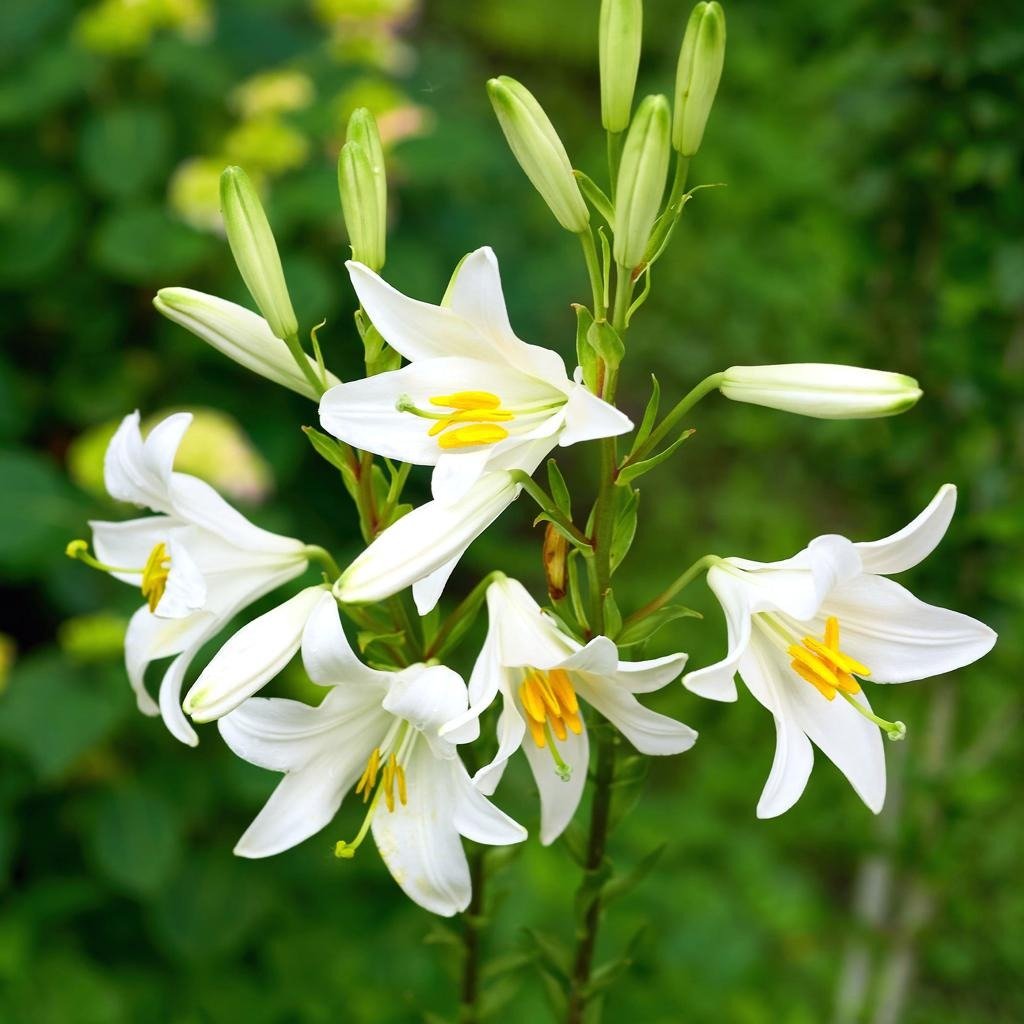
Purity and innocence
White lilies are especially associated with purity, sincerity, and moral innocence. Their pale petals have made them enduring symbols of spiritual cleanliness and unspoiled beauty, particularly in Christian art.
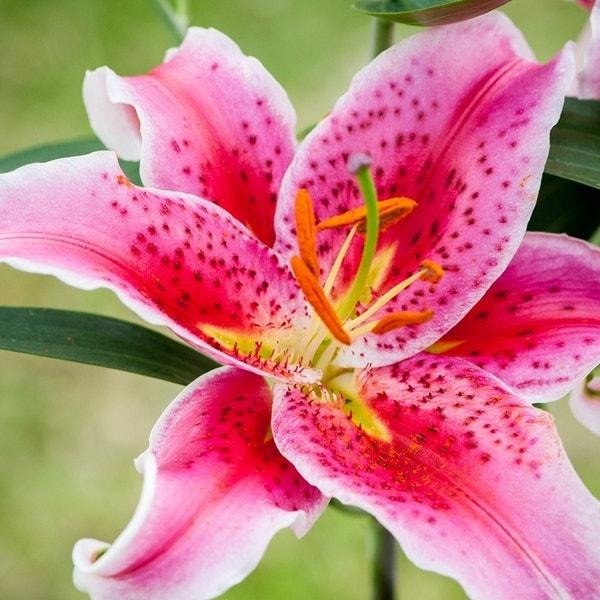
Love and affection
Pink lilies frequently communicate admiration, tenderness, appreciation, and affection. They are suitable for expressing gratitude, celebrating relationships, or recognizing someone important in your life.
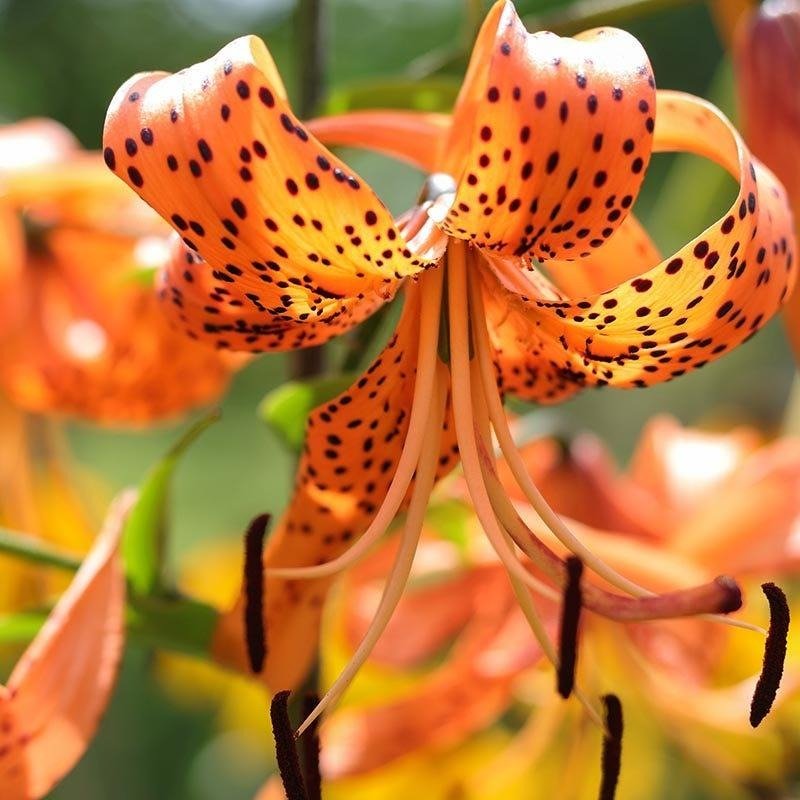
Confidence and vitality
Orange lilies can suggest energy, enthusiasm, courage, and confidence. Their vivid color creates a lively impression, making them popular in expressive floral arrangements.
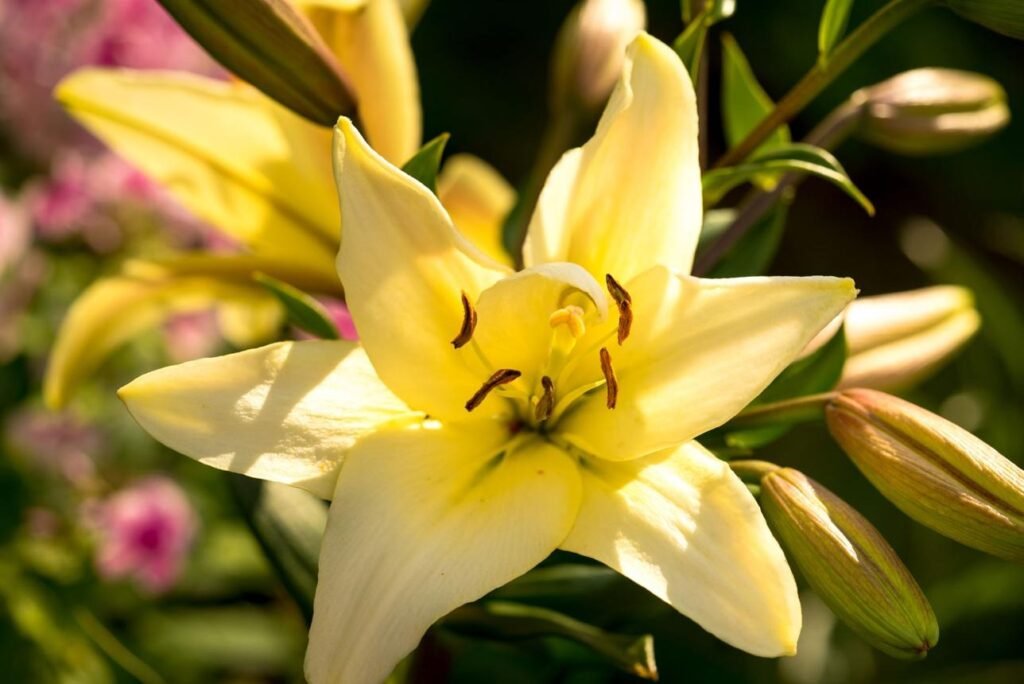
Joy and friendship
Yellow lilies can convey cheerfulness, warmth, optimism, and appreciation. Their bright appearance makes them a natural choice for celebrations and friendly gestures, although the meaning depends on local customs and personal associations.
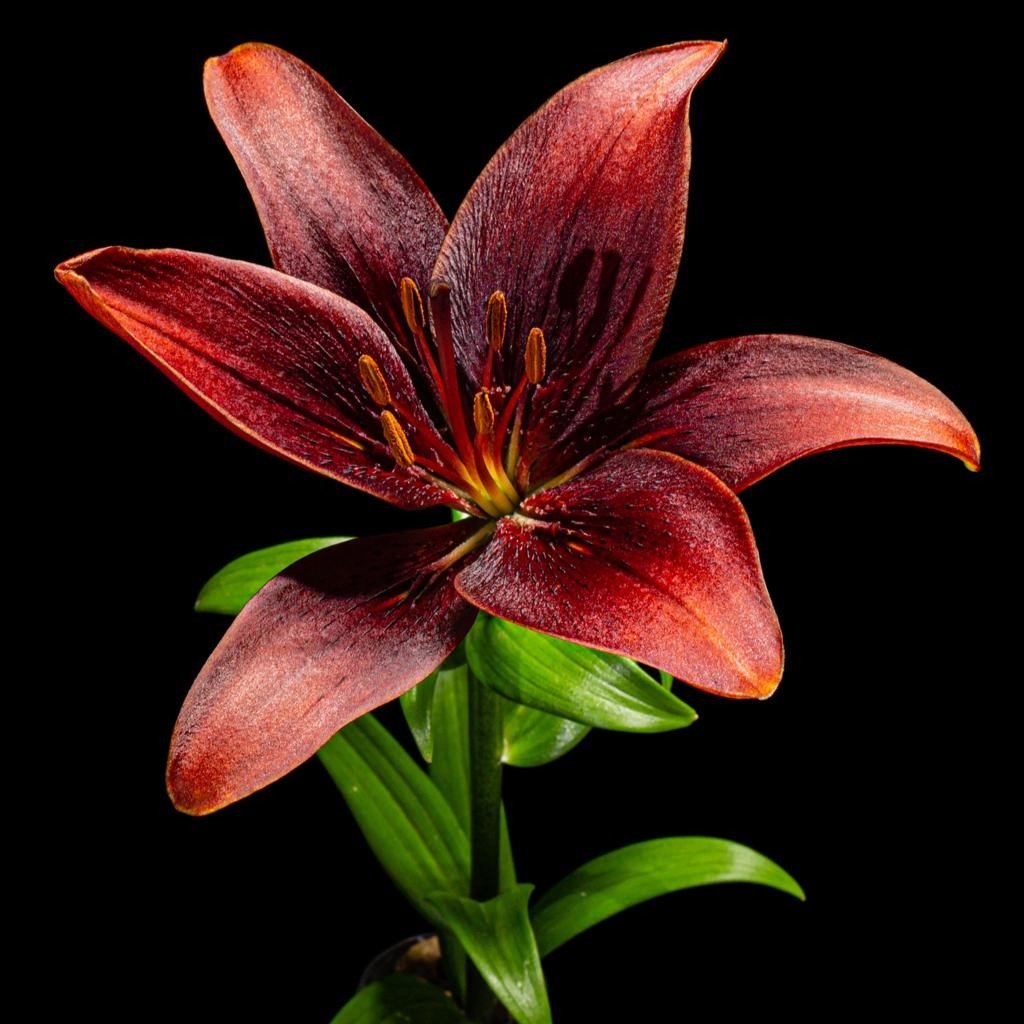
Passion and intense emotion
Red lilies may evoke desire, romantic intensity, courage, or powerful feelings. Their meaning is not standardized, but their strong visual impact often makes them suitable for dramatic floral designs.
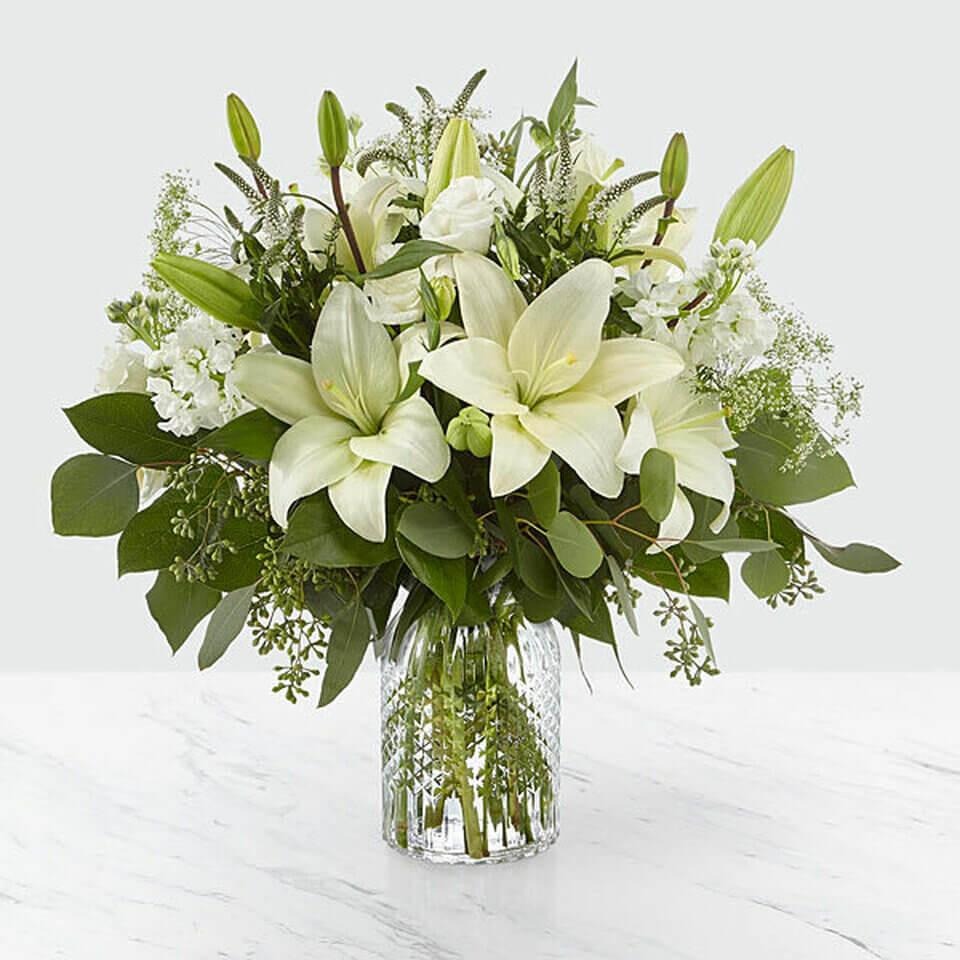
Peace, remembrance, and renewal
Lilies often appear at funerals, memorial services, and religious observances. In these contexts, they can express sympathy, honor a life, and symbolize hope, spiritual peace, or the possibility of renewal.
These associations are interpretive conventions rather than scientific rules. The flower’s color can influence its message, but the occasion, relationship between giver and recipient, and cultural setting also matter.
2. Historical Origins and Evolution of Lily Symbolism
Lily symbolism developed over centuries through gardening, mythology, religious traditions, and artistic representation. Different societies gave lilies their own meanings, and later generations inherited, adapted, or combined those associations.
Lilies in the ancient world
Lilies and lily-like flowers appeared in the visual cultures of the ancient Mediterranean and neighboring regions. Flowers could signify fertility, beauty, divine power, abundance, and the renewal of life.
The exact plant depicted in an ancient image is not always easy to identify. Artists sometimes stylized flowers, and modern common names do not necessarily correspond to the botanical species represented in historical artwork.
The white Madonna lily, Lilium candidum, has a particularly important history in the eastern Mediterranean. Its cultivation and later religious associations helped establish it as a recognizable emblem of purity and sacred beauty. Botanical and art-historical research traces its significance across classical antiquity, medieval Europe, and the Renaissance.
Lilium Species Foundation
+1
Greek and Roman associations
In Greek and Roman traditions, lilies and other prominent flowers appeared in stories about divine figures, fertility, beauty, and the natural world.
One familiar mythological association connects the white lily with Hera, the Greek goddess associated with marriage and motherhood. Later retellings link the flower’s origin to divine milk, although versions differ and should not be treated as a single historically fixed account.
These stories helped create a symbolic connection between flowers, femininity, motherhood, and divine authority. They also illustrate how mythology explains natural beauty by placing it within a larger story about the origins and organization of the world.
Medieval Christian symbolism
During the Middle Ages, the white lily became strongly associated with the Virgin Mary in Western Christian visual culture. It came to represent purity, chastity, holiness, and devotion.
The flower was especially useful in religious art because its recognizable shape and white petals could communicate an abstract virtue without requiring a written explanation. Artists could place a lily beside Mary or the angel Gabriel to reinforce the spiritual meaning of a scene.
The lily’s role in medieval gardens and Christian imagery is documented by the Metropolitan Museum of Art and research published in the Journal of Experimental Botany.
blog.metmuseum.org
+1
The Renaissance and the language of flowers
During the Renaissance, painters and other artists drew on inherited religious symbolism while also exploring beauty, human emotion, classical mythology, and the natural world.
Lilies became part of a visual vocabulary through which artists communicated ideas about innocence, virtue, divine presence, and idealized beauty. Their placement within a painting could carry meaning beyond their decorative function.
In later European traditions, the Victorian language of flowers further encouraged people to associate particular blooms with emotions and personal messages. The popularity of floral symbolism helped establish the idea that a bouquet could communicate sentiments that might be difficult to say aloud.
Why this history matters: lily symbolism is not simply an instinctive reaction to a beautiful flower. It is a cultural language built over time through repeated stories, images, rituals, and social practices.
3. Lily Flower Symbolism in Different Cultures and Traditions
The symbolic meaning of lilies changes across religious, cultural, and regional settings. A flower associated with sacred purity in one tradition might communicate mourning, affection, or celebration in another.
| Cultural or religious context | Common lily association | Context to understand |
| Western Christianity | Purity, holiness, devotion | White Madonna lilies appear in religious art, particularly imagery of the Virgin Mary. |
| Ancient Greek mythology | Divine beauty, motherhood, fertility | Associations depend on the myth and the flower depicted. |
| European funeral traditions | Remembrance, peace, sympathy | White lilies are often used in memorial and funeral arrangements. |
| Modern wedding traditions | Love, commitment, elegance | Meanings depend on the couple, flower color, and local customs. |
| Contemporary floral gifting | Appreciation, affection, celebration | Color and presentation influence the intended message. |
| Art and literature | Beauty, transience, virtue, renewal | Meaning emerges from the work’s narrative and historical setting. |
These examples primarily reflect documented or familiar traditions in the Mediterranean and Western cultural sphere. They should not be taken as a complete account of every culture’s flower symbolism.
Lily symbolism in Christianity
Christian lily symbolism is particularly associated with purity and the Virgin Mary. The white lily, often called the Madonna lily, became an emblem of Mary’s chastity and spiritual virtue.
In paintings of the Annunciation, the angel Gabriel may hold or stand beside a lily. This visual detail reinforces the sacred nature of the event and the religious interpretation of Mary’s role.
Lilies can also appear in Easter arrangements and other Christian celebrations. In these settings, the flower may suggest hope, new life, and resurrection. These meanings arise from the religious occasion and artistic tradition rather than from a botanical property of the flower itself.
Lilies in ancient mythology
Greek mythology connects flowers with divine figures and the powers of nature. Stories associated with Hera provide one example of how a lily could be interpreted through motherhood, femininity, and divine origin.
Such accounts are valuable as evidence of cultural imagination, but they are not botanical explanations. Mythological narratives differ among ancient authors and later retellings, and not every ancient flower described as a lily can be identified confidently as a modern Lilium species.
Lilies in Eastern and other cultural traditions
In Chinese cultural settings, the lily may be associated with harmony, favorable wishes, or family happiness, depending on the species, wording, artistic context, and local tradition. Some floral associations also involve wordplay, which can be difficult to translate directly into English.
Japanese floral meanings likewise vary by species, season, artistic context, and the conventions of flower arrangement. It would be misleading to assume that every lily has the same meaning across Japan or East Asia.
More broadly, flowers in South Asian, Middle Eastern, African, and Indigenous traditions cannot be assigned a single shared meaning simply because a plant resembles a European lily. Local botanical knowledge, religious practices, poetry, and regional customs all influence interpretation.
Expert insight: when researching flower symbolism for cultural education, publishing, or design, identify the actual species and the relevant community or tradition. A general statement about “Asian symbolism” or “ancient symbolism” is often too broad to be reliable.
4. Lily Symbolism by Color
Color is one of the easiest ways to interpret the symbolism of a lily. It provides a starting point for understanding the intended message, although no color has a universally fixed meaning.
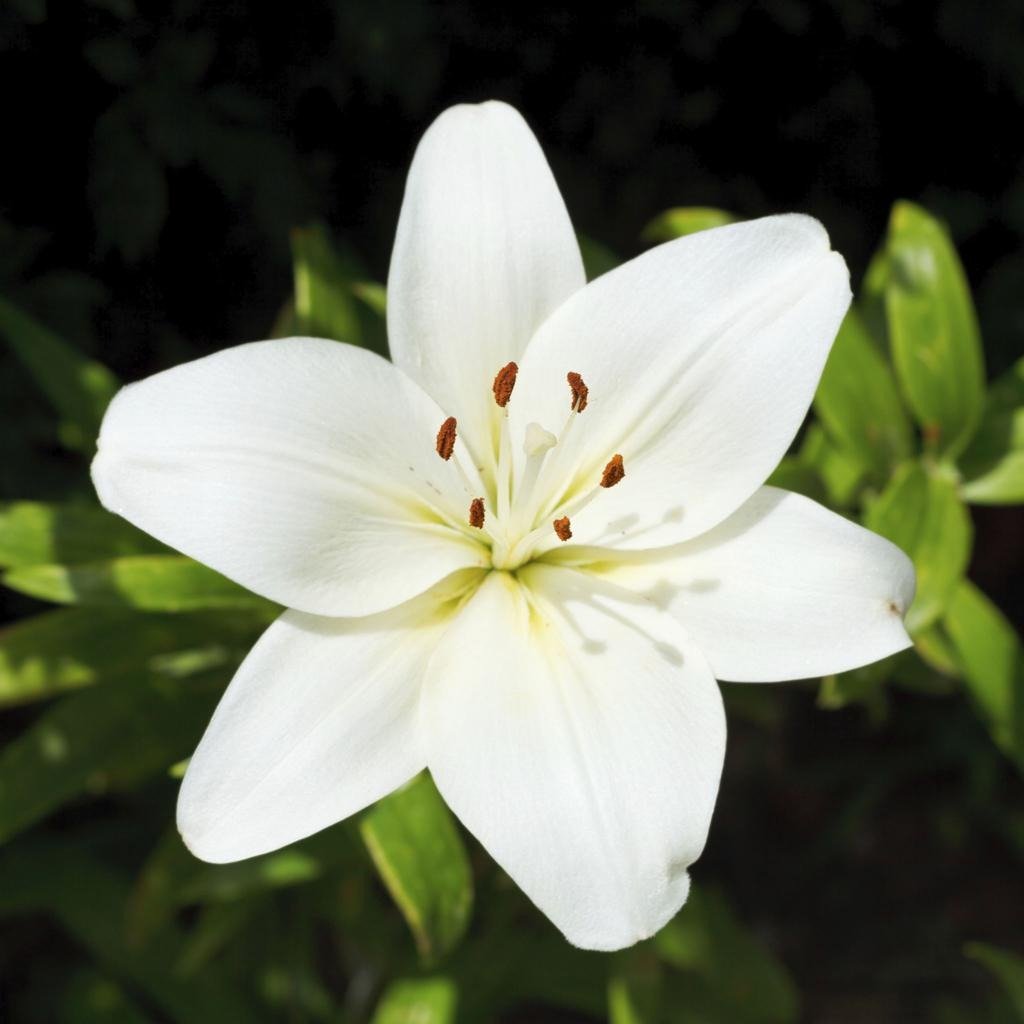
White lily symbolism — purity and peace
White lilies commonly represent innocence, spiritual purity, reverence, and peace. They are widely used in weddings, religious imagery, and funeral arrangements. Their association with purity is especially prominent in Western Christian art.
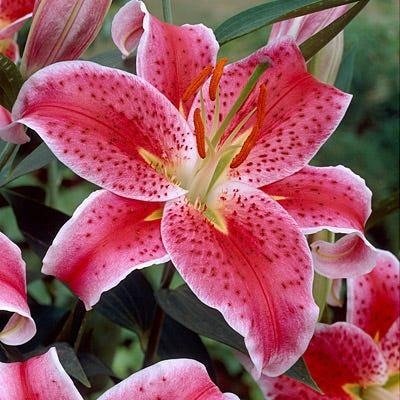
Pink lily symbolism — admiration and affection
Pink lilies can express appreciation, tenderness, and affection. Their soft color is often used to create a warm, graceful, and welcoming atmosphere.
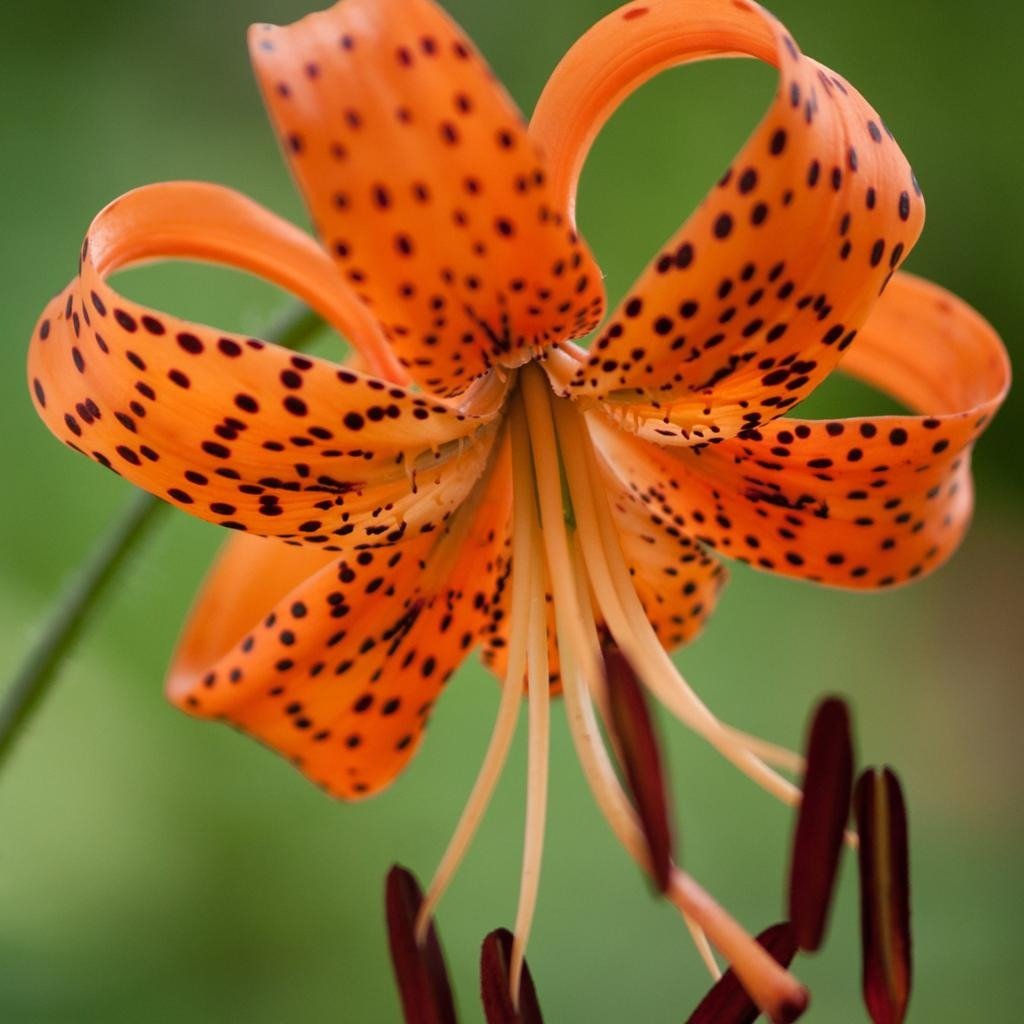
Orange lily symbolism — energy and confidence
Orange lilies often suggest enthusiasm, boldness, and vitality. Their strong color can add warmth and movement to a floral composition.
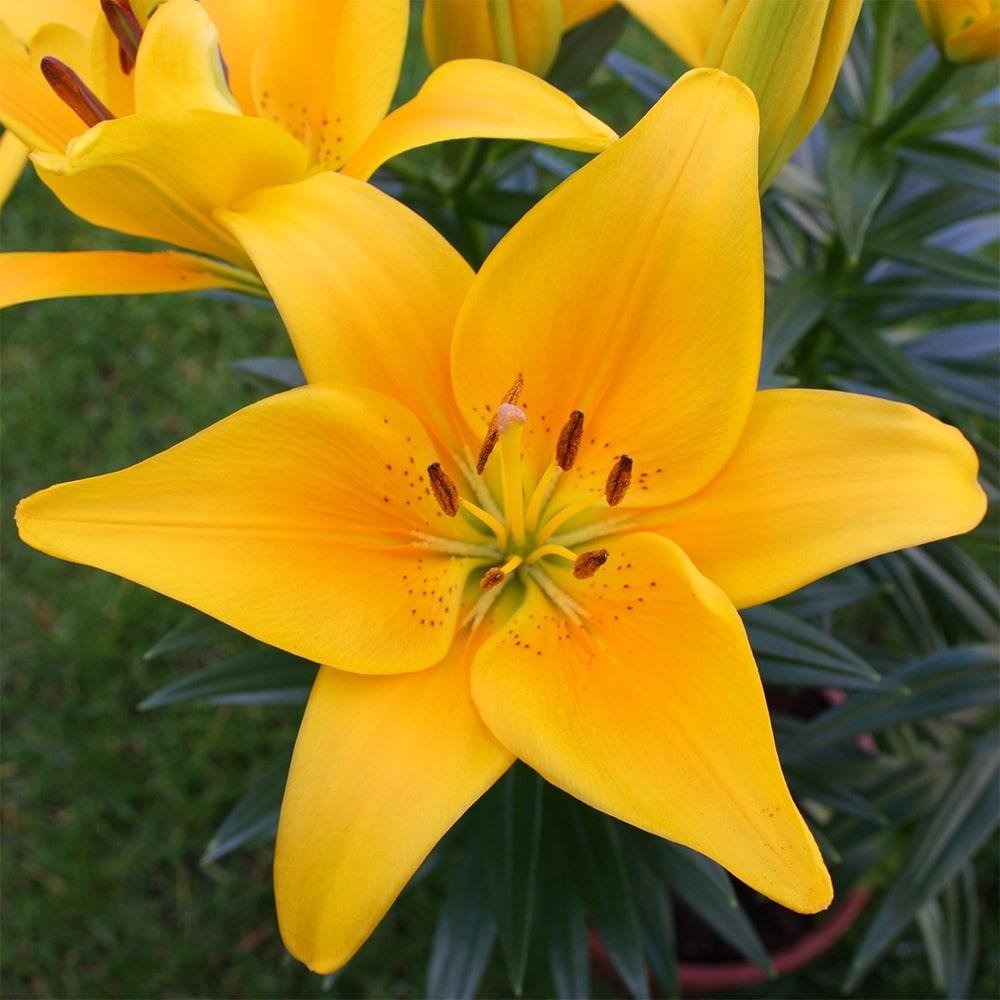
Yellow lily symbolism — optimism and warmth
Yellow lilies can symbolize happiness, friendship, and positive energy. Their associations are flexible, so the intended meaning should be considered alongside the occasion.
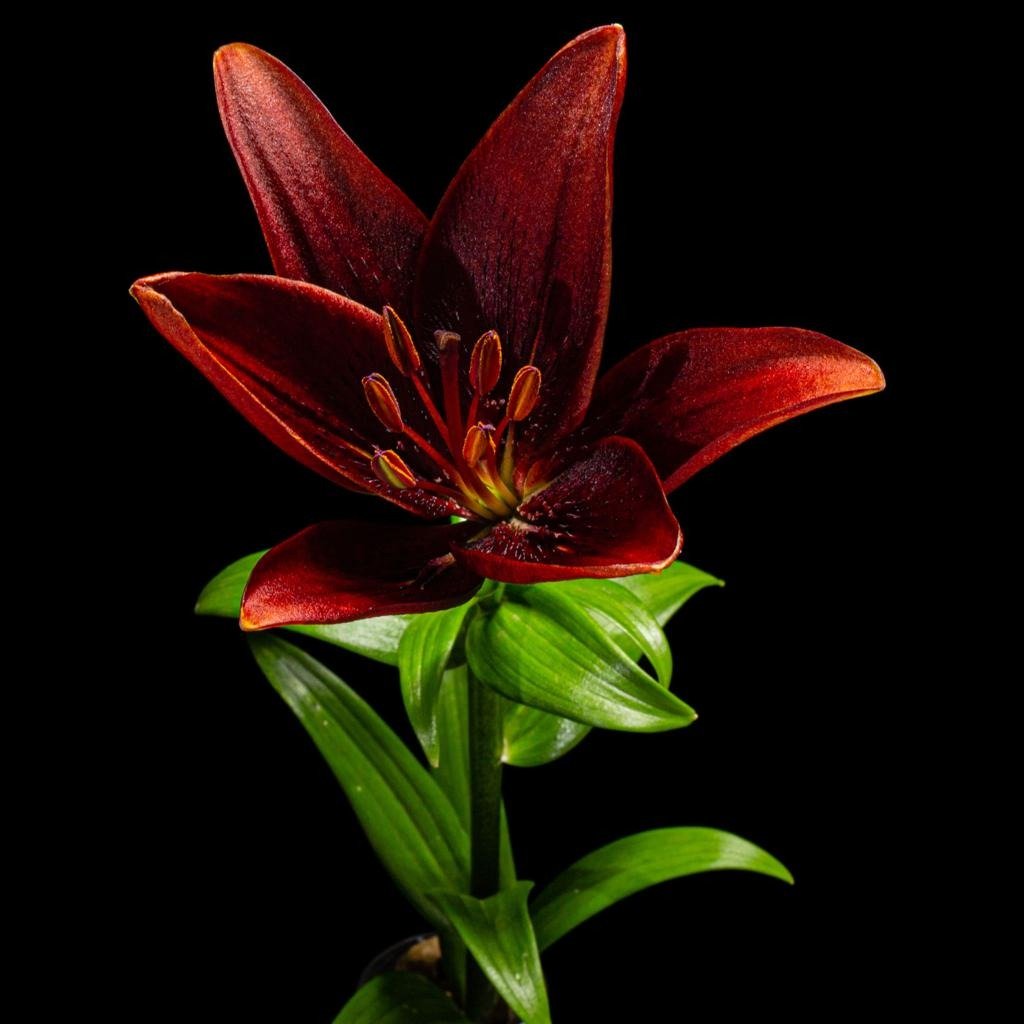
Red lily symbolism — passion and intensity
Red lilies may communicate romantic passion, courage, or deep emotion. They are particularly effective when a bold visual statement is desired.
What about purple lilies?
Purple lilies can evoke dignity, admiration, mystery, and elegance. Purple has historically been associated with status and ceremonial importance in some societies, but the precise meaning of a purple lily depends on its setting.
What about black lilies?
Flowers described as black lilies are generally very dark purple, maroon, or burgundy rather than truly black. In contemporary art and design, their dark appearance can suggest mystery, mourning, transformation, or unconventional beauty.
These associations are modern interpretive possibilities, not universal traditional meanings. They can be useful in gothic art, dramatic floral design, or visual storytelling.
What does a lily bouquet mean?
A bouquet combines several symbolic signals: flower type, color, number, arrangement, accompanying plants, and the occasion. A bouquet of white lilies given at a memorial service will communicate something different from a bouquet of pink lilies offered to celebrate a milestone.
The most reliable way to interpret a bouquet is to consider its intended use and the relationship between the people exchanging it.
5. Spiritual Meaning of the Lily Flower
The spiritual meaning of the lily often centers on inner purity, faith, transformation, hope, and the relationship between the visible world and the sacred.
For many people, lilies offer a way to express spiritual ideas through a natural object. Their graceful blooms can serve as reminders of devotion, the value of compassion, and the possibility of renewal after difficult experiences.
Purity of the heart and spirit
In spiritual interpretations, a white lily may represent sincerity, peaceful intentions, and the desire to live according to deeply held values. Its symbolism can encourage reflection on honesty, forgiveness, humility, and personal growth.
This is a symbolic interpretation rather than a universal spiritual doctrine. People may find the flower meaningful even when they do not follow a religious tradition.
Renewal and transformation
A lily grows from a bulb, develops leaves and a stem, and eventually produces a flower. Its seasonal cycle can provide a natural metaphor for patience and transformation.
Someone beginning a new chapter in life might interpret a blooming lily as a reminder that change can lead to new possibilities. Others may connect it with recovering confidence, rebuilding relationships, or finding hope after a period of uncertainty.
The flower does not predict that a positive change will occur. Rather, its symbolic value comes from the meaning an individual chooses to draw from its growth.
Devotion and sacred beauty
Lilies in religious spaces can encourage contemplation and reverence. Their presence on an altar, in a church, or within sacred artwork can direct attention toward the beliefs and stories that shape a community.
In this sense, the lily demonstrates how nature can become part of spiritual practice without having to be understood in exactly the same way by every observer.
6. Lily Flower Symbolism in Dreams
Dream interpretations involving lilies are subjective. There is no established scientific basis for assigning one universal meaning to a particular flower in a dream, but personal and cultural associations can provide useful material for reflection.
| Dream image | Possible symbolic interpretation |
| A white lily in bloom | Peace, innocence, or a desire for clarity |
| Receiving a lily bouquet | Appreciation, affection, or recognition |
| A garden full of lilies | Growth, beauty, or a sense of emotional abundance |
| A wilting lily | Change, disappointment, loss, or concern about something important |
| A lily beginning to open | New possibilities, self-discovery, or gradual progress |
| Lilies at a funeral | Grief, remembrance, acceptance, or the need for comfort |
What does it mean to dream about a white lily?
A white lily in a dream may reflect a desire for peace, reconciliation, or a fresh start. For someone familiar with Christian symbolism, it might also evoke faith, sacredness, or the Virgin Mary.
For another person, it may simply bring to mind a loved one, a wedding, a garden, or a meaningful experience.
Expert tip: Instead of treating a dream as a prediction, consider what the lily reminded you of, how you felt in the dream, and what is happening in your life. Personal context is more useful than a rigid dream dictionary.
7. Lily Symbolism in Art, Literature, and Storytelling
Lilies have played an important role in visual art and literature because their physical qualities lend themselves to metaphor. Their pale petals, fragrance, striking shape, and relatively short-lived blooms can suggest beauty, innocence, desire, fragility, or change.
Lilies in religious paintings
In medieval and Renaissance European art, the white lily became a recognizable attribute of the Virgin Mary and a recurring element in depictions of the Annunciation.
Its appearance helped viewers understand a painting’s religious significance. In the language of iconography, the flower functions as a visual sign that connects the physical scene with a larger theological idea.
The National Gallery in Prague documents the lily’s development as a motif associated with purity, fertility, abundance, and Christian innocence.
National Gallery Prague
+1
Lilies in poetry and literature
Writers use lilies in different and sometimes contradictory ways. A lily may suggest ideal beauty, but its vulnerability to wilting and decay can also remind readers that beauty does not last forever.
Research published by Oxford University Press explores how Renaissance writers, including Shakespeare, used lilies and their sensory qualities to examine desire, purity, and the possibility that outward beauty may conceal complexity.
Oxford Academic
This dual meaning makes lilies effective literary symbols. A flower can represent innocence in one passage and expose the limits of idealized innocence in another.
The phrase “gilding the lily”
The expression “gilding the lily” means adding unnecessary decoration or embellishment to something that is already beautiful or complete.
It reflects a familiar symbolic idea: natural beauty can be sufficient without additional ornamentation.
In design, writing, and communication, the phrase serves as a reminder that more detail does not always improve the result. Sometimes simplicity creates the strongest impression.
Lilies in contemporary visual culture
Today, lilies appear in photography, illustration, wedding stationery, memorial graphics, home decor, fashion, and digital art.
A designer might use a white lily to suggest calm and elegance, while a dark lily might support a dramatic or mysterious atmosphere. In each case, the flower becomes part of a visual vocabulary shaped by cultural memory and the intended audience.
8. The Psychology and Semiotics of Lily Symbolism
Why can a flower communicate emotions so effectively?
The answer lies partly in learning, perception, and association. Humans do not respond to visual objects through appearance alone. Their interpretations are also influenced by experience, cultural knowledge, expectations, and context.
How visual appearance shapes meaning
The lily’s pale petals can readily be associated with cleanliness and lightness in cultures where white carries those associations. Its symmetrical appearance may evoke balance, while its upright stem and open bloom can create an impression of elegance or dignity.
These are plausible interpretations of visual features, not universal psychological laws. The same color or shape can mean something different in another cultural setting.
How learned associations influence emotion
Suppose someone regularly sees white lilies at religious services. Over time, the flower may become associated with reverence, comfort, or spiritual devotion.
Someone who encounters lilies at funerals may connect them with grief and remembrance. Another person who receives them on a birthday may associate them with affection and celebration.
The flower has not changed, but its meaning has developed through experience.
Lily symbolism as semiotic communication
Semiotics is the study of signs and how they create meaning. From a semiotic perspective, a lily is a physical object that can function as a sign for an abstract idea.
Its interpretation depends on three interconnected elements:
- The sign: the actual flower or its image.
- The meaning: the idea it evokes, such as purity, remembrance, or love.
- The context: the situation, tradition, or shared knowledge that makes that interpretation understandable.
This framework explains why the same lily can be appropriate for a wedding and a memorial. The flower’s meaning is shaped by the social context in which it appears.
9. Practical Applications of Lily Flower Symbolism
Understanding lily symbolism is useful whenever flowers communicate a message, whether through a gift, a ceremony, a piece of artwork, or a brand identity.
Choosing lilies for special occasions

Weddings and anniversaries
White lilies can emphasize elegance, sincerity, and new beginnings. Pink lilies may add a softer expression of affection and appreciation. The best choice depends on the couple’s preferences and the overall style of the celebration.
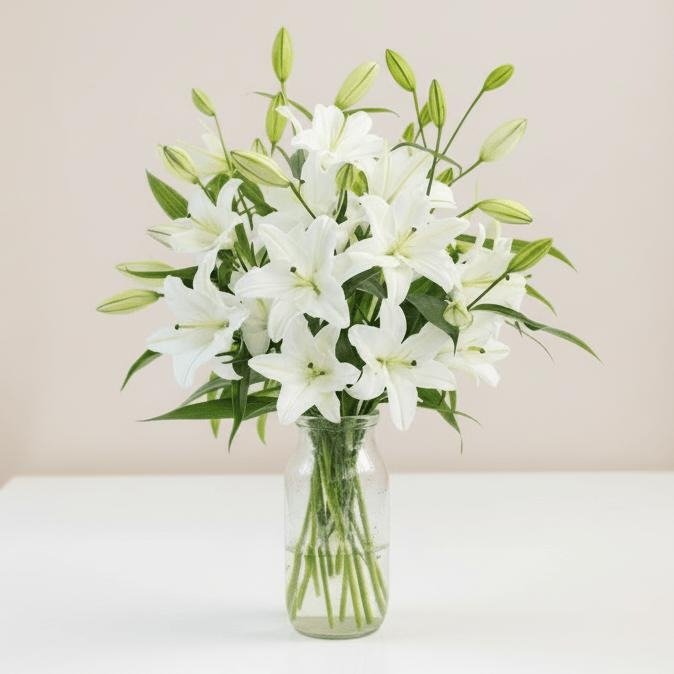
Funerals and memorials
White lilies are commonly used to communicate sympathy, peace, and remembrance. A simple arrangement can convey respect without requiring elaborate decoration.
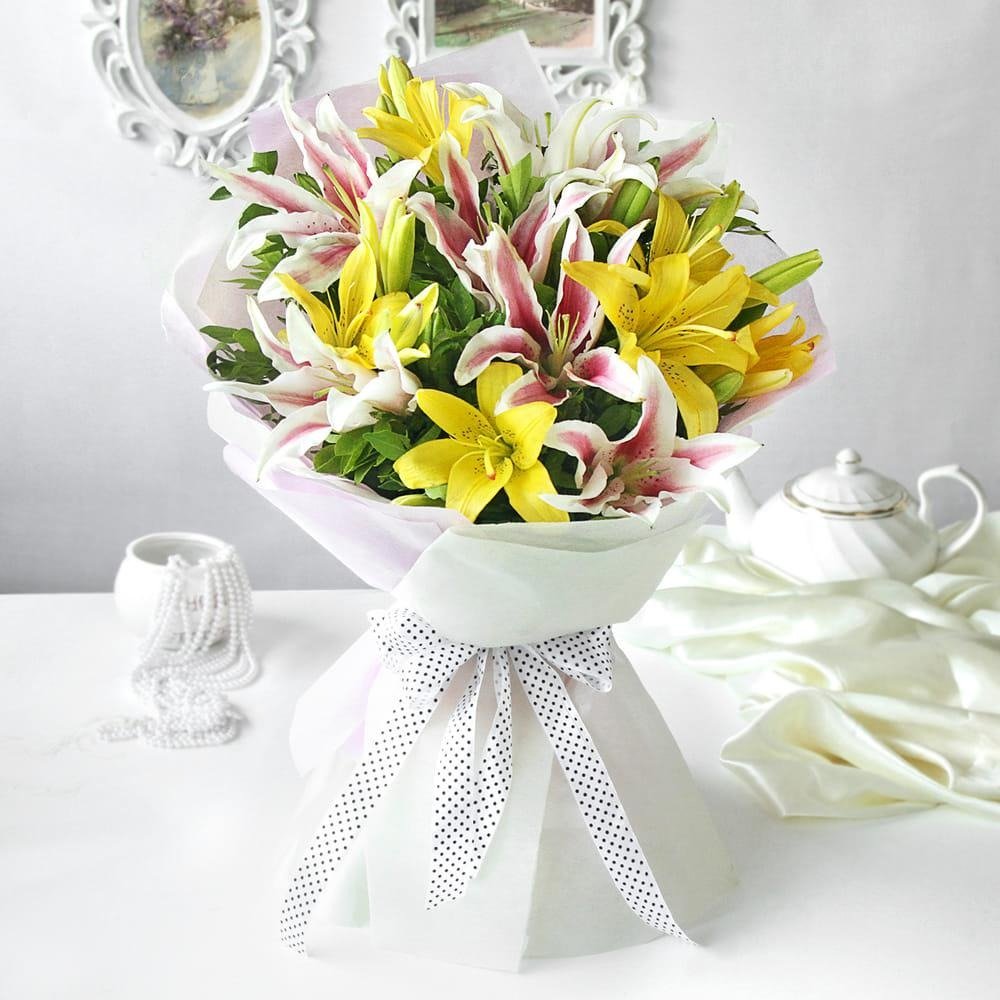
Birthdays and celebrations
Bright or pink lilies can contribute to a cheerful, affectionate message. Pairing them with a personal note makes the intention clearer than relying on flower symbolism alone.

Interior design and hospitality
Lilies can introduce an impression of refinement and calm into an arrangement. Their shape makes them useful as a focal point in minimalist displays, hotel interiors, and event spaces.
Using lily symbolism in branding and design
Lilies can support a visual identity built around elegance, tradition, beauty, or spiritual significance. A floral emblem may be appropriate for a boutique, an event company, a cultural organization, or a business whose identity emphasizes refinement.
However, a designer should consider more than the flower’s symbolic associations.
- Audience: Will the intended viewers understand the reference?
- Cultural context: Could the flower carry a different association for a particular community?
- Visual clarity: Is the lily recognizable at small sizes?
- Brand differentiation: Does the design look distinctive rather than generic?
- Accessibility: Is the intended message communicated through more than color alone?
A lily illustration may suggest elegance to one audience but mourning to another. Testing the design with the intended audience is more reliable than assuming everyone interprets the symbol identically.
Using lily symbolism in education
Teachers can use lilies to introduce students to mythology, religious iconography, botanical classification, poetry, and semiotics.
For example, students can compare two paintings that feature a lily and ask why the flower appears in each composition. They can then distinguish the plant’s botanical identity from its cultural interpretation.
This approach develops visual literacy and historical reasoning. It also teaches an important research skill: an interpretation should be supported by evidence from the artwork, its context, and relevant historical sources.
10. Common Mistakes About Lily Flower Symbolism
Several misunderstandings can make flower symbolism less useful or less accurate.
Mistake 1: Assuming every lily means purity. White lilies are strongly associated with purity in some Western traditions, but lilies also communicate remembrance, beauty, affection, and other meanings.
Mistake 2: Treating flower colors as universal codes. Color associations differ between communities, historical periods, and individual experiences. No color chart can explain every lily arrangement.
Mistake 3: Confusing different plants called lilies. True lilies belong to the genus Lilium. Daylilies, peace lilies, calla lilies, and lily of the valley are different plants, despite sharing the common name “lily.”
Mistake 4: Treating spiritual interpretations as proven facts. A lily may be meaningful as a sign of renewal or divine protection, but symbolic belief should not be presented as scientific evidence or a reliable prediction of future events.
Mistake 5: Assuming every funeral lily represents the same emotion. One person may see peace and consolation; another may experience sadness or remember a particular loved one. The setting influences interpretation, but individual experience matters too.
Myth vs. fact
| Myth | More accurate explanation |
| Lilies have one meaning worldwide. | Their symbolism changes with culture, color, history, and context. |
| Every lily mentioned in ancient texts is a modern true lily. | Historical flower names and artistic depictions do not always identify a botanical species with certainty. |
| A lily in a dream predicts the future. | Dream meanings are subjective and are not established methods of predicting events. |
| The fleur-de-lis is definitely a botanical lily. | Its exact botanical origin is debated; it is a stylized heraldic emblem. |
| Every plant called a lily is safe for pets. | Several plants commonly called lilies pose serious risks to cats. |
11. Did You Know? Fascinating Facts About Lily Symbolism
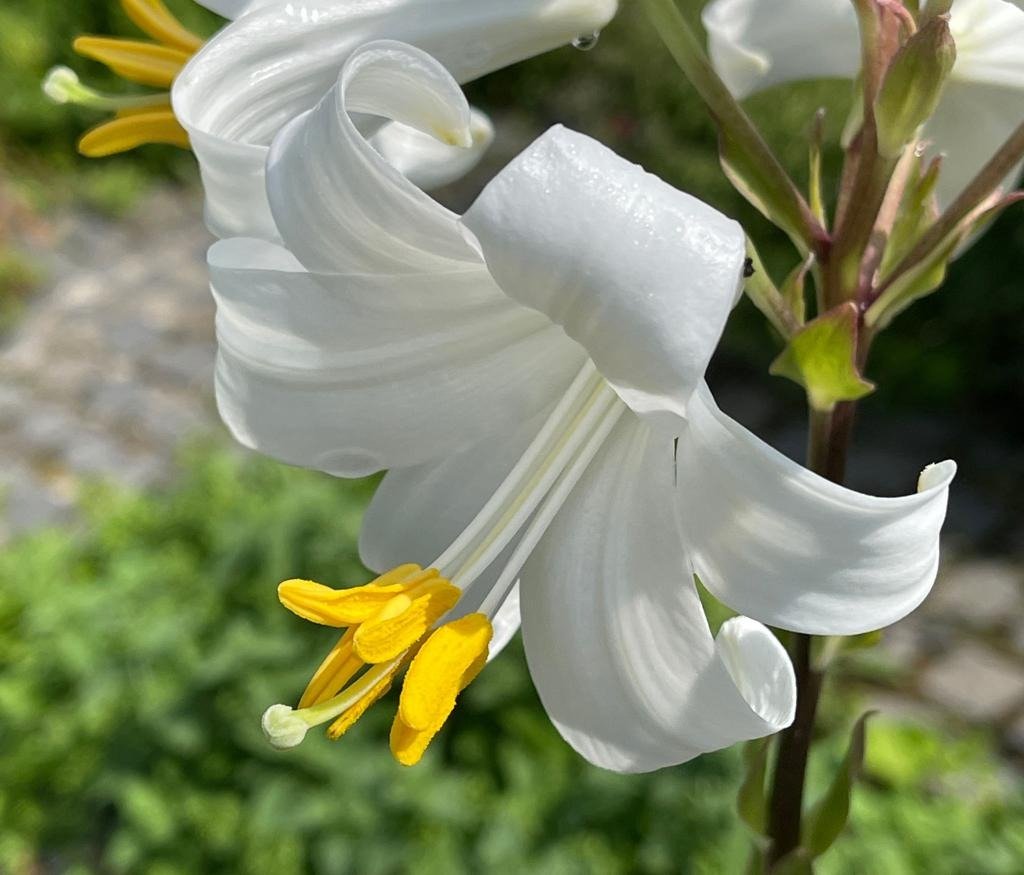
The Madonna lily has a distinctive historical identity.
Lilium candidum became an important symbol of purity in European Christian art, particularly in images of the Virgin Mary. It is not the same species as the Easter lily, Lilium longiflorum.
Oxford Academic
+1

The fleur-de-lis is not necessarily a true lily.
This famous heraldic emblem is associated with French royalty and has a long political and artistic history. Its precise botanical origin remains debated, and some interpretations connect its form to an iris rather than a true lily.
SymbolHubs
+1
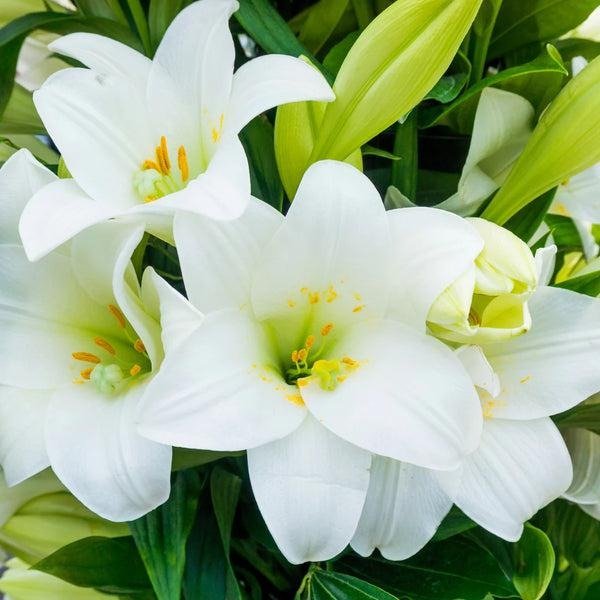
Lilies can connect celebration and remembrance.
White lilies appear in both joyful and solemn ceremonies. Their meanings are shaped by the event: a wedding may emphasize elegance and commitment, while a memorial may emphasize peace and remembrance.
An important safety note for cat owners
True lilies (Lilium species) and daylilies (Hemerocallis species) can cause life-threatening kidney injury in cats. Exposure to petals, leaves, pollen, or contaminated vase water can be dangerous. If a cat may have been exposed, contact a veterinarian immediately rather than waiting for symptoms.
ASPCA
+1
This practical consideration matters when choosing flowers for a home, sending sympathy bouquets, or designing floral displays for people who have pets.
12. Key Insights: What Lily Flowers Really Represent
The meaning of lily flower symbolism becomes clearer when we distinguish the flower itself from the cultural meanings people have given it.
- Purity and innocence: Especially associated with white lilies in Western Christian art.
- Love and affection: Often communicated through pink or red lilies in contemporary floral gifting.
- Spiritual devotion: Expressed through religious imagery and ceremonial arrangements.
- Renewal and hope: Connected with blooming, seasonal change, and religious traditions.
- Remembrance and peace: Frequently communicated through lilies used at funerals and memorials.
- Beauty and transience: Explored in paintings, poetry, and literary metaphors.
- Cultural identity: Reflected in the ways communities use flowers in rituals, stories, and visual communication.
- Personal meaning: Shaped by memory, relationships, experience, and individual beliefs.
The most useful approach is to consider several factors together: the species, color, occasion, cultural setting, and intention behind the flower.
Conclusion: The Enduring Meaning of Lily Flower Symbolism
Lily flower symbolism reveals how a single natural object can communicate a remarkable range of ideas.
Across art, religion, literature, mythology, and everyday life, lilies have come to represent purity, love, spiritual devotion, renewal, beauty, and remembrance.
Their history shows that symbolic meanings develop through cultural traditions rather than existing as fixed properties of the flower.
The white Madonna lily became a powerful emblem of purity in Christian art, while modern floral arrangements use lilies to express affection, sympathy, celebration, and respect.
Understanding these associations helps us choose flowers thoughtfully, interpret artistic imagery, and recognize the role of symbols in communication. It also encourages a more careful approach to cultural interpretation:
the meaning of a lily depends on who is using it, where it appears, and what it is intended to express.
Ultimately, the lily’s significance comes from the connection between nature and human experience. Its beauty provides the starting point, while history, culture, and personal meaning give the flower its lasting symbolic power.
Frequently Asked Questions About Lily Flower Symbolism
1. What does a lily flower symbolize spiritually?
Spiritually, lilies can symbolize purity, devotion, peace, renewal, and hope. In Christian traditions, white lilies are especially associated with the Virgin Mary and spiritual innocence. Outside religious settings, people may interpret a lily as a reminder of personal growth, compassion, or a new beginning.
2. What does a white lily symbolize?
A white lily most commonly symbolizes purity, innocence, peace, and reverence in Western floral traditions. It is frequently used in Christian religious art, weddings, funerals, and memorial services. Its meaning depends on the occasion: it may represent elegance and sincerity at a wedding or sympathy and remembrance at a funeral.
3. What does a pink lily mean?
Pink lilies commonly express affection, admiration, tenderness, and appreciation. They are often chosen for celebrations, thoughtful gifts, and arrangements intended to communicate warmth. These are common contemporary floral associations rather than universal cultural rules.
4. Why are lilies associated with funerals and death?
Lilies are associated with funerals because their traditional meanings of peace, purity, spiritual hope, and renewal can provide comfort during bereavement. In Western traditions, white lilies are often used to express sympathy and remembrance. They do not have to symbolize death itself; they can also communicate hope and the continuing significance of a person’s life.
5. What does a lily symbolize in Christianity?
In Western Christian iconography, the white Madonna lily represents purity, chastity, and holiness, particularly in connection with the Virgin Mary. Lilies also appear in religious settings associated with Easter and new life. These associations developed through biblical interpretation, religious art, and established devotional traditions.
Oxford Academic
+1
6. Do lily colors have different symbolic meanings?
Yes. In contemporary floral conventions, white lilies often suggest purity and peace, pink lilies affection and admiration, orange lilies confidence and vitality, yellow lilies joy and warmth, and red lilies passion or intense emotion. These associations are flexible, and cultural context and personal preference can be more important than a color alone.
Final Key Takeaways
- The primary meanings of lily flowers include purity, devotion, love, beauty, renewal, and remembrance.
- White lilies have a particularly strong association with the Virgin Mary in Western Christian art.
- Different colors can influence a lily’s message, but their meanings are not universal.
- Lily symbolism has evolved through mythology, religion, history, literature, and visual culture.
- Lilies are useful symbols in gifting, ceremonies, design, branding, and education.
- Symbolic interpretation should be distinguished from scientific evidence and historical fact.
- True lilies and daylilies are dangerous to cats, making plant identification an important practical consideration.
Semantic Entities, NLP Concepts, LSI Keywords, and Topical Relationships
The following terms summarize the main semantic relationships covered in this article and can support your website’s internal linking and topical organization.
| Category | Relevant entities and concepts |
| Primary keyword | Lily flower symbolism, lily symbolism, lily flower meaning |
| Botanical entities | Lilium candidum, Lilium longiflorum, true lilies, daylilies, Madonna lily |
| Color-related keywords | White lily meaning, pink lily symbolism, red lily meaning, orange lily symbolism, yellow lily meaning, purple lily meaning |
| Spiritual concepts | Purity, innocence, devotion, renewal, spiritual hope, holiness |
| Emotional associations | Love, affection, admiration, peace, remembrance, sympathy |
| Religious entities | Virgin Mary, Christianity, Annunciation, Easter, Christian iconography |
| Historical entities | Ancient mythology, Greek mythology, Hera, medieval art, Renaissance art, Victorian flower language |
| Art and literature | Floral symbolism, visual communication, iconography, poetry, metaphor, literary symbolism |
| Psychology and semiotics | Cultural association, perception, semiotics, visual literacy, symbolic communication |
| Practical applications | Wedding flowers, funeral flowers, sympathy bouquets, floral gifting, interior design, branding |
| Related long-tail keywords | What does a lily symbolize spiritually, what does a white lily mean, lily flower meaning in Christianity, why lilies are used at funerals, lily symbolism by color |
| Topical relationships | Lily and purity; lily and the Virgin Mary; lily and remembrance; lily and renewal; flower color and emotion; floral symbolism and cultural identity |
Suggested topical cluster for symboliium.com: Connect this article to related content about white flower symbolism, flower symbolism, purity symbolism, and rebirth symbolism if those pages exist or you plan to publish them. These are suggested URL structures, not verified existing pages.
This article is structured for readability, semantic coverage, and search intent. No article can guarantee rankings, plagiarism free status across every possible source, or detection outcomes from AI classifiers, but careful sourcing, original editorial judgment, and fact-checking can strengthen its quality and credibility.

Understand color meanings, psychology, and visual symbolism with Charlotte Monroe.
