Birds Symbolism: What Do Birds Represent?
Birds have fascinated humanity for thousands of years.
Their ability to fly, migrate across continents, sing at dawn, and move between the earth and the sky has made them powerful symbols in mythology, religion, literature, art, and everyday life.
The meaning of birds symbolism often centers on freedom, hope, transformation, wisdom, peace, and the connection between the physical and spiritual worlds.
Yet a bird’s symbolic meaning can change depending on its species, behavior, color, cultural context, and the personal experiences of the observer.
From the peaceful white dove to the mysterious raven, different birds communicate different ideas.
An eagle may represent courage and leadership, while a hummingbird can suggest joy and resilience.
A crow might symbolize intelligence, mystery, or death in one tradition and protection or spiritual significance in another.
Understanding bird symbolism helps us recognize how humans use the natural world to express complex emotions, beliefs, identities, and aspirations.
These meanings appear in ancient religious stories, national emblems, paintings, poetry, business logos, tattoos, and modern digital communication.
What Is the Symbolism of Birds?
Bird symbolism refers to the meanings, ideas, emotions, and cultural associations that people connect with birds. Across different traditions, birds commonly represent freedom, hope, peace, wisdom, spiritual connection, transformation, and the human desire to rise above limitations. Their precise meanings depend on the species, cultural background, historical period, and circumstances in which they appear.
Birds are particularly effective symbols because their natural characteristics invite metaphorical interpretation. Flight suggests liberation, migration evokes journeys and change, and birdsong can communicate joy, warning, or renewal. These associations make birds meaningful in both traditional belief systems and contemporary visual storytelling.
However, bird symbolism is not a universal code. A raven does not automatically predict death, and seeing an owl does not establish that a supernatural message has been delivered. Such interpretations belong to particular cultural traditions, personal beliefs, and symbolic frameworks rather than scientifically verified universal rules.
1. The Historical Origins of Bird Symbolism
Bird symbolism developed through humanity’s close relationship with the natural environment. Early communities observed birds as sources of food, seasonal indicators, predators, scavengers, and creatures capable of traveling through the sky. Their unusual abilities made them important in folklore, ritual, storytelling, and religious imagination.
Birds in Ancient Civilizations
6
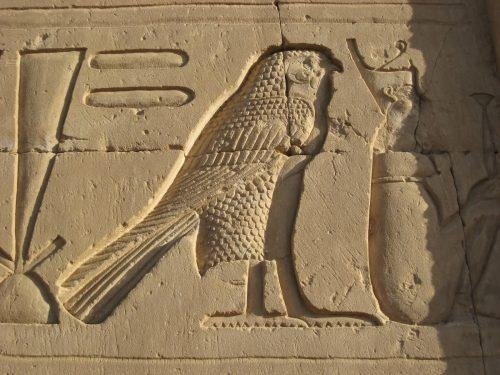
In ancient Egypt, birds appeared prominently in religious art and mythology. Horus, a major Egyptian deity associated with kingship and protection, was commonly represented with a falcon’s head. The falcon’s keen vision and powerful flight made it a compelling image of authority and divine power.
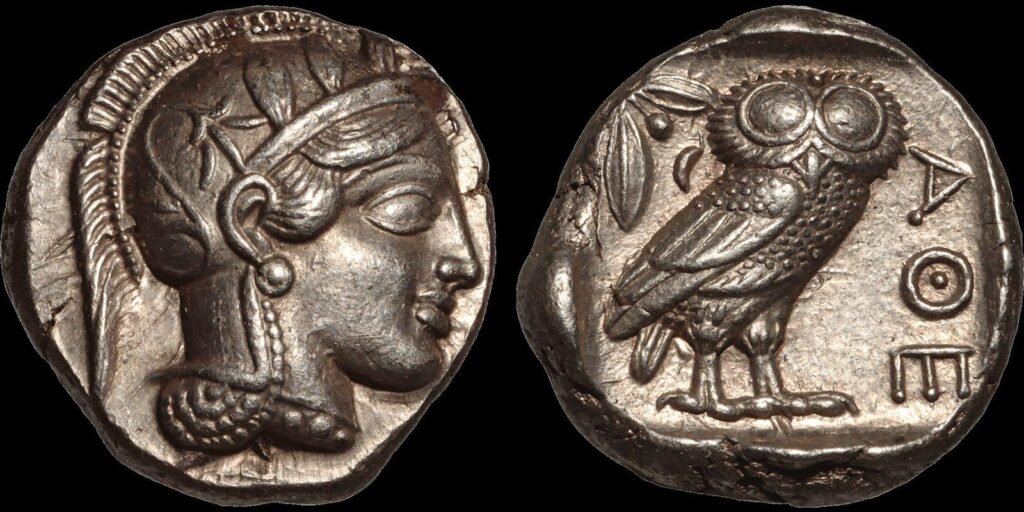
In ancient Greece, the owl became associated with Athena, the goddess of wisdom and strategic warfare. The owl’s connection with knowledge continues to influence modern educational imagery, although its cultural associations have evolved over time.
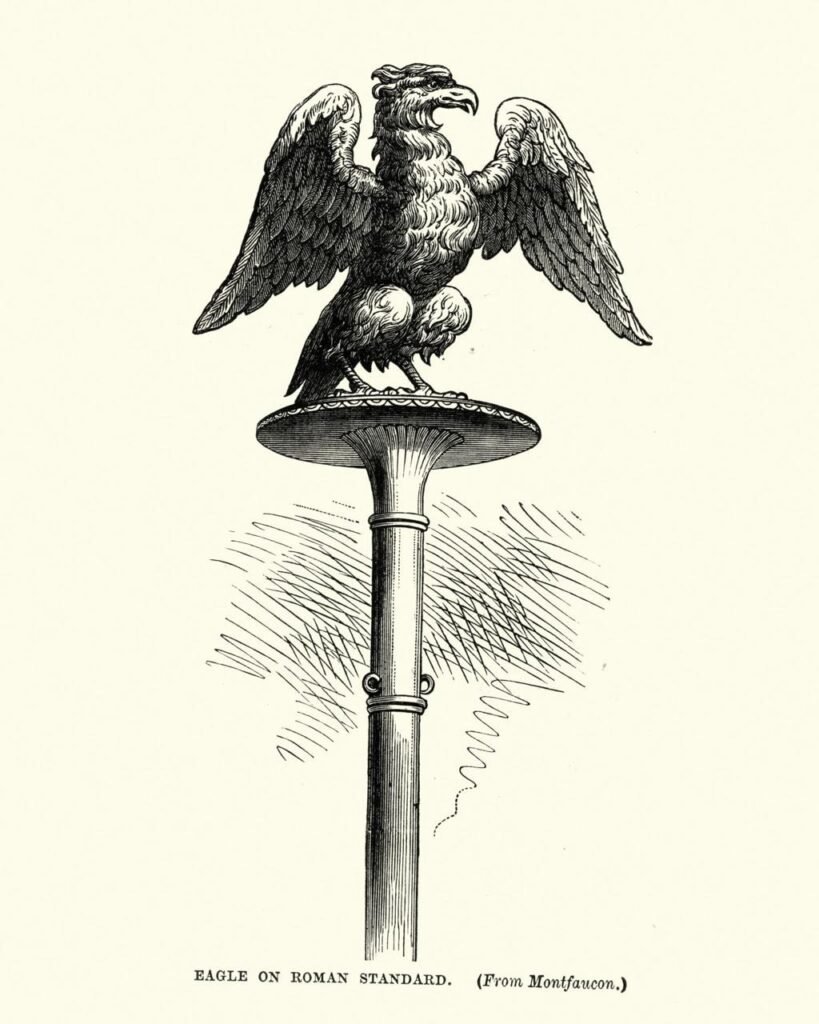
In ancient Rome, the eagle became an important military emblem associated with imperial authority, strength, and victory. Its imposing presence and ability to soar high above the landscape made it a suitable representation of power.
Birds also occupied important places in ancient Mesopotamian traditions, Indigenous knowledge systems, and other societies, although their meanings differed substantially. Some birds were connected with deities or ancestors, while others appeared in stories about creation, the afterlife, weather, or the relationship between humans and nature.
Birds as Messengers Between Worlds
One enduring theme in bird symbolism is the idea that birds connect different realms.
Because birds travel through the sky while humans remain primarily earthbound, many cultures have imagined them as messengers between people, gods, ancestors, or spiritual worlds. In some religious and folkloric traditions, birds appear as signs of divine communication, omens, or guidance.
In Greek mythology, birds could communicate divine intentions or provide clues about future events. Augury, the interpretation of bird behavior and flight, formed part of Roman religious practice.
These historical examples reveal an important distinction: people have long interpreted birds as meaningful signs, but the interpretation depended on established religious customs and cultural beliefs. Bird behavior itself does not scientifically confirm future events.
Why Historical Bird Symbolism Still Matters
Historical symbolism continues to influence how birds are represented today. The eagle remains associated with authority, the owl with knowledge, and the dove with peace.
These connections demonstrate how symbols acquire cultural durability. A meaning becomes familiar through repeated use in religious images, public monuments, stories, education, and political imagery.
2. The Spiritual Meaning of Birds
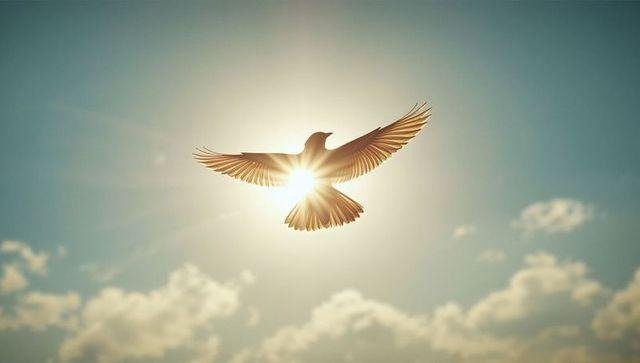
Birds often symbolize spiritual freedom, awakening, hope, intuition, renewal, and a connection with something greater than oneself. Their flight provides a natural metaphor for moving beyond limitations, while their songs and seasonal movements can inspire reflection on change and the cycles of life.
8
Birds as Symbols of Freedom
Freedom is one of the most recognizable meanings associated with birds.
A bird flying across an open sky can represent independence, personal growth, and the courage to pursue new possibilities. In poetry and visual art, flight frequently becomes a metaphor for escaping restrictions or discovering a wider perspective.
For example, an illustration of a bird leaving an open cage may communicate liberation from an unhealthy situation, a restrictive belief, or a difficult stage of life.
This meaning is not limited to spirituality. Birds also appear in political imagery, personal tattoos, and branding to communicate autonomy, ambition, and possibility.
Birds as Signs of Hope and Renewal
Birds can represent hope because their songs often accompany sunrise, spring, and seasonal change. The return of migratory birds can also signal the arrival of warmer weather in particular regions.
These natural patterns have encouraged symbolic connections between birds and fresh beginnings.
A bird appearing after a difficult period may remind someone of recovery, patience, or the possibility of moving forward. The significance may be deeply personal without needing to be interpreted as a supernatural event.
Birds and Spiritual Awakening
Some spiritual traditions use birds as metaphors for the soul, consciousness, or spiritual development. Their upward movement may represent aspiration, while their ability to navigate great distances may suggest an inner journey.
In Hindu philosophical traditions, birds sometimes appear in teachings about the self, consciousness, and the relationship between different aspects of existence. In Christian art, certain birds have acquired specific associations with divine presence or religious virtues.
These interpretations should be understood within their respective traditions rather than combined into one universal spiritual explanation.
What Does It Mean When a Bird Appears Repeatedly?
Repeated encounters with a particular bird may feel meaningful because the species reminds someone of a loved one, a life event, or an important personal goal.
A balanced interpretation considers three things:
- Context: What was happening when you noticed the bird?
- Association: What cultural or personal meaning do you connect with that species?
- Reflection: Does the encounter encourage a useful thought about your life?
Some people interpret recurring birds as spiritual signs. Others see them as memorable encounters with wildlife. Both responses can be explored respectfully, provided personal interpretations are not confused with objectively established facts.
3. Bird Symbolism Across Cultures and Religions
Birds have different meanings across religious traditions, geographical regions, and cultural histories. Some associations overlap, but no single interpretation applies to every community.
| Culture or tradition | Bird or bird motif | Common symbolic associations |
| Ancient Egyptian religion | Falcon | Kingship, protection, divine authority |
| Ancient Greek tradition | Owl | Wisdom, Athena, strategic knowledge |
| Roman tradition | Eagle | Imperial power, military authority, victory |
| Christianity | Dove | Holy Spirit, peace, purity in particular contexts |
| Hindu traditions | Garuda | Divine power, protection, association with Vishnu |
| Islamic tradition | Birds in religious narratives | Divine creation, human humility, reflection on life |
| Chinese cultural traditions | Phoenix or fenghuang | Harmony, virtue, auspiciousness in relevant contexts |
| Japanese cultural traditions | Crane | Longevity, good fortune, ceremonial significance |
| Some Indigenous traditions | Species-specific bird figures | Meanings that vary by nation, community, and tradition |
These associations are broad examples, not complete summaries of complex religions or cultures. Interpretations can vary by historical period, region, community, and the particular story or image being considered.
Bird Symbolism in Christianity
The dove is especially prominent in Christian symbolism. In the New Testament account of Jesus’ baptism, the Holy Spirit descends like a dove. This passage has influenced centuries of Christian art and religious imagery.
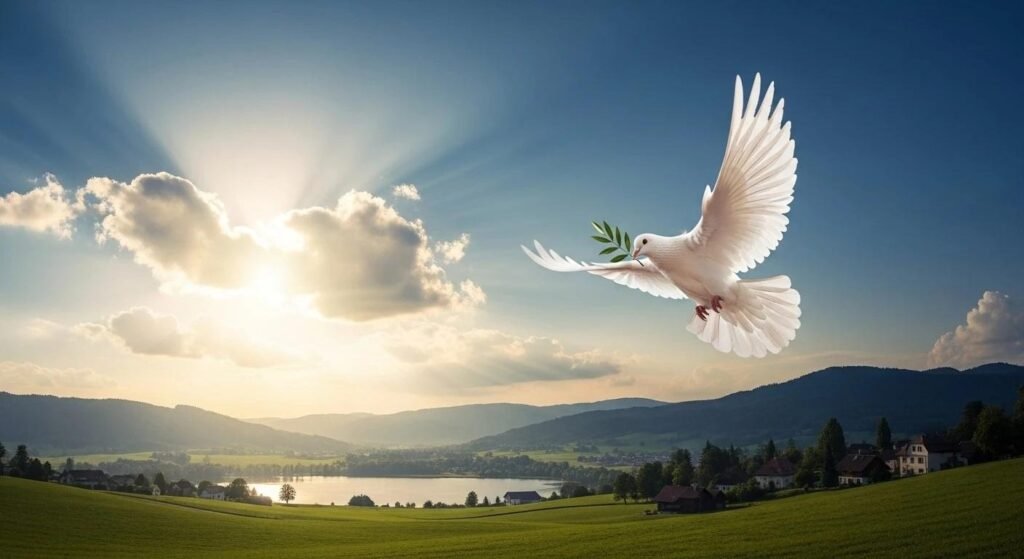
Doves are also associated with peace, partly because of biblical traditions surrounding the dove and the end of the flood in the story of Noah. The olive branch carried by the dove became an enduring visual expression of reconciliation and hope.
Not every bird has a fixed Christian meaning, however. Eagles, ravens, and other birds may carry different associations depending on the passage, artwork, or theological interpretation.
Birds in Hindu Traditions
Birds appear in Hindu mythology, religious art, and philosophical storytelling.
Garuda, a powerful divine bird-like figure, is closely associated with Vishnu and is often understood as a symbol of strength, protection, and the defeat of harmful forces.
The peacock also has significant religious associations in India, including its connection with Kartikeya, also known as Murugan in several regional traditions. Saraswati, a goddess associated with learning and the arts, is frequently depicted with a swan or other bird imagery depending on the artistic tradition.
These representations illustrate how birds can embody divine attributes, convey religious teachings, and reinforce cultural identity.
Birds in Chinese and Japanese Traditions
In Chinese culture, the fenghuang is a mythical bird associated in various historical contexts with virtue, harmony, prosperity, and auspicious authority. It is not simply identical to the Western phoenix, even though the two are often compared.
In Japan, the crane has become a recognizable symbol of longevity and good fortune. The practice of folding paper cranes also carries associations with peace, remembrance, and hope, especially in modern Japanese cultural contexts.
These examples demonstrate that bird symbolism often develops through the interaction of folklore, artistic practice, historical events, and shared cultural memory.
Indigenous Bird Symbolism
Birds have important roles in many Indigenous knowledge systems, but there is no single, universal Indigenous interpretation.
Depending on the specific nation and tradition, particular birds may appear in creation narratives, clan identities, ceremonial practices, oral histories, or teachings about relationships with the natural world.
It is important not to attribute one community’s beliefs to all Indigenous peoples. Responsible interpretation identifies the particular community and tradition whenever possible and respects restrictions surrounding sacred knowledge.
4. The Symbolism of Different Bird Species
Different bird species inspire distinct symbolic associations because of their appearance, behavior, ecological roles, and established place in cultural traditions.
Dove Symbolism: Peace and Love
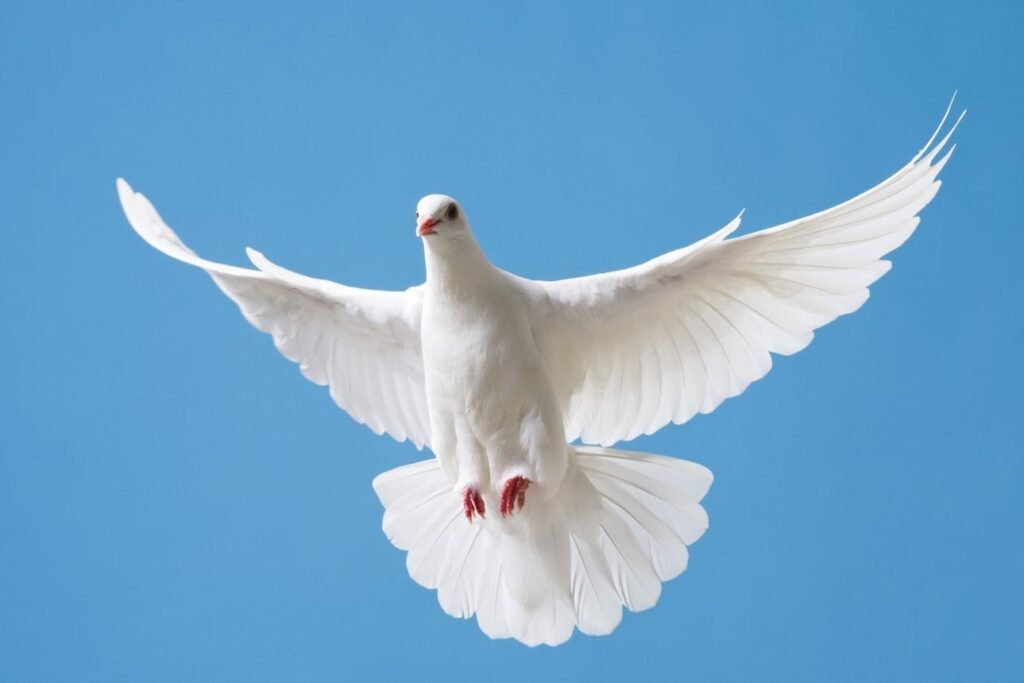
Doves commonly symbolize peace, gentleness, hope, and reconciliation. In Christian imagery, the dove also has a specific association with the Holy Spirit. White doves are frequently used in weddings, memorials, and peace-related artwork.
Eagle Symbolism: Strength and Leadership
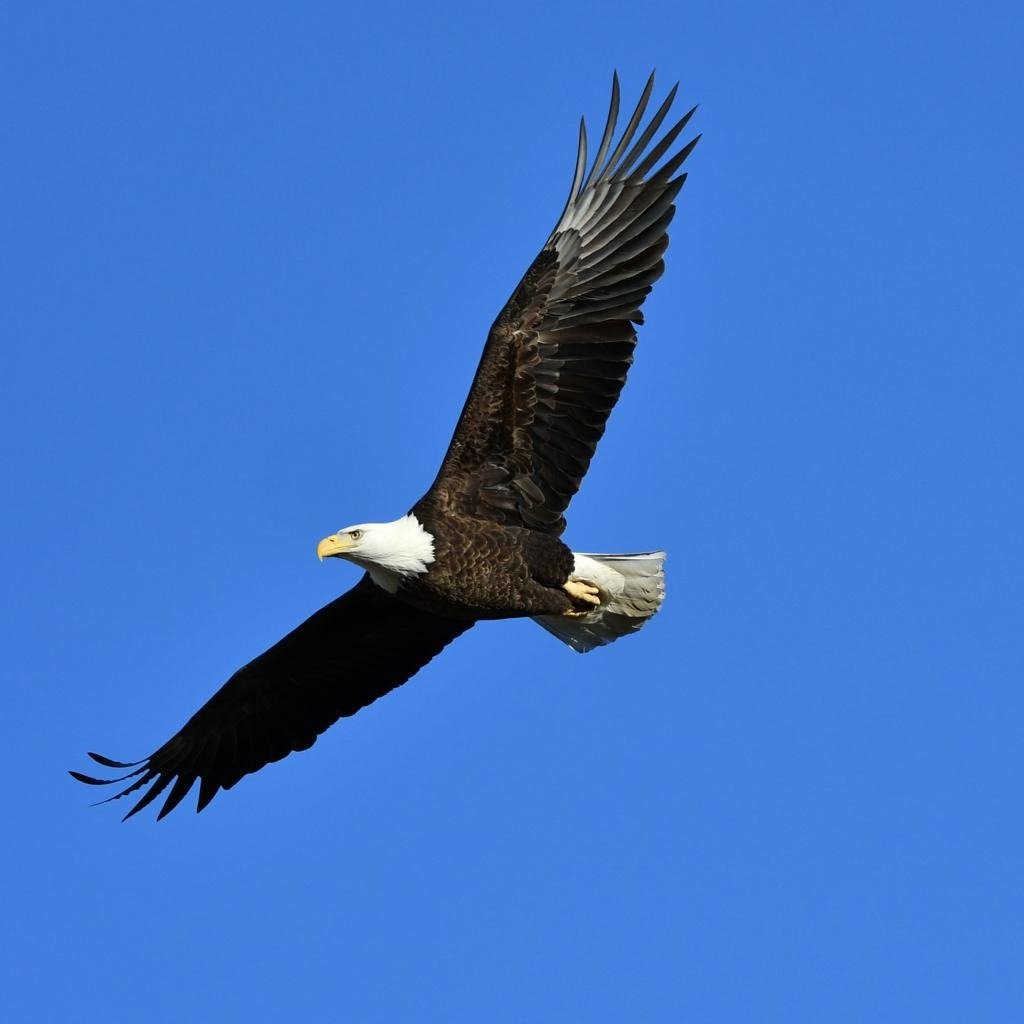
Eagles often represent power, courage, vision, independence, and authority. Their use in national emblems and military insignia reinforces these associations. The bald eagle, for example, is a national symbol of the United States.
Raven Symbolism: Mystery and Transformation
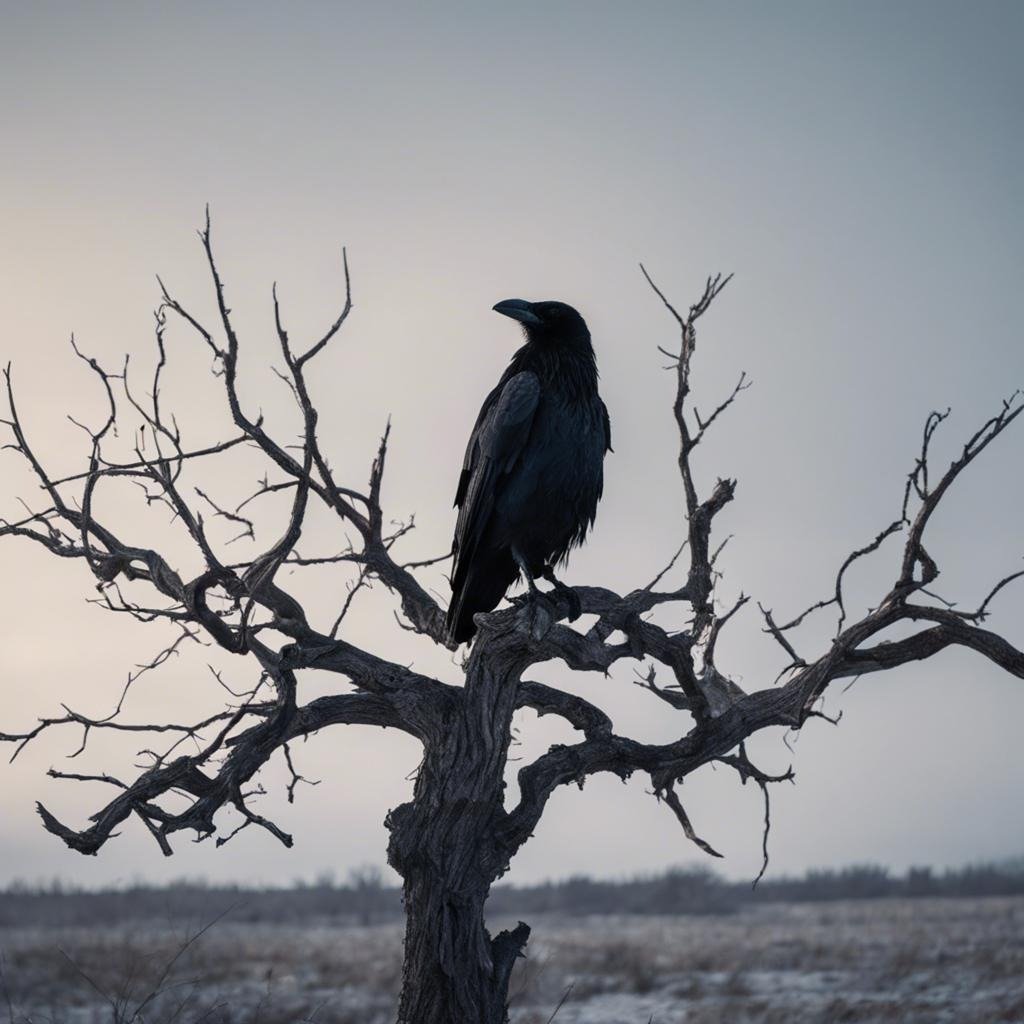
Ravens can symbolize intelligence, mystery, transformation, prophecy, or death. In Norse mythology, Odin’s ravens Huginn and Muninn are associated with thought and memory. In other traditions, ravens appear as creators, tricksters, or powerful figures in origin stories.
Owl Symbolism: Wisdom and Mystery
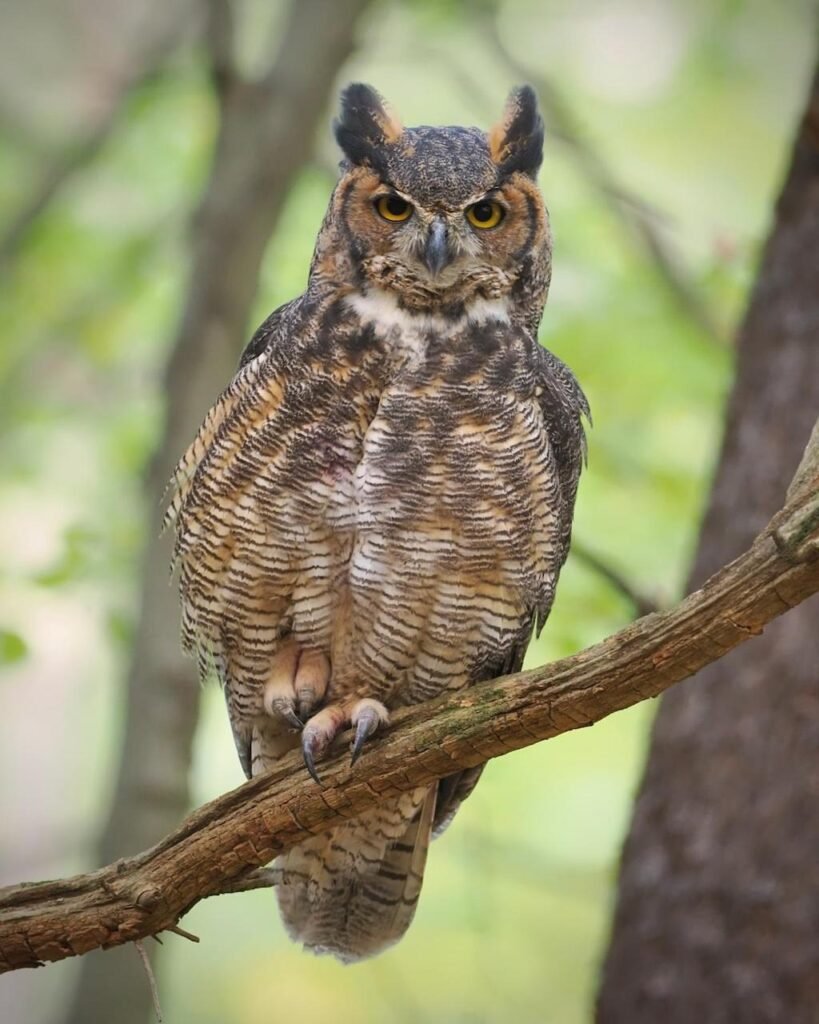
Owls often symbolize wisdom, observation, knowledge, and mystery. Their association with Athena helped establish the owl as an emblem of learning. However, some cultures associate particular owls with ill fortune or death, showing that their meanings are not universal.
Hummingbird Symbolism: Joy and Resilience
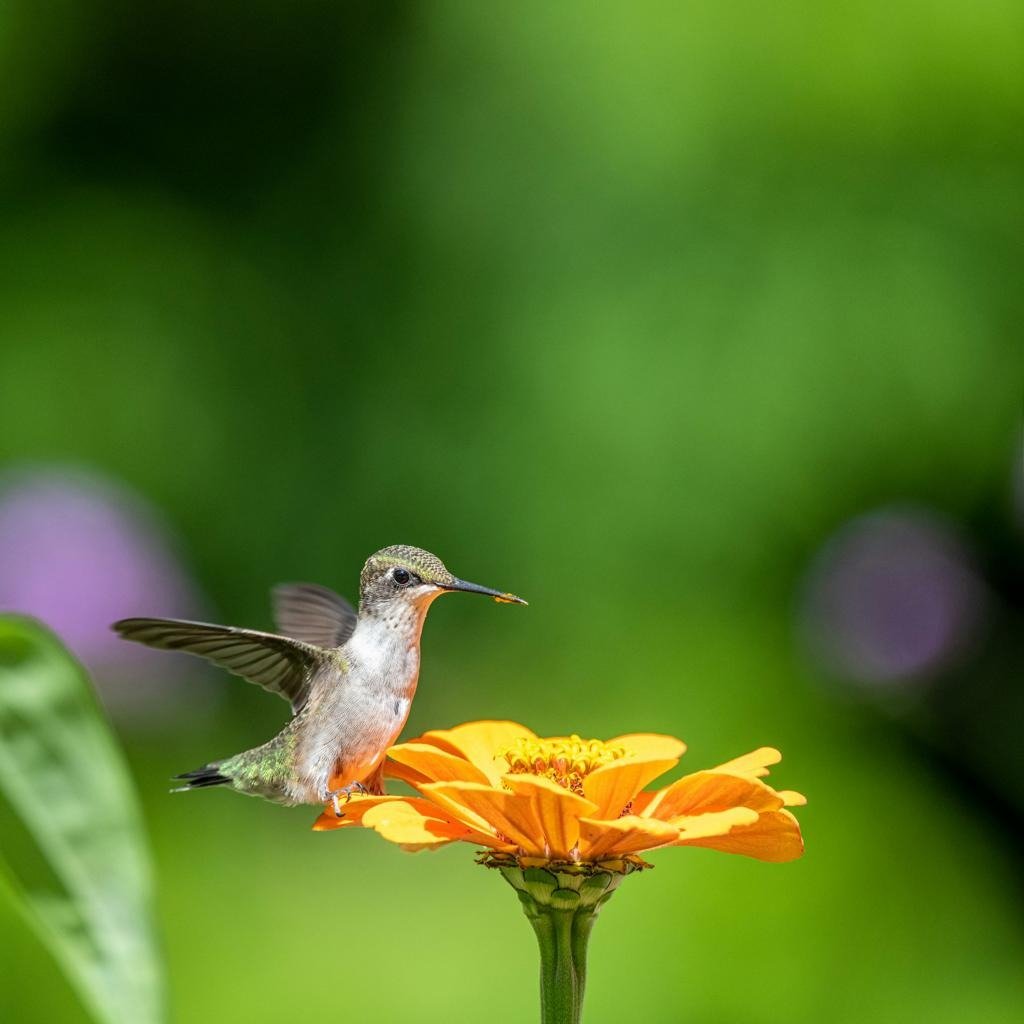
Hummingbirds are commonly interpreted as symbols of joy, vitality, adaptability, and appreciation of life’s small pleasures. Their rapid movement and ability to hover inspire metaphors for energy and persistence. Specific cultural meanings vary by region and tradition.
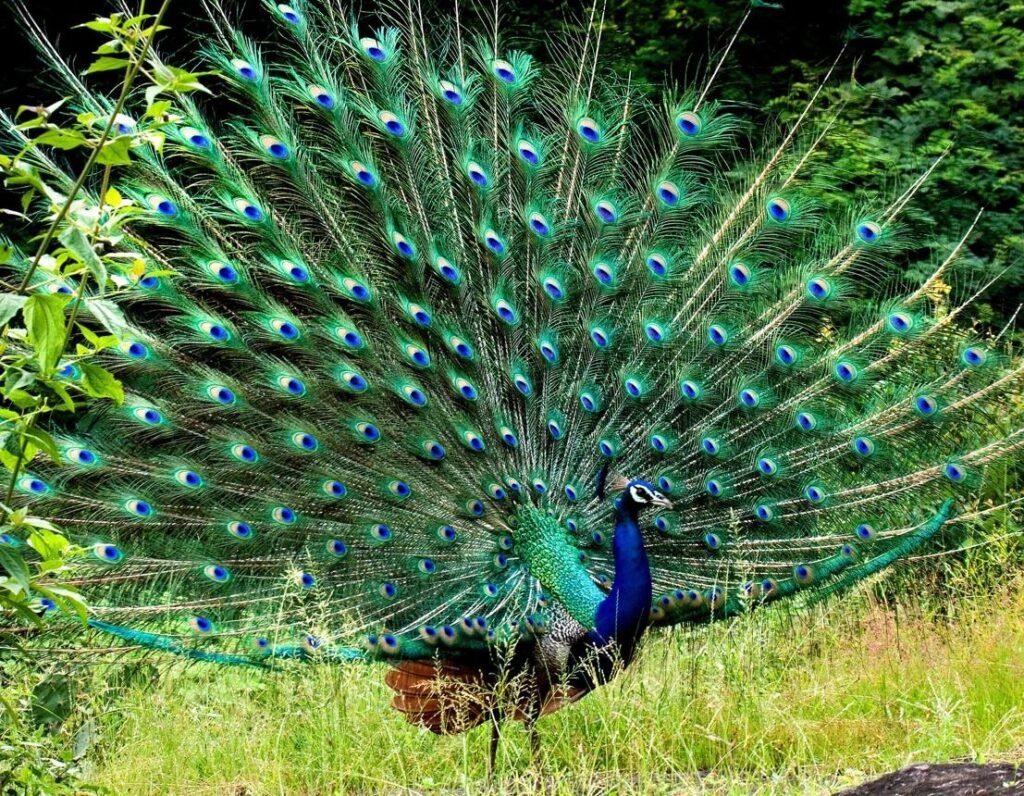
Peacock Symbolism: Beauty and Renewal
Peacocks often symbolize beauty, pride, abundance, dignity, and immortality in particular religious and artistic traditions. Their striking feathers make them popular decorative motifs, although their meaning depends on context.
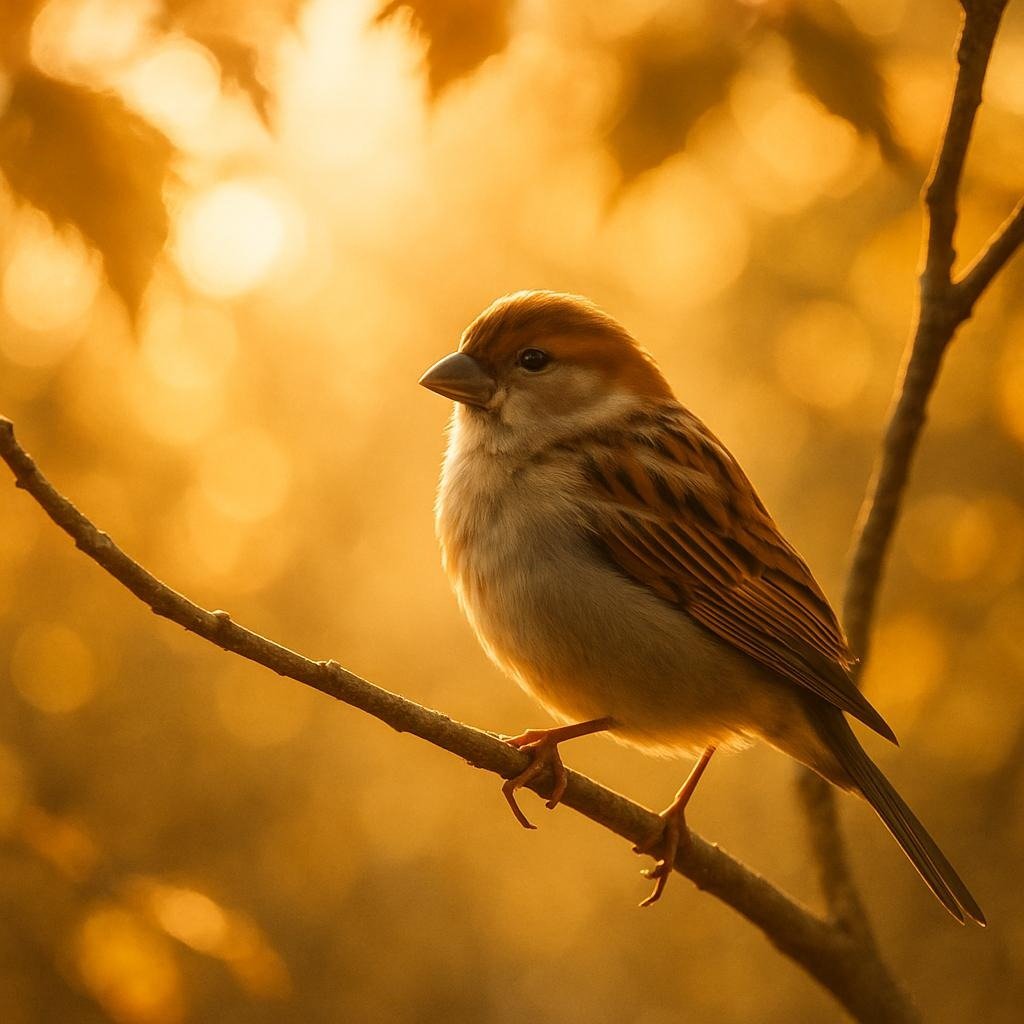
Sparrow Symbolism: Simplicity and Belonging
Sparrows can symbolize humility, community, everyday resilience, and the value of ordinary life. Their presence near human homes makes them familiar subjects in folk traditions, poetry, and religious writing.

Swan Symbolism: Grace and Transformation
Swans often represent grace, beauty, devotion, and transformation. Their role in myths, fairy tales, and ballet has made them powerful artistic symbols. In some South Asian religious and philosophical contexts, the swan carries additional associations with discernment and spiritual understanding.
Quick Comparison of Bird Meanings
| Bird | Common symbolic meaning | Related themes |
| Dove | Peace | Reconciliation, love |
| Eagle | Strength | Leadership, vision |
| Raven | Mystery | Intelligence, transformation |
| Owl | Wisdom | Knowledge, observation |
| Hummingbird | Joy | Resilience, vitality |
| Peacock | Beauty | Pride, abundance |
| Sparrow | Humility | Community, simplicity |
| Swan | Grace | Devotion, transformation |
| Crow | Intelligence | Adaptability, mystery |
| Falcon | Focus | Precision, ambition |
| Robin | Renewal | Spring, new beginnings |
| Crane | Longevity | Good fortune, hope |
The table describes common symbolic associations rather than fixed definitions. A species may represent different things in different stories, communities, and personal experiences.
5. The Psychological Meaning of Birds
Bird symbolism also has a psychological dimension. People often use familiar animals to express feelings, aspirations, fears, and experiences that are difficult to communicate directly.
A bird may become a mental image of freedom for someone who feels restricted, while another person may associate the same bird with childhood memories or a meaningful relationship.
Why Humans Connect Birds With Emotions
Several factors help explain why birds are effective symbols:
- Perception and movement: Flight naturally lends itself to metaphors of freedom, escape, and possibility.
- Emotional association: A bird encountered during an important life event may become linked with that memory.
- Cultural learning: Stories, films, religious teachings, and family traditions shape how people interpret particular species.
- Pattern recognition: Humans naturally look for patterns and meaning in their surroundings, sometimes finding personal significance in events that have no demonstrated hidden cause.
- Shared visual conventions: Repeated images, such as the dove of peace, allow people to recognize a message quickly.
Psychological interpretation does not mean that every symbolic association has a universal biological basis. Culture, learning, individual experience, and context all influence meaning.
Birds as Symbols of Personal Transformation
A bird emerging from an egg, spreading its wings, or beginning a migration can serve as a metaphor for personal development.
For example, someone starting a new career might choose a bird image to represent independence and confidence. A person recovering from a difficult experience might find meaning in imagery of flight or returning birds.
In these situations, the symbol works as a tool for reflection. It helps a person express an intention, organize an experience, or communicate a change in identity.
Expert Tip: When interpreting a bird symbol, ask what the image means to the person using it rather than assuming that a dictionary definition explains the entire experience.
6. Birds in Art, Literature, and Mythology
Birds have been central to storytelling because they can perform several symbolic functions at once. They can represent a character’s emotional state, foreshadow an event, establish a setting, or connect a human story with larger themes such as mortality, freedom, and the natural world.
Birds in Literature
Writers use birds to develop atmosphere and communicate complex ideas without lengthy explanation.
A caged bird may represent oppression or a longing for freedom. A songbird can express beauty, innocence, or vulnerability. A raven may create an atmosphere of uncertainty or become a figure through which a writer explores grief and memory.
Maya Angelou’s poem Caged Bird, for example, uses the contrast between a free bird and a confined bird to explore freedom, restriction, and the desire for liberation.
In Edgar Allan Poe’s The Raven, the bird contributes to the poem’s atmosphere of mourning, repetition, and psychological distress. Its significance emerges through the poem’s structure and the narrator’s responses, not simply from a universal definition of ravens.
These examples show how literary symbolism depends on the relationship between an image, its narrative setting, and the work’s wider themes.
Birds in Visual Art
8
Artists use birds to express religious beliefs, political identities, beauty, mortality, and human relationships with nature.
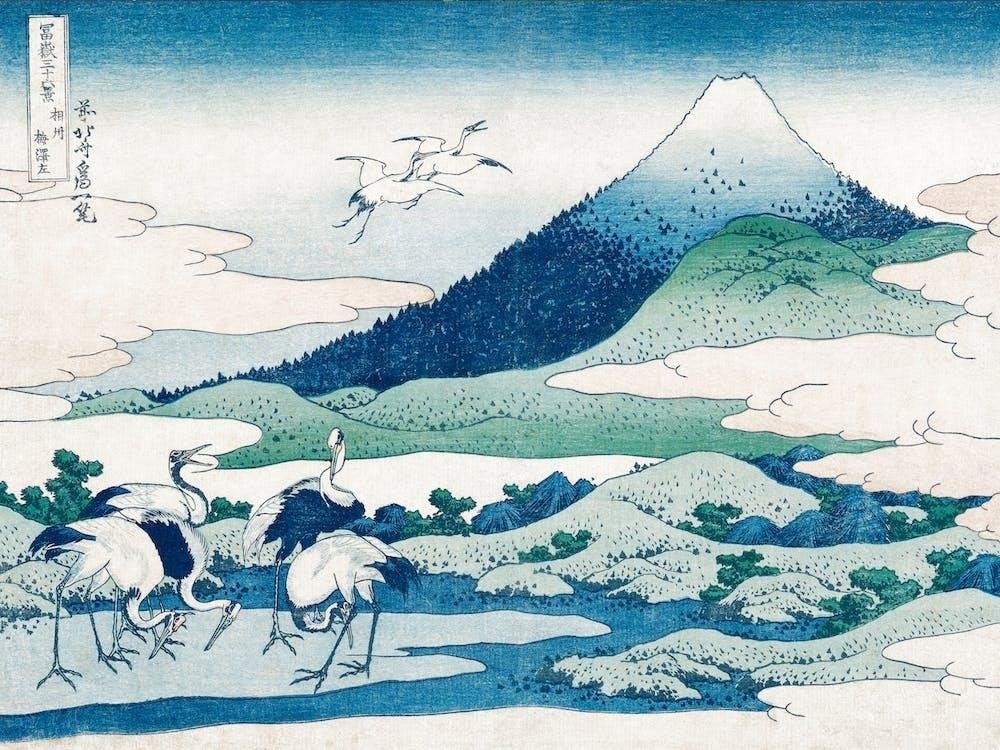
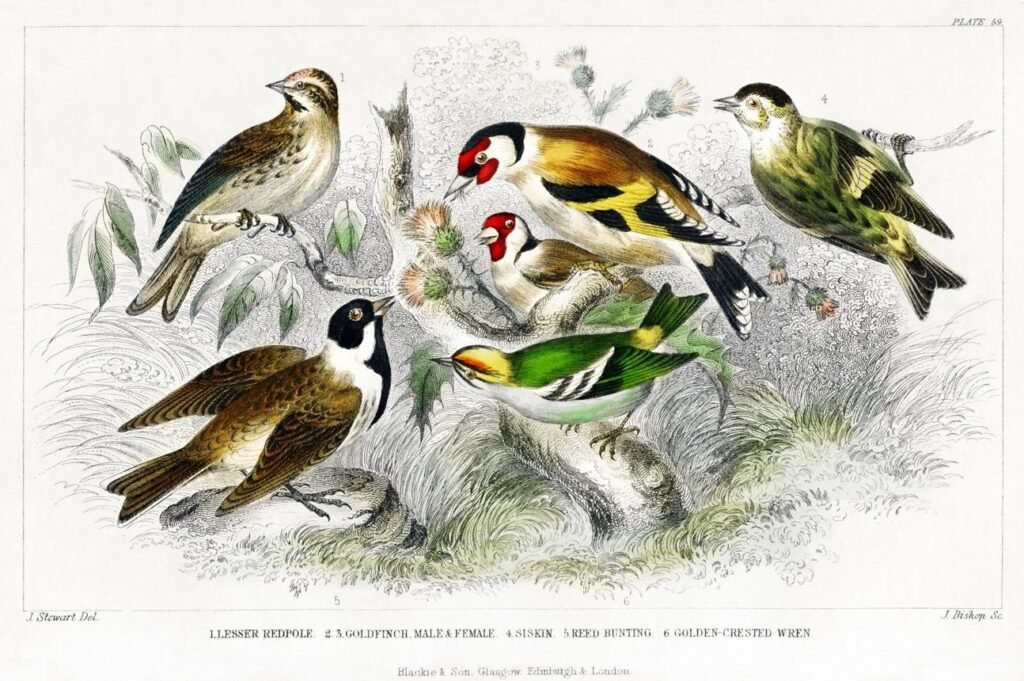
In Christian paintings, a dove may indicate divine presence or peace. In East Asian decorative arts, cranes may communicate longevity or good fortune. In natural history illustration, detailed depictions of birds can emphasize scientific observation, biodiversity, and the beauty of the natural world.
The same bird can also have different functions within a single artwork. An eagle might be a realistic animal in a landscape, an emblem of political power, or a metaphor for an individual’s ambition.
To interpret a bird in a painting, consider its position, color, surrounding objects, historical period, and the intended audience.
Birds in Mythology and Folklore
Myths and folktales often use birds to explore the boundaries between ordinary and extraordinary experience.
- The phoenix: A mythical bird associated with renewal, rebirth, and cycles of destruction and restoration.
- Garuda: A powerful divine bird-like figure in Hindu and Buddhist traditions, with meanings shaped by the specific religious and artistic context.
- The thunderbird: A powerful figure in certain Indigenous North American traditions, with meanings and stories that differ among peoples.
- The raven: A figure appearing in numerous traditions, including some stories of creation, transformation, intelligence, and trickery.
- The owl: A figure connected with wisdom in some traditions and with danger or death in others.
These figures should not be treated as interchangeable examples of one worldwide mythology. Each belongs to a particular set of narratives, practices, and cultural histories.
7. Bird Symbolism in Colors
Color adds another interpretive layer to bird symbolism. A bird’s color may reinforce a familiar association, but it can also change the tone of an image.
| Bird color | Common symbolic associations | Important context |
| White | Peace, purity, hope | Religious and ceremonial traditions |
| Black | Mystery, mourning, authority | Depends on species and cultural associations |
| Red | Passion, vitality, courage | May also communicate warning or danger |
| Blue | Calm, freedom, spirituality | Often shaped by artistic convention |
| Gold | Achievement, prosperity, prestige | Common in decorative and emblematic imagery |
| Green | Renewal, nature, growth | Can reflect the bird’s natural habitat or stylized design |
Color psychology does not establish a universal symbolic meaning for every color. A white dove and a black raven have familiar associations in some settings, but the bird species, narrative, and cultural tradition are just as important as the color itself.
How Color Changes a Bird’s Message
Imagine a logo featuring a bird in flight.
- A blue bird might communicate calm, trust, or openness.
- A red bird might suggest energy, courage, or urgency.
- A golden bird might convey achievement, distinction, or luxury.
- A white bird might evoke peace, simplicity, or a spiritual theme.
These are design possibilities rather than guaranteed psychological responses. Audience expectations, surrounding colors, typography, and the organization’s identity affect how the image is interpreted.
8. Bird Symbolism in Modern Life, Branding, and Digital Communication
Bird symbolism remains relevant because visual communication often needs to convey a complicated idea in a recognizable form.
Branding and Business
Businesses use bird imagery to communicate qualities such as speed, freedom, reliability, elegance, and ambition.
An eagle may suit a brand seeking to project strength. A hummingbird may fit a business emphasizing energy or agility. A dove might support an organization focused on peace or reconciliation.
The best choice depends on the brand’s audience and purpose. A symbol should support the actual product or mission rather than relying on a familiar association alone.
Tattoos and Personal Identity
Bird tattoos frequently represent freedom, remembrance, hope, independence, or a significant life transition.
A person might choose a swallow to represent travel or return, a raven to express fascination with mystery, or a dove to commemorate peace after a difficult experience.
However, tattoo meanings are personal. The wearer may have a specific memory or cultural connection that matters more than common symbolic interpretations.
Education and Public Communication
Bird imagery can make abstract concepts easier to communicate.
For example, a school might use an owl to represent learning, a conservation organization might feature a threatened bird to encourage habitat protection, and a public campaign might use a dove to communicate peace.
These images function as visual shorthand: the viewer recognizes the bird and connects it with a familiar idea.
Digital Media and Social Platforms
Birds also appear in illustrations, profile pictures, emojis, animations, and online identities. A soaring bird may communicate ambition, while a cartoon songbird may create a cheerful and approachable impression.
The meaning can change rapidly with context. A bird emoji in a personal message may be decorative, affectionate, humorous, or part of a specific cultural reference.
This illustrates a basic principle of semiotics: a symbol does not communicate in isolation. Meaning emerges through the relationship between the image, the sender, the audience, and the surrounding message.
9. Common Mistakes When Interpreting Bird Symbolism
Understanding bird symbolism becomes more reliable when readers avoid treating every association as a fixed rule.
Mistake 1: Assuming all cultures interpret birds identically. A bird associated with wisdom in one tradition may have very different associations elsewhere.
Mistake 2: Treating every bird encounter as a supernatural prediction. Some people interpret encounters spiritually, but ordinary bird behavior does not establish that a future event will occur.
Mistake 3: Confusing myths with zoological facts. A phoenix symbolizes renewal within mythology; it is not a scientifically documented species.
Mistake 4: Ignoring the species. An eagle, dove, raven, and sparrow have different ecological characteristics and cultural histories. Their meanings should not automatically be combined.
Mistake 5: Overlooking the surrounding context. A bird in a memorial, a national emblem, a religious painting, and a humorous cartoon may communicate very different messages.
Mistake 6: Assigning sacred meanings without cultural knowledge. When a symbol belongs to a particular religious or Indigenous tradition, it is important to consult appropriate sources and avoid presenting community-specific meanings as universal.
Myth vs. Fact
| Claim | More balanced interpretation |
| Every bird is a message from the spiritual world. | This is a spiritual belief, not an established scientific fact. |
| Ravens always symbolize death. | Ravens have diverse meanings, including intelligence, creation, mystery, and transformation. |
| Owls universally represent wisdom. | The association is influential but not universal. |
| Birds symbolize freedom because they can fly. | Flight provides a compelling metaphor, but meanings are shaped by culture and experience. |
| Bird symbolism is irrelevant in modern society. | Bird imagery remains common in literature, branding, religion, art, and public communication. |
10. Practical Applications: How to Interpret a Bird Symbol
You can interpret bird symbolism more thoughtfully by examining the image’s characteristics, cultural background, and purpose.
A Five Step Interpretation Method
- Identify the bird. Determine whether the image represents a dove, eagle, raven, owl, or another species. If uncertain, avoid assigning a species-specific meaning.
- Observe its behavior. Is the bird flying, nesting, singing, hunting, resting, or confined? The action may contribute to the message.
- Examine the setting. Consider whether the bird appears in a religious scene, literary work, national emblem, advertisement, dream, or everyday encounter.
- Research the cultural context. Look for reliable historical or cultural evidence instead of assuming that popular online interpretations apply everywhere.
- Consider personal meaning. Reflect on memories and feelings associated with the bird, while distinguishing personal interpretation from documented cultural tradition.
Example: Interpreting a Bird in Flight
Suppose a painting shows a small bird flying away from a dark forest toward an open sky.
A reasonable interpretation might connect the bird with freedom, escape, or hope. The dark forest could suggest uncertainty, while the open sky could imply opportunity.
However, this is an interpretation rather than an objectively proven meaning. If the painting belongs to a particular literary or religious tradition, additional research might reveal a more specific reference.
The strongest reading combines visible evidence, knowledge of the artwork’s context, and carefully qualified interpretation.
11. Did You Know? Interesting Facts About Bird Symbolism
- The dove and peace: The dove’s association with peace draws on biblical narratives and centuries of artistic tradition. It is now widely used in international peace imagery.
- The owl and wisdom: The owl’s association with Athena in ancient Greek tradition helped establish its enduring connection with learning and knowledge.
- The eagle and national identity: The bald eagle became the national bird of the United States and remains an important symbol of national identity.
- The phoenix and renewal: The phoenix is a mythical bird whose rebirth motif has made it a lasting metaphor for recovery and transformation.
- Bird migration and change: Seasonal bird movements have inspired metaphors of homecoming, journeys, endurance, and the passage of time.
- Birds and communication: Birdsong, calls, and visual displays are forms of animal communication. Humans have also adapted bird imagery to convey symbolic messages in art, stories, and public life.
These examples demonstrate how observable natural characteristics and cultural narratives can combine to produce powerful symbols.
12. Frequently Asked Questions About Birds Symbolism
1. What does bird symbolism mean spiritually?
Bird symbolism can represent freedom, hope, spiritual growth, renewal, wisdom, and a connection with the divine. Some traditions interpret birds as messengers or symbols of the soul. The precise meaning depends on the bird species, religious tradition, and personal beliefs rather than a single universal spiritual rule.
2. What do birds symbolize in different cultures?
Birds symbolize different qualities across cultures. Doves are widely associated with peace, owls with wisdom in some traditions, eagles with authority, and cranes with longevity and good fortune in relevant East Asian contexts. Ravens may represent intelligence, mystery, or transformation. These associations vary by community, historical period, and context.
3. Which bird symbolizes freedom?
Birds in flight commonly symbolize freedom because their ability to move through the sky provides a metaphor for independence and liberation. Eagles, swallows, and other flying birds frequently appear in imagery about personal growth, exploration, and overcoming limitations. However, the meaning depends on the specific artwork or cultural context.
4. What does it mean when you keep seeing the same bird?
Repeatedly noticing the same bird may prompt personal reflection or hold spiritual significance for someone who interprets encounters symbolically. The bird might remind you of a loved one, a meaningful event, or a personal goal. There is no established scientific rule that recurring bird sightings predict future events or carry a universal supernatural message.
5. What is the difference between a dove, raven, and owl symbolically?
A dove commonly represents peace, hope, and reconciliation. A raven can symbolize intelligence, mystery, transformation, or death, depending on the tradition. An owl often represents wisdom, knowledge, and observation, although it has different associations in some cultures. Their meanings come from a combination of natural characteristics, cultural traditions, and artistic representations.
6. Why are birds used so often in art, literature, and branding?
Birds are visually recognizable and offer rich metaphors for human experiences. Flight can suggest freedom, a dove can communicate peace, and an eagle can convey authority or ambition. Artists, writers, educators, and businesses use these associations to communicate complex ideas quickly. Effective interpretation still requires attention to the audience, cultural background, and intended message.
13. Key Takeaways About Bird Symbolism
- Freedom and hope: Birds in flight often represent independence, possibility, and new beginnings.
- Spiritual significance: Birds can symbolize the soul, divine communication, or spiritual development within particular belief systems.
- Cultural diversity: The meaning of a bird varies across religions, regions, communities, and historical periods.
- Species-specific meanings: Doves, eagles, owls, ravens, hummingbirds, and other birds carry different symbolic associations.
- Psychological connections: Personal memories, emotions, and cultural learning influence how people interpret bird imagery.
- Creative applications: Bird symbolism remains important in literature, visual art, architecture, branding, education, tattoos, and digital media.
- Context matters: A responsible interpretation distinguishes historical evidence, cultural tradition, personal belief, and scientific fact.
Conclusion: Why Bird Symbolism Still Matters
Bird symbolism reveals how humans transform observations of nature into meaningful cultural expressions.
From ancient religious imagery to contemporary branding, birds have represented freedom, wisdom, peace, authority, hope, and transformation.
Their ability to fly, migrate, sing, and adapt has provided generations of storytellers, artists, religious communities, and ordinary people with powerful ways to express human experiences.
Yet the symbolism of birds is not fixed. An owl may represent wisdom in one context and misfortune in another.
A raven may evoke mystery or death, while appearing as a creator or trickster in a different tradition.
A dove may communicate religious significance, personal remembrance, or international peace.
Understanding these differences makes bird symbolism more meaningful and accurate.
By considering species, historical background, cultural identity, psychology, and visual context, readers can better interpret the messages birds communicate in stories, art, religion, design, and everyday life.
Ultimately, birds symbolism continues to matter because it connects the natural world with human imagination.
It helps us express complex ideas through recognizable images, preserve cultural traditions, and reflect on the experiences that shape our lives.
14. Semantic SEO Entities, NLP Concepts, and LSI Keywords
The following terms represent the main semantic relationships covered in this article. They can also support relevant internal links and topic-cluster planning for a symbolism website.
Primary Keyword
– Birds symbolism
Secondary and Long Tail Keywords
- Bird symbolism meaning
- Spiritual meaning of birds
- Symbolism of different birds
- Birds as spiritual messengers
- Bird meanings across cultures
- Birds and freedom symbolism
- Birds in mythology and folklore
- Bird symbolism in literature
- Bird symbolism in art
- Bird symbolism in religion
- Psychological meaning of birds
- Meaning of birds in dreams
- Bird symbolism in branding
- Meaning of seeing the same bird repeatedly
- Cultural significance of birds
- Symbolic meaning of birds in flight
Important Semantic Entities
| Entity category | Related entities and concepts |
| Bird species | Dove, eagle, raven, crow, owl, hummingbird, peacock, sparrow, swan, crane, falcon, robin |
| Mythology | Phoenix, Garuda, Norse mythology, Greek mythology, Egyptian mythology |
| Religion and philosophy | Christianity, Hindu traditions, Buddhist traditions, ancient Roman religion, spiritual symbolism |
| Historical figures and deities | Athena, Horus, Odin, Vishnu, Kartikeya, Saraswati |
| Cultural concepts | Peace, freedom, wisdom, renewal, longevity, divine authority, transformation |
| Academic disciplines | Anthropology, semiotics, psychology, iconography, cultural history, religious studies |
| Creative disciplines | Literature, visual art, storytelling, architecture, branding, graphic design |
| Communication concepts | Visual communication, metaphor, symbolism, cultural identity, audience interpretation |
NLP Concepts and Topical Relationships
- Semantic relationships: Bird → freedom; dove → peace; owl → wisdom; eagle → authority; phoenix → renewal.
- Entity attributes: Species, color, behavior, habitat, cultural associations, religious context.
- Contextual synonyms: Avian symbolism, symbolic bird meanings, cultural bird imagery, bird-related metaphors.
- Topic clusters: Spiritual symbolism, cultural traditions, bird mythology, animal symbolism, symbolism in literature, color symbolism, religious iconography.
- Search-intent coverage: Definitions, individual bird meanings, cross-cultural comparisons, spiritual interpretations, historical origins, practical applications, and frequently asked questions.
- E-E-A-T considerations: Historical context, accurate attribution, cultural sensitivity, evidence-based explanations, and clear distinctions between established facts and symbolic beliefs.
For stronger topical coverage on a symbolism website, this article can connect to dedicated pages about dove symbolism, eagle symbolism, raven symbolism, owl symbolism, hummingbird symbolism, and animal symbolism. Each supporting article should provide distinct information rather than repeat the same general explanations.
Editorial note: This article is structured for SEO, semantic relevance, and reader comprehension. No article can be guaranteed a particular search ranking, and claims of being “AI-undetectable” cannot be reliably verified. Human review of historical details, cultural interpretations, and source accuracy remains an important part of publication preparation.

Explore folklore, anthropology, and global symbolism with Noah Whitmore’s research-based articles.
