Lizard Symbolism: What Does a Lizard Represent?
Lizard symbolism explores the meanings people associate with lizards, from adaptability and survival to renewal, awareness, and transformation.
These small reptiles have fascinated people across cultures because of their remarkable ability to navigate different environments, remain still for long periods, and, in many species, regrow a lost tail.
Whether a lizard appears in a dream, crosses your path, or becomes a recurring image in art and storytelling, its symbolism can offer an interesting way to reflect on change, resilience, and the relationship between humans and nature.
Lizards may look ordinary, but their symbolic associations are surprisingly diverse.
Some traditions connect them with regeneration and good fortune, while others associate them with caution, hidden knowledge, or the mysteries of the natural world.
Their meaning depends on the cultural setting, the species involved, and the personal experiences of the person interpreting them.
Understanding lizard symbolism means looking beyond a single spiritual explanation.
History, mythology, animal behavior, psychology, folklore, literature, and visual communication all contribute to the ways people understand these adaptable creatures.
What Is the Symbolism of a Lizard? (Featured Snippet Answer)
Lizard symbolism commonly represents adaptability, survival, renewal, awareness, patience, and transformation. Because many lizards can shed their tails and some can regenerate them, they are often associated with recovery and resilience. Their symbolic meaning varies across cultures, spiritual traditions, and personal experiences, so a lizard does not have one universal meaning or guaranteed spiritual message.
What Does a Lizard Symbolize?
A lizard most commonly symbolizes the ability to adapt, protect oneself, recover from setbacks, and respond carefully to changing circumstances. Its physical characteristics provide a natural starting point for understanding these associations.
Unlike symbols whose meanings depend mainly on written traditions, lizard symbolism often draws on observable animal behavior. People notice how lizards bask in sunlight, disappear into crevices, change their position rapidly, and sometimes detach their tails when threatened. These characteristics can become metaphors for human experiences.
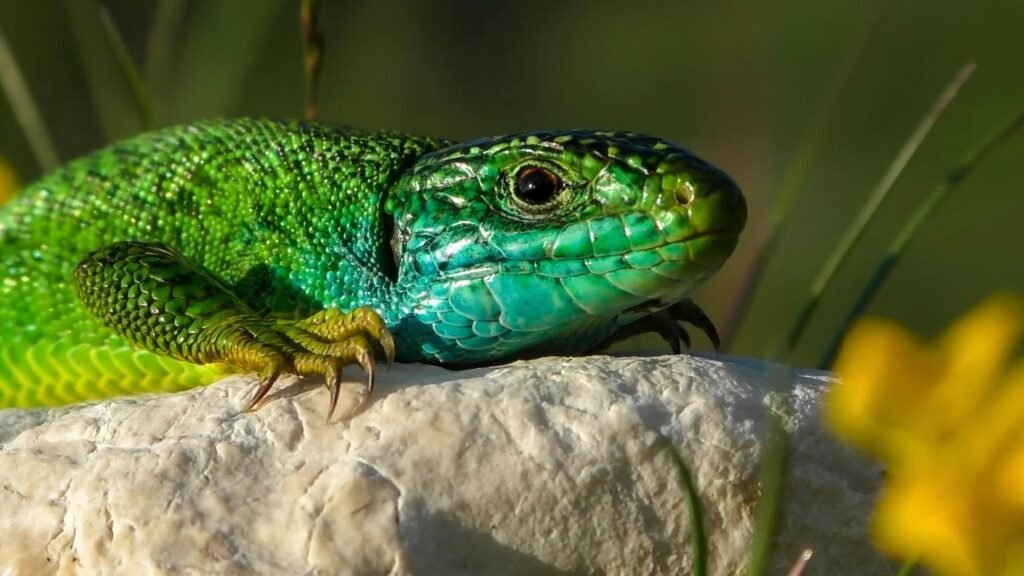
1. Adaptability
Lizards inhabit a wide range of environments, from forests and grasslands to deserts and urban gardens. Symbolically, they can represent flexibility, resourcefulness, and the ability to adjust when circumstances change.
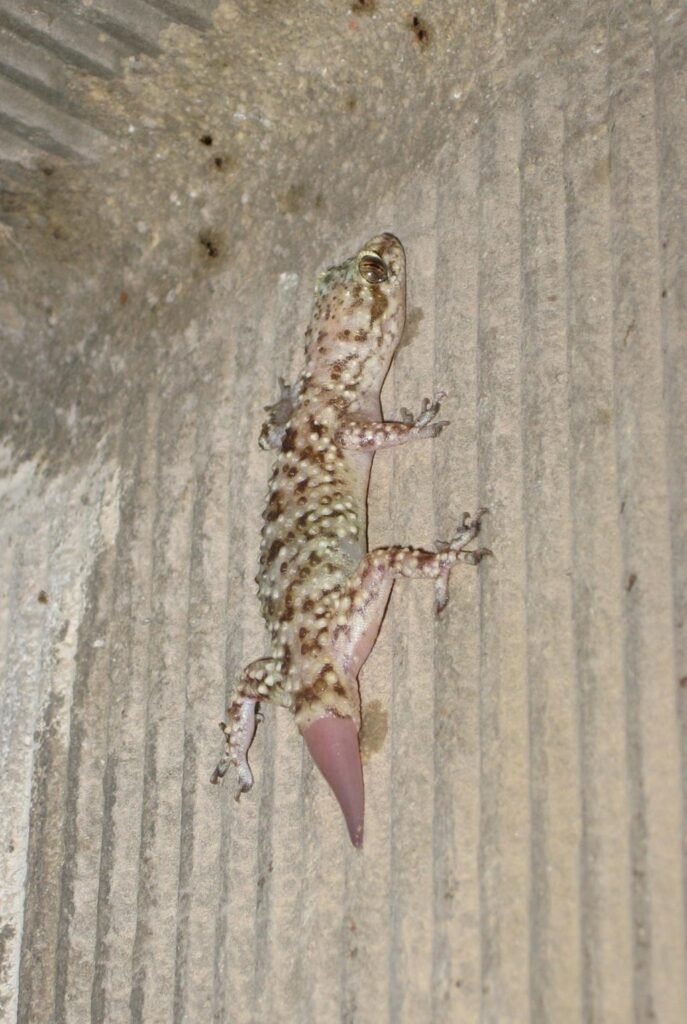
2. Renewal and recovery
Many lizards can shed their tails as a defense mechanism, and some species can regenerate a replacement. This remarkable ability inspires associations with healing, recovery, and beginning again after a difficult experience.
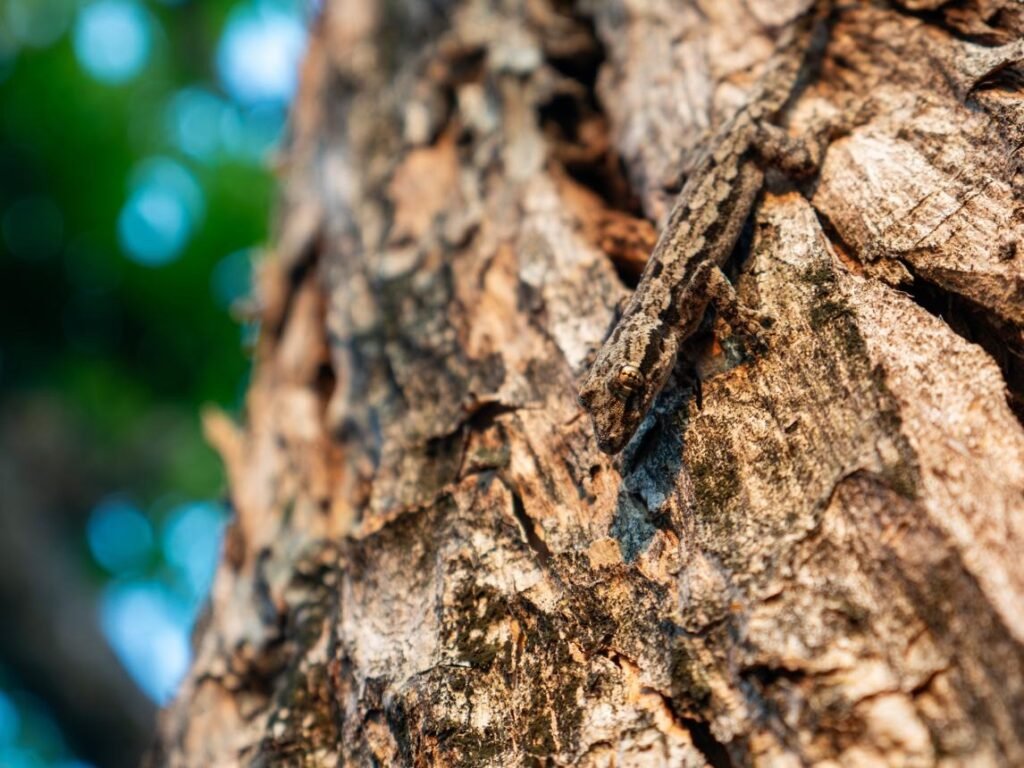
3. Awareness and observation
A lizard that pauses before moving can evoke attentiveness and careful decision-making. Its camouflage can also symbolize discretion, privacy, and the value of observing a situation before acting.
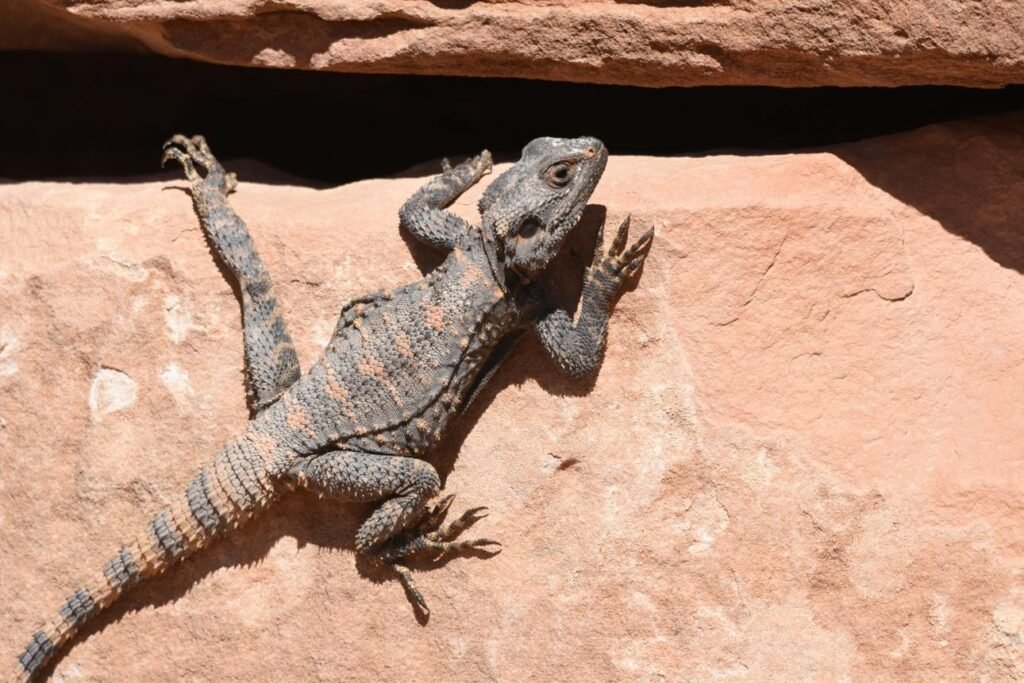
4. Resilience and survival
Many lizards are well adapted to challenging conditions. As a metaphor, they can represent perseverance, practical intelligence, and the ability to make the best of available resources.
These meanings are interpretations rather than universal rules. A lizard may represent courage to one person and caution to another. Its symbolism becomes more meaningful when considered alongside the situation in which it appears.
The Historical Origins of Lizard Symbolism
Lizard symbolism developed through human observation of reptiles, their presence in local environments, and the stories communities built around the natural world. Lizards are ancient animals, but the symbolic meanings attached to them differ across societies and historical periods.
Lizards in Ancient Civilizations
In ancient societies, animals frequently appeared in religious imagery, decorative objects, folklore, and accounts of the natural world. Reptiles could inspire curiosity, fear, admiration, or associations with particular landscapes.
Lizards’ ability to remain motionless and then move quickly may have made them compelling images of alertness and sudden action. Their relationship with warm rocks, sunlight, and sheltered spaces also connected them to everyday observations of heat, habitat, and survival.
However, it is important not to assume that every ancient civilization assigned lizards the same meaning. The significance of a reptile depended on local beliefs, artistic conventions, environmental conditions, and the role of animals in community life.
Lizard Symbolism in Ancient Egypt
Ancient Egyptian art and religious culture included a rich variety of animal imagery. Lizards appear in Egyptian visual and written material, but their presence should not automatically be interpreted as evidence of a single, universal lizard deity or a fixed spiritual meaning.
A careful interpretation considers the specific object, text, artistic context, and historical period. In some cases, small animals in Egyptian imagery served descriptive or decorative functions rather than representing major religious concepts.
For modern readers, the broader lesson is that animal symbolism requires context. An image of a lizard can be meaningful without necessarily having one established religious interpretation.
Lizards in Greek and Roman Traditions
In the ancient Mediterranean world, lizards were part of the everyday natural environment and appeared in literature, art, and discussions of animals. Classical natural-history writers recorded observations about animal behavior, although ancient explanations sometimes mixed direct observation with beliefs that would not meet modern scientific standards.
The lizard’s association with warmth and its habit of resting in sunny places can support modern symbolic readings involving vitality, stillness, and the rhythms of nature. These are useful interpretations, but they should not be confused with a single, universally accepted ancient Greek or Roman doctrine.
From Folklore to Modern Symbolism
As stories and images traveled through trade, migration, literature, and later mass media, animal symbols acquired new meanings. A lizard could be understood as a practical household visitor, a creature of the wilderness, an object of superstition, or an emblem of survival.
Today, lizard symbolism appears in spiritual writing, tattoos, decorative art, popular culture, environmental education, and personal reflection. Its continued appeal comes partly from the ease with which its visible characteristics can be translated into human experiences.
Spiritual Meaning of a Lizard
The spiritual meaning of a lizard is often associated with adaptability, personal renewal, heightened awareness, and the ability to navigate periods of change. In contemporary spiritual interpretations, encountering a lizard may serve as a prompt to reflect on your surroundings, habits, and response to uncertainty.
These interpretations belong to the realm of spiritual belief and personal meaning. There is no scientific evidence that a lizard’s appearance necessarily predicts an event or delivers a supernatural message.
1. Transformation and Personal Growth
A lizard can symbolize transformation because its life cycle and defensive adaptations offer vivid metaphors for change. Some species shed their skin as they grow, while many can detach their tails under threat.
In a personal or spiritual context, these behaviors can inspire questions such as:
- What habits or assumptions am I ready to reconsider?
- Am I resisting a change that could help me grow?
- How can I recover after a difficult experience?
- What would it mean to adapt without losing my identity?
The lizard becomes a symbol of the possibility of moving forward without pretending that the past never happened.
2. Intuition and Awareness
Lizards often remain alert to their surroundings, responding to movement, temperature, and potential threats. Symbolically, this behavior can represent paying attention to subtle details and recognizing when circumstances require a different response.
If a lizard catches your attention during a reflective moment, you might use the encounter as a reminder to slow down and observe. This does not mean the animal has supernatural knowledge about your life; rather, its presence can become a meaningful prompt for self-examination.
3. Protection and Boundaries
Some lizards use camouflage, hiding places, or tail autotomy to escape predators. These behaviors can inspire symbolism related to self-protection, discretion, and healthy boundaries.
The lesson is not that avoiding every difficulty is beneficial. Instead, lizard symbolism can encourage you to distinguish between situations that deserve direct engagement and those in which stepping back is the wiser choice.
4. Patience and Timing
A lizard may remain still for an extended period before moving. This can serve as a metaphor for patience, preparation, and waiting for a suitable opportunity.
In everyday life, this interpretation may be relevant when considering a career change, starting a project, or making a difficult decision. Sometimes careful observation is more useful than immediate action.
5. Renewal After Loss
A lizard’s capacity to shed its tail and, in many species, regenerate part of it makes renewal one of its most compelling symbolic associations.
The metaphor has an important limitation: regeneration is not the same as restoring everything exactly as it was. Regrown tails may differ from the original, and regeneration varies by species. Symbolically, this can suggest that recovery sometimes creates a new version of life rather than returning a person to an earlier state.
Lizard Symbolism Across Different Cultures
Lizards do not have one worldwide symbolic meaning. Their roles in cultural stories, spiritual practices, and art depend on local environments, Indigenous knowledge, religious traditions, and historical circumstances.
The following table offers broad interpretive directions rather than claiming that every community within a region shares the same beliefs.
| Cultural context | Possible associations | Important qualification |
| Aboriginal Australian traditions | Particular reptiles may be significant in ancestral narratives, land relationships, and ecological knowledge. | Meanings differ among distinct Aboriginal peoples and language groups. |
| Ancient Egyptian material culture | Lizards appear in visual and written representations of the natural world. | Their presence does not establish a single universal religious meaning. |
| Ancient Greek and Roman natural history | Lizards feature in observations of animals and their environments. | Natural-history accounts and later symbolic interpretations are not interchangeable. |
| South Asian traditions | Lizards appear in regional folklore and household omens, including beliefs about their calls or movements. | Practices and interpretations vary by region, language, and community. |
| East and Southeast Asian folklore | Local lizards and geckos may feature in stories and household beliefs. | There is no single shared interpretation across these diverse societies. |
| Contemporary Western spiritual writing | Lizards are often associated with adaptability, regeneration, awareness, and change. | These are modern interpretive conventions, not universal historical facts. |
Lizard Symbolism in Aboriginal Australian Traditions
Reptiles can hold important places in the knowledge systems, stories, and relationships with Country of Aboriginal Australian peoples. In particular traditions, animal beings may be connected with ancestral narratives, landscapes, responsibilities, and ecological understanding.
It would be inaccurate, however, to describe lizard symbolism as having one meaning across all Aboriginal Australian cultures. There are many distinct peoples, languages, and traditions, and some cultural knowledge is specific to particular communities.
When writing or interpreting a lizard motif from an Aboriginal Australian context, the most responsible approach is to identify the specific people and source of the tradition rather than applying a generalized spiritual meaning.
Lizard Symbolism in South Asian Folklore
In parts of South Asia, household lizards and geckos appear in traditional omen systems. Some folk practices attach significance to a lizard’s call, movement, or location, sometimes interpreting these events in relation to fortune or future happenings.
Such beliefs are part of regional folklore rather than scientifically established methods of predicting the future. Their meanings may vary according to local customs, family traditions, and the particular omen system being consulted.
This distinction matters because a belief can be culturally significant without being a verified prediction. Understanding the tradition provides insight into how communities interpret everyday events.
Lizards in East and Southeast Asian Traditions
Geckos and other small lizards are familiar animals in many parts of East and Southeast Asia. Their presence in homes and gardens can make them natural subjects for household stories, local beliefs, and artistic representations.
Some contemporary interpretations emphasize good fortune, protection, or adaptability, but these associations should not be attributed indiscriminately to entire countries or cultural groups.
For example, a gecko motif in a modern decorative object might communicate tropical identity, a connection to nature, or a designer’s personal interest in wildlife rather than an inherited religious meaning.
Lizards in Contemporary Western Spirituality
Modern spiritual publications frequently interpret lizards as symbols of regeneration, sensitivity, survival, and transformation. These readings often begin with observable characteristics and extend them into metaphors for personal development.
A lizard appearing in a garden, for example, might remind someone to become more adaptable during a transition. Another person might simply enjoy seeing local wildlife.
Both responses are valid personal experiences. Neither establishes that lizards have a universal spiritual message.
Lizard Symbolism in Dreams
Dreams involving lizards are often interpreted through themes such as adaptability, vulnerability, observation, and change. However, there is no reliable scientific method for assigning one fixed meaning to every lizard dream.
Dream interpretation is most useful when it considers the dreamer’s emotional response, personal associations, and recent experiences rather than treating an animal as a universal code.
What Does It Mean to Dream About a Lizard?
A lizard dream may provide an opportunity to reflect on a situation in which you feel cautious, adaptable, exposed, or ready for change.
Consider these possible interpretations:
- A calm lizard: May represent observation, patience, or comfort with your surroundings.
- A running lizard: Could reflect a desire to avoid conflict or respond quickly to pressure.
- A lizard hiding: May invite reflection on privacy, uncertainty, or something you have not yet addressed.
- A lizard shedding its skin: Can serve as a metaphor for changing habits or developing a new identity.
- A lizard losing its tail: May prompt reflection on sacrifice, boundaries, or recovery after a loss.
- A lizard entering your home: Might bring attention to domestic concerns, personal space, or your feelings about an unexpected change.
These are reflective possibilities, not established dream meanings or predictions.
Does Seeing a Lizard in a Dream Mean Good Luck?
Not necessarily. Some spiritual traditions and popular interpretations associate lizards with luck, renewal, or opportunity, while other people experience them as frightening or unpleasant.
Your emotional response is a useful starting point. If the dream felt reassuring, ask what currently gives you confidence. If it felt threatening, consider whether an unresolved concern is occupying your attention.
Dreams can be personally meaningful without functioning as forecasts of future events.
What Does It Mean When a Lizard Crosses Your Path?
When a lizard crosses your path, its symbolic meaning depends on your beliefs and the significance you attach to the encounter. In modern spiritual interpretations, people sometimes view the event as a reminder to adapt, pay attention, or reconsider their next move.
There is no established evidence that a lizard crossing your path predicts good luck, bad luck, financial success, or a particular life event.
You can still use the experience constructively:
- Notice what you were thinking about when the encounter happened.
- Consider whether adaptability or patience would help with a current challenge.
- Reflect on the animal’s actual behavior and habitat.
- Treat any personal interpretation as an invitation to think, not a command to act.
Expert Tip: If an encounter feels personally significant, separate the observable event from the meaning you assign to it. The lizard’s behavior is something you can observe; the spiritual lesson you draw from it is a matter of interpretation.
Different Types of Lizards and Their Symbolic Meanings
Different lizards have different appearances, habitats, and behaviors. These differences can inspire distinct symbolic interpretations, although the associations below are interpretive rather than fixed meanings established by science or shared by every culture.
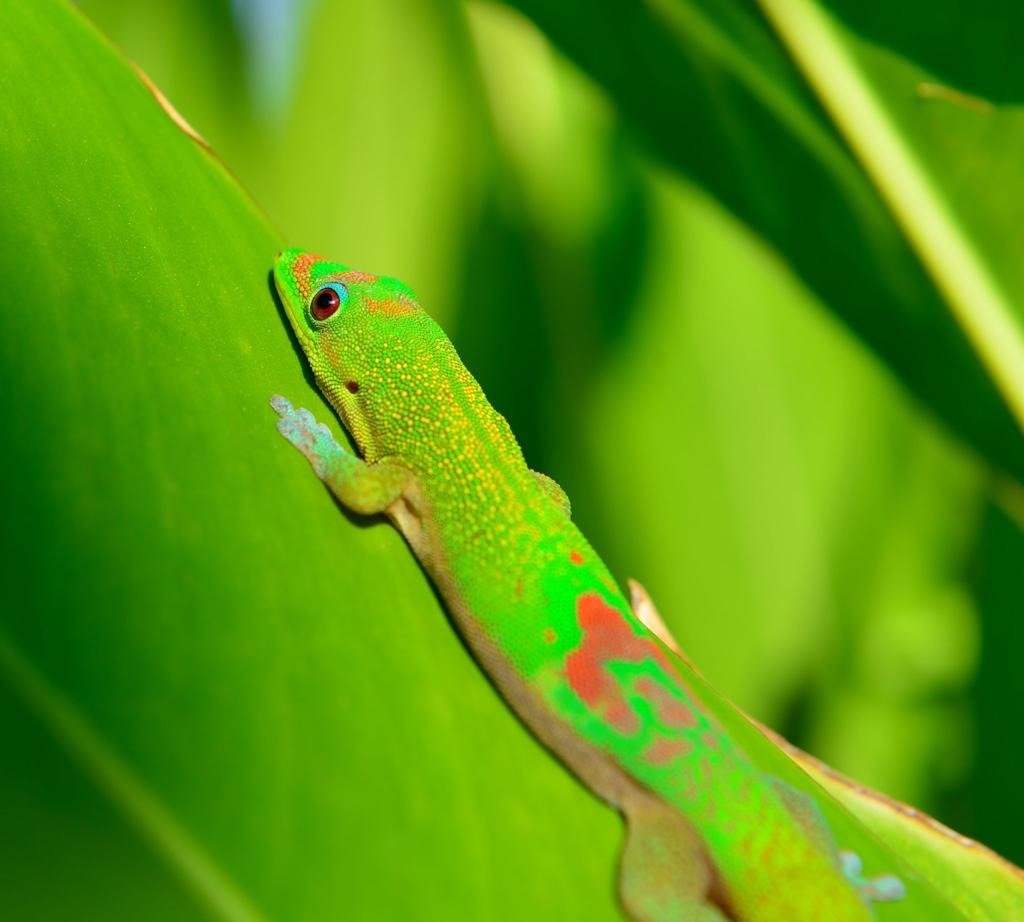
Gecko symbolism: connection and adaptability
Geckos are known for their climbing abilities and their presence in many human environments. Symbolically, they can represent flexibility, resourcefulness, and the ability to navigate unfamiliar surroundings. Their appearance in a home can also prompt reflections on coexistence with nature.
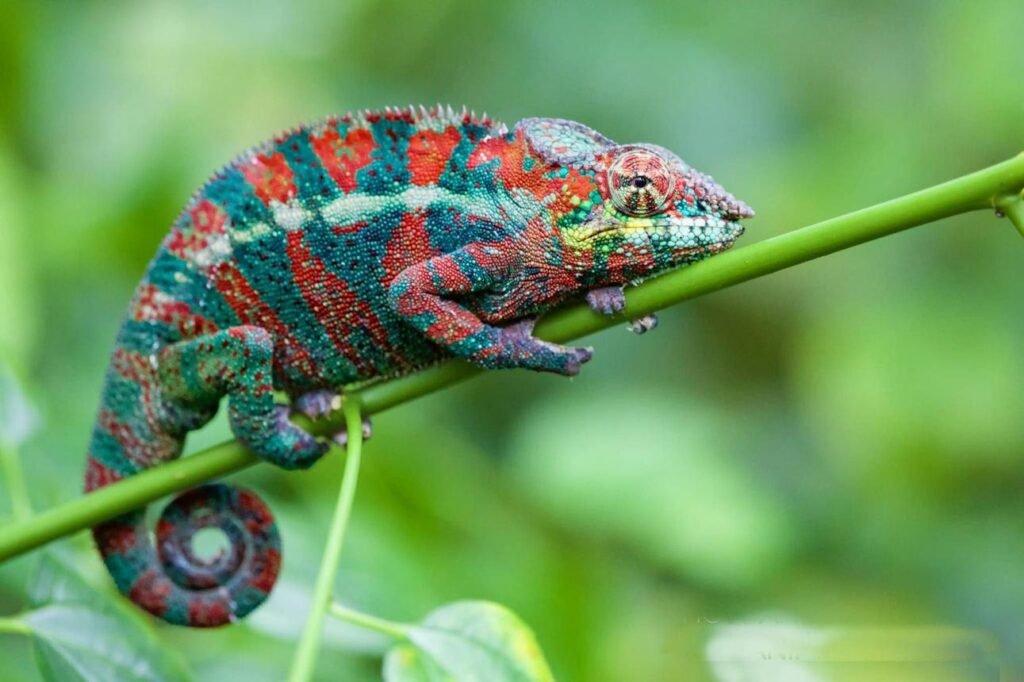
Chameleon symbolism: change and self-expression
Chameleons are frequently associated with adaptability because of their color-changing abilities. Their colors serve several biological functions, including communication and responses to environmental conditions. Symbolically, they can represent adjusting to circumstances, expressing different aspects of oneself, or questioning whether adaptation has become conformity.
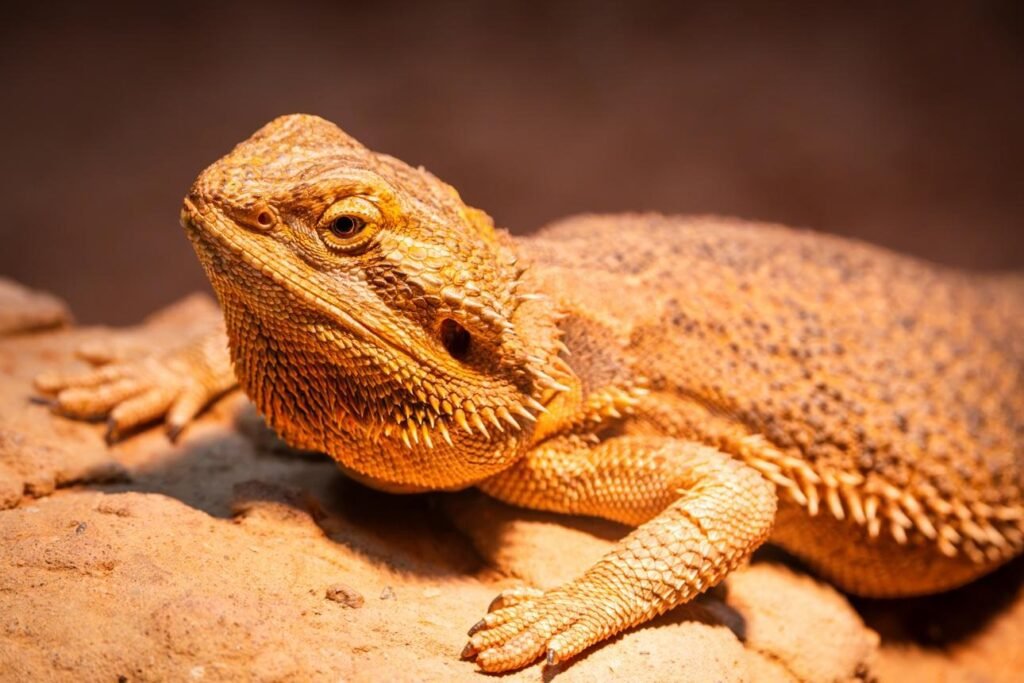
Bearded dragon symbolism: steadiness and confidence
A bearded dragon’s sturdy appearance and distinctive posture can inspire associations with composure, confidence, and groundedness. These are visual and personal interpretations, not a universal tradition attached to the species.
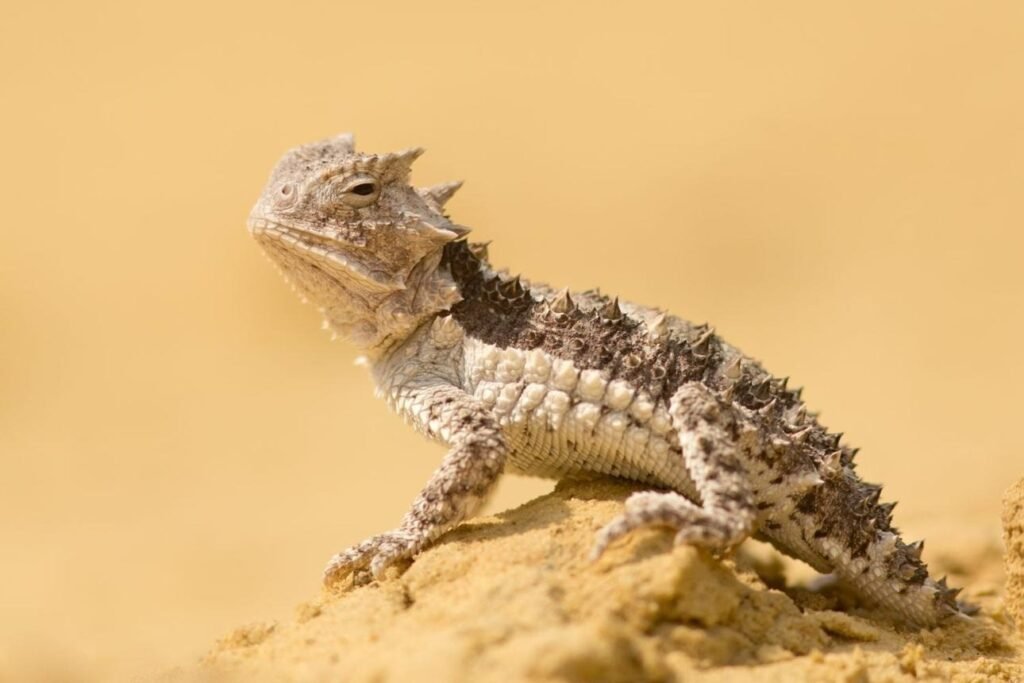
Desert lizard symbolism: endurance and resourcefulness
Lizards adapted to arid environments can represent making careful use of limited resources, responding to difficult conditions, and conserving energy. The metaphor is particularly relevant to perseverance and practical problem-solving.
Green Lizard Symbolism
A green lizard may symbolize growth, renewal, balance, or a connection with the natural world. These associations often come from the color green’s familiar cultural links with vegetation and life.
However, green lizards are not inherently more spiritual or fortunate than lizards of other colors. Their appearance can be meaningful as a personal image without implying a supernatural property.
Black Lizard Symbolism
A black lizard may evoke mystery, privacy, protection, or the unknown. In some visual contexts, dark coloring can communicate seriousness or hiddenness, while in others it simply reflects the animal’s natural coloration.
If a black lizard stands out to you, consider the context rather than automatically interpreting it as a warning or negative omen.
White Lizard Symbolism
A white lizard may be interpreted as a symbol of clarity, rarity, purity, or a fresh beginning. Such meanings draw on broader associations with the color white.
In nature, pale coloration may arise from several biological factors, and unusually pale animals should not automatically be described as supernatural beings or spiritual signs.
Blue Lizard Symbolism
A blue lizard can suggest calmness, individuality, mystery, or unusual beauty in modern symbolic interpretation. Because vivid blue coloration is visually striking in certain species, it may also evoke rarity and distinctiveness.
These associations are particularly useful in creative writing, illustration, and design, where color helps establish mood.
Lizard Symbolism in Psychology and Human Perception
From a psychological perspective, lizard symbolism illustrates how people use familiar features of the natural world to represent abstract experiences. A reptile’s behavior can become a metaphor for caution, adaptability, vulnerability, or recovery, depending on the observer’s associations.
Psychology does not establish that lizards carry a universal psychological message. Instead, several concepts help explain why people may find particular animal symbols meaningful.
Symbolism and Personal Association
People interpret images through memories, emotions, cultural learning, and the circumstances in which they encounter them. Someone who grew up watching geckos in a family home may associate lizards with comfort and familiarity. Another person who fears reptiles may associate them with danger or discomfort.
The animal is the same, but the observer’s experience changes the meaning.
This is one reason personal symbolism can be useful in journaling, storytelling, and creative work. It helps people articulate feelings and ideas that may otherwise be difficult to describe directly.
The Lizard as a Metaphor for Adaptation
A lizard’s ability to respond to environmental conditions makes it a useful metaphor for behavioral flexibility. In human terms, adaptability might involve learning a new skill, changing a strategy, or finding a different way to approach a challenge.
However, adaptability does not mean changing everything about yourself to satisfy other people. A more balanced interpretation combines flexibility with a stable sense of personal values.
Why Animal Symbols Feel Powerful
Animal symbols connect abstract ideas to observable characteristics. A bird’s flight can represent freedom, a turtle’s shell can suggest protection, and a lizard’s regenerative abilities can evoke recovery.
This process is relevant to semiotics, the study of signs and meaning. In semiotic terms, a lizard can function as a sign whose interpretation depends on the relationship between its visible form, the cultural context, and the person interpreting it.
The result is not a single hidden meaning waiting to be discovered. It is a relationship between an image and the ideas people associate with it.
Lizard Symbolism in Religion, Mythology, and Folklore
Lizards have appeared in regional stories, traditional beliefs, and accounts of the natural world. Their religious significance, however, is neither uniform nor equally documented across traditions.
Are Lizards Mentioned in Religious Traditions?
Yes, reptiles, including lizards, appear in some religious texts and traditional interpretations. Their significance depends on the specific text and tradition.
For example, biblical passages concerning animals distinguish among different creatures in discussions of purity and ordinary life. Translators and interpreters may use different English names for certain small reptiles, so identifying a particular passage as referring to a modern biological species requires care.
It is therefore better to examine the exact passage, translation, and historical context than to claim that every religious tradition assigns the lizard one spiritual meaning.
Lizards and Mythological Storytelling
In mythology and folklore, animals can function as messengers, helpers, tricksters, guardians, or representations of natural forces. A lizard could play such a role in a particular story, but its role must be established from that story rather than assumed from a modern symbolism list.
Lizards’ ability to disappear into narrow spaces, move suddenly, and inhabit environments that humans may find unfamiliar makes them effective creatures for imaginative storytelling.
A writer might use a lizard to represent a character’s hidden knowledge or ability to escape danger. Another storyteller might use it to establish a setting, suggest a character’s relationship with nature, or introduce a moment of uncertainty.
Lizard Omens: Belief Versus Evidence
An omen is an event interpreted as a sign of something that may happen. In some folk traditions, lizard movements or sounds are treated as omens.
These beliefs can provide insight into cultural history and how people make sense of uncertainty. However, there is no reliable scientific evidence that the ordinary movements of a lizard predict personal success, relationships, illness, or future events.
Understanding this difference allows readers to respect folklore without presenting supernatural predictions as established facts.
Lizard Symbolism in Art, Literature, and Popular Culture
Lizards offer artists and writers a flexible visual symbol because they can appear delicate, watchful, camouflaged, unusual, or resilient. Their meaning depends on how they are represented and the role they play in a particular work.
Lizards in Visual Art
In visual art, a lizard can serve several purposes:
- Natural observation: Illustrations and paintings can document anatomy, habitat, and biodiversity.
- Symbolic contrast: A lizard’s small size may contrast with a large human figure or dramatic landscape.
- Environmental storytelling: Its presence can suggest heat, wilderness, tropical settings, or a garden ecosystem.
- Personal symbolism: An artist can use the animal to represent change, patience, or survival.
Color, scale, posture, and placement influence how the image is perceived. A lizard resting peacefully on a branch creates a different impression from one poised to escape.
Lizards in Literature
Writers often use animal imagery to develop themes without explaining them directly. A lizard can appear at a turning point in a story, accompany a character through a difficult environment, or provide a recurring image associated with a particular memory.
Consider a fictional character who repeatedly sees a lizard after moving to a new city. If the animal is introduced alongside moments of uncertainty and gradually becomes familiar, the writer may use it to reinforce a theme of adaptation.
The symbolism comes from the story’s structure and context, not from a rule that all lizards mean change.
Lizards in Film, Games, and Digital Media
In contemporary media, reptilian characteristics can be used to create memorable designs, unusual characters, or visual shorthand for specific qualities.
A lizard-inspired character might appear resourceful, mysterious, quick, or closely connected to its environment. In fantasy and science fiction, reptilian features may also be exaggerated to suggest unfamiliarity or otherness.
Such portrayals are creative choices rather than reliable descriptions of real animals. Designers should also be aware that repeatedly presenting reptile-like characters as sinister can reinforce simplistic associations between unfamiliar appearances and danger.
Lizard Symbolism in Branding, Design, and Communication
In branding and design, a lizard can communicate adaptability, distinctiveness, environmental awareness, or a connection to a particular habitat. Its effectiveness depends on the audience, visual style, and brand identity.
A logo does not have to carry a traditional spiritual meaning to be symbolically effective. Shape, color, posture, and context can create associations that audiences understand quickly.
Using a Lizard in a Brand Identity
A company developing outdoor equipment might use a lizard to suggest resourcefulness and performance in demanding environments. An environmental organization might use a native lizard to draw attention to habitat conservation. A creative studio might choose a stylized gecko to communicate flexibility and originality.
These are design possibilities, not claims about what every audience will perceive.
| Design choice | Possible impression | Practical consideration |
| Minimal lizard silhouette | Simplicity and recognizability | Ensure the shape remains clear at small sizes. |
| Green lizard illustration | Nature and growth | Consider whether green fits the wider brand palette. |
| Geometric reptile icon | Modernity and precision | Avoid sacrificing recognizability for complexity. |
| Detailed wildlife illustration | Authenticity and natural history | Verify the species and anatomical details. |
| Playful cartoon gecko | Friendliness and approachability | Check that the tone suits the intended audience. |
Lizard Symbolism in Color Psychology
Color can influence how a lizard illustration is interpreted, but its effects are shaped by context, culture, and individual experience.
- Green may suggest vegetation, growth, or environmental themes.
- Brown may evoke soil, camouflage, and natural materials.
- Blue may create a sense of calm or visual distinctiveness.
- Black may emphasize contrast, mystery, or sophistication.
- White may create a clean, minimal, or unusual appearance.
These are common design associations, not universal psychological laws. Designers should test their choices with the intended audience rather than assuming that everyone will interpret a color identically.
Lizard Imagery in Education and Conservation
Lizards can be effective subjects for educational communication because they introduce topics such as biodiversity, adaptation, predator avoidance, and habitat conservation.
For example, a classroom poster showing tail autotomy can explain how some lizards escape predators. A wildlife information panel can use a local species to encourage habitat protection. A children’s book can use a lizard character to make ecological ideas memorable.
In these situations, factual accuracy is essential. A symbolic story may simplify an animal’s behavior, but educational material should distinguish the story from biological evidence.
Did You Know? Fascinating Facts Behind Lizard Symbolism
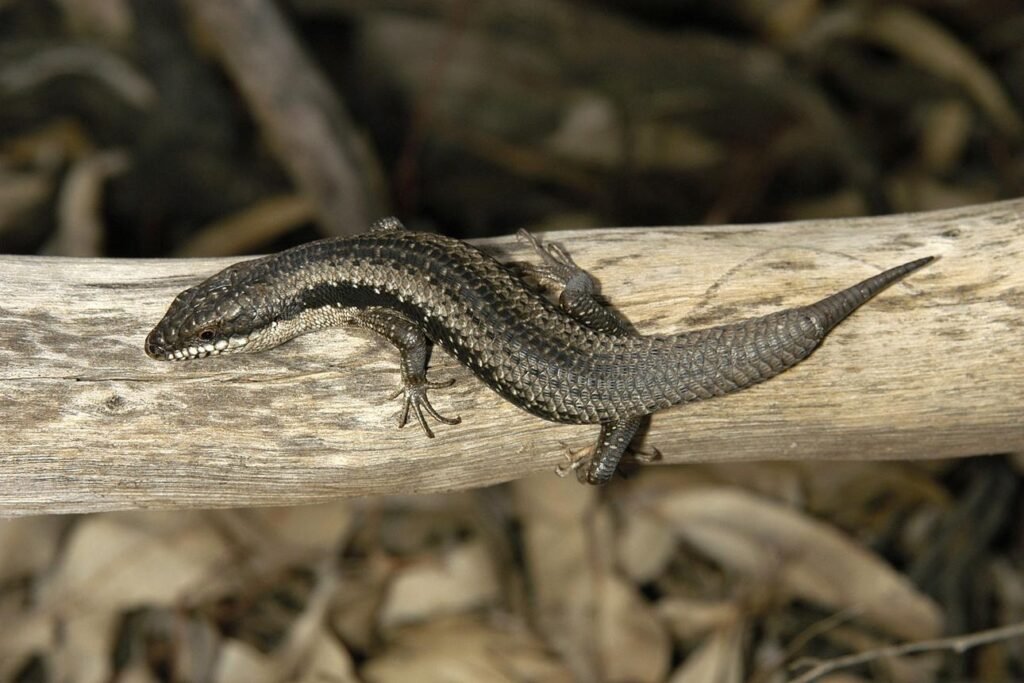
Some lizards can regenerate their tails.
Tail regeneration varies by species, and the replacement may differ from the original in structure. This is one of the strongest biological inspirations for the symbolism of renewal.
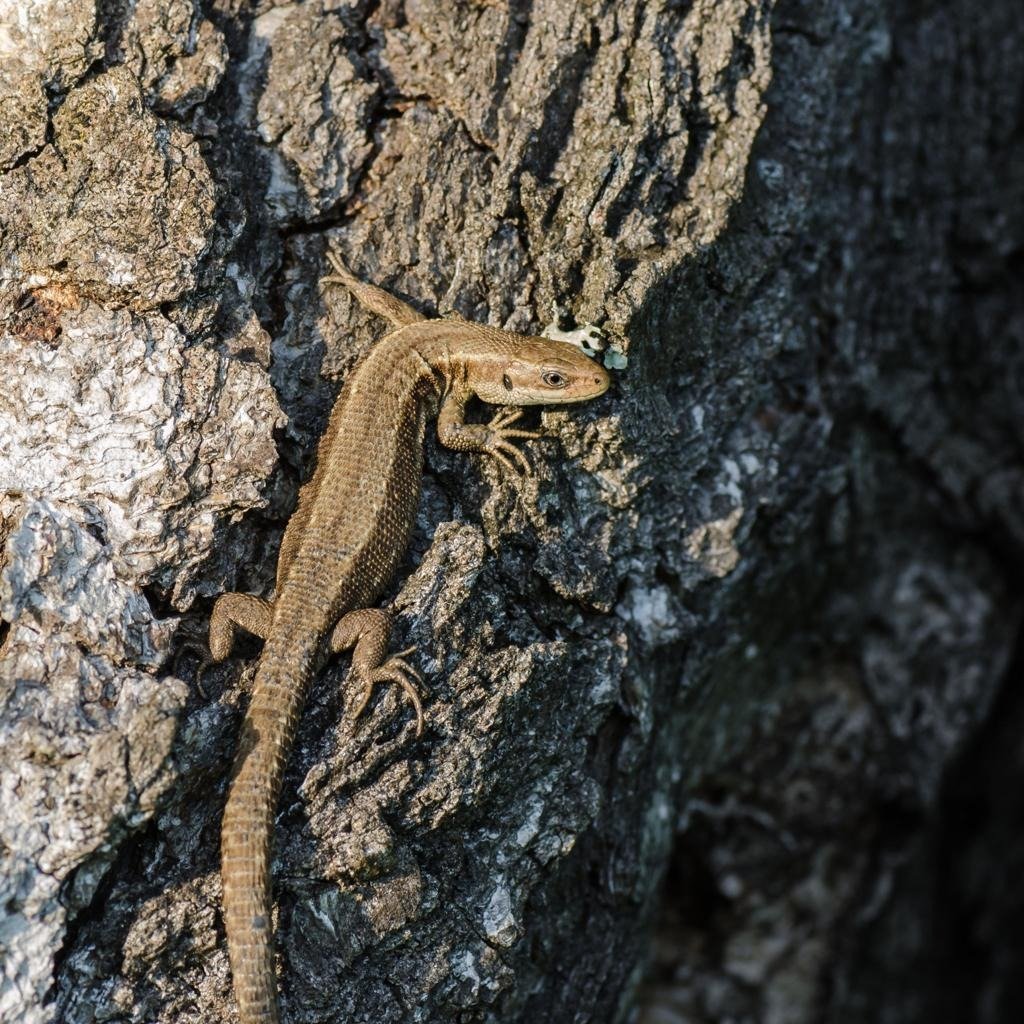
Camouflage can be an important survival strategy.
Some lizards blend into their surroundings, making them difficult for predators or prey to detect. Symbolically, this can suggest discretion and situational awareness.
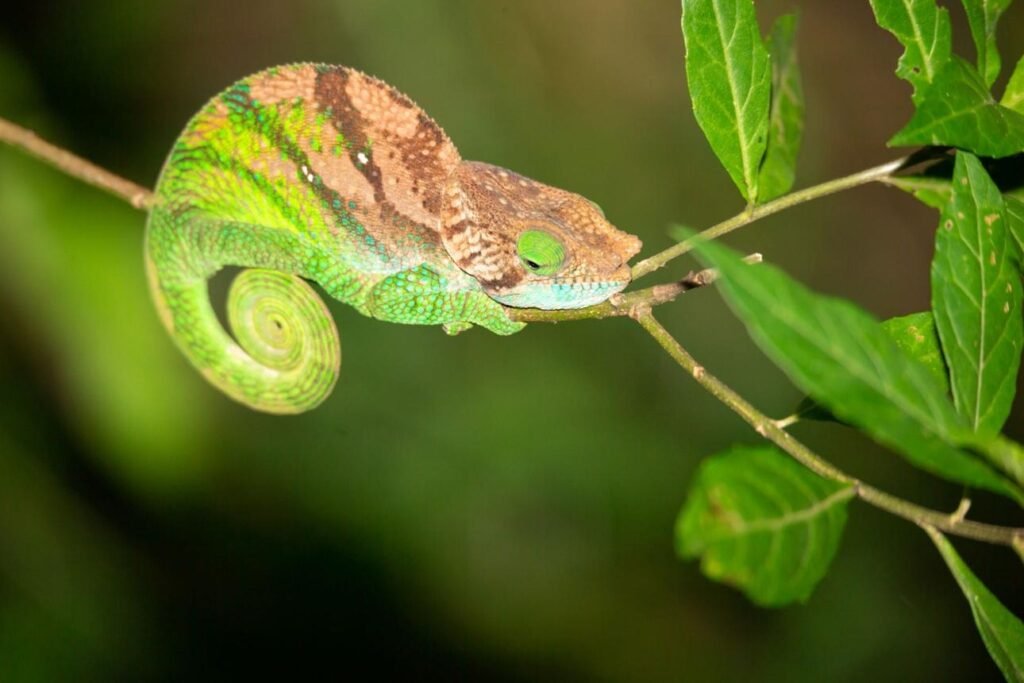
Color change is not simply a way to become invisible.
Chameleons can change color for communication, thermoregulation, and other physiological purposes. The popular idea that they change color solely to match any background oversimplifies their biology.
Common Mistakes When Interpreting Lizard Symbolism
Understanding lizard symbolism becomes easier when you avoid treating every interpretation as an established fact.
Mistake 1: Assuming Every Lizard Is a Spiritual Sign
Seeing a lizard is usually an ordinary encounter with wildlife. You can attach personal meaning to the experience without assuming it predicts an event or contains a supernatural instruction.
Mistake 2: Treating All Cultures as Having the Same Beliefs
Animal symbolism varies across communities, historical periods, and belief systems. A meaning found in a modern spiritual guide should not automatically be attributed to an ancient civilization or Indigenous tradition.
Mistake 3: Confusing Biological Facts With Metaphors
Tail regeneration is a biological process. Renewal is a symbolic interpretation inspired by that process. Keeping these ideas separate makes an explanation more accurate and trustworthy.
Mistake 4: Believing Every Dream Has a Fixed Meaning
Dreams do not come with a scientifically established dictionary in which every animal has one universal definition. Personal associations, emotions, and life circumstances are more useful starting points than rigid interpretations.
Mistake 5: Interpreting Dark or Unusual Lizards as Bad Omens
Color alone does not establish that an animal is lucky, unlucky, protective, or dangerous. Consider its species, natural behavior, cultural context, and the meaning you personally associate with it.
Myth vs. Fact: Understanding Lizard Symbolism
| Myth or assumption | More balanced interpretation |
| A lizard always brings good luck. | Luck-related meanings appear in some traditions, but they are not universal or scientifically verified. |
| A lizard crossing your path predicts your future. | This is a spiritual or folkloric interpretation, not an established predictive method. |
| Lizards always symbolize transformation. | Transformation is a common modern association, but meaning depends on context. |
| Chameleons change color only to hide. | Color change serves several biological functions. |
| Every lizard can regenerate its tail. | Tail loss and regeneration vary across species. |
| A lizard dream has one correct meaning. | Dream interpretation is subjective, and no universal lizard-dream meaning is scientifically established. |
Practical Applications of Lizard Symbolism
Lizard symbolism can be useful in personal reflection, creative work, communication, and design when it is treated as a flexible interpretive tool rather than an absolute truth.
1. Personal Reflection and Journaling
Use the lizard as a prompt to examine how you respond to change.
You might write about a situation in which flexibility would help, a boundary you need to protect, or a setback from which you are recovering. This exercise does not require a supernatural belief; the animal simply provides a starting point for reflection.
2. Creative Writing and Storytelling
Writers can use lizard imagery to develop themes of survival, concealment, vulnerability, or adaptation.
For instance, a lizard disappearing into a crack in a wall might reflect a character’s desire to withdraw from a difficult situation. A lizard returning to a sunlit rock might create an image of safety or renewed confidence.
The surrounding narrative determines whether these images feel hopeful, unsettling, or neutral.
3. Art and Illustration
Artists can use a lizard’s form, color, and posture to communicate mood. A carefully observed wildlife illustration can emphasize natural beauty, while an abstract lizard motif can represent flexibility or movement.
Accurate anatomy and a clear visual purpose make the symbol more effective.
4. Branding and Marketing
Businesses can use lizard imagery to establish a distinctive identity, particularly when adaptability, nature, or resourcefulness fits their values.
However, the symbol should be selected for its relevance to the brand and audience, not because a symbolism guide promises success or prosperity.
5. Education and Environmental Awareness
Lizards offer opportunities to teach students about ecosystems, adaptation, camouflage, and the relationship between animal behavior and survival. Connecting symbolic interpretation with factual biology also helps learners distinguish observation from belief.
6. Everyday Communication
A lizard can function as a visual shorthand for resilience or flexibility in a presentation, illustration, social media post, or personal project. The message becomes clearer when the intended audience understands the context.
Expert Tip: The strongest symbolic interpretations connect a visible characteristic to a specific idea and explain why the connection makes sense. Instead of saying that a lizard means everything from luck to wisdom, identify the characteristic, describe the metaphor, and acknowledge other possible readings.
Key Insights About Lizard Symbolism
The most useful way to understand lizard symbolism is to consider its major themes alongside the context in which they appear.
- Adaptability: Lizards can inspire reflection on responding to changing conditions.
- Renewal: Tail regeneration in some species provides a metaphor for recovery and change.
- Awareness: Their alert behavior can evoke careful observation and attention.
- Protection: Camouflage and defensive behaviors can represent boundaries and self-preservation.
- Patience: Their pauses and movements can inspire reflections on timing and deliberate action.
- Cultural diversity: Lizard meanings vary across folklore, spiritual traditions, art, and personal experience.
- Scientific accuracy: Biological characteristics should be distinguished from spiritual interpretations and cultural beliefs.
- Practical relevance: Lizard imagery can support storytelling, education, branding, design, and personal reflection.
Frequently Asked Questions About Lizard Symbolism
1. What is the spiritual meaning of a lizard?
The spiritual meaning of a lizard is commonly associated with adaptability, renewal, awareness, protection, and resilience. Some contemporary spiritual interpretations treat a lizard encounter as a reminder to remain flexible during change. These meanings are interpretive rather than universal spiritual facts, and seeing a lizard does not establish that a supernatural message has been delivered.
2. Is seeing a lizard good luck or bad luck?
Seeing a lizard is neither inherently good luck nor bad luck. Some cultural and folk traditions attach meanings to lizards, including beliefs about fortune and omens, but interpretations differ. From a scientific perspective, a lizard’s appearance does not reliably predict future events. You can regard an encounter as personally meaningful without treating it as a forecast.
3. What does a lizard symbolize in dreams?
A lizard in a dream may serve as a personal symbol of adaptability, caution, vulnerability, or change. A calm lizard might remind you of patience, while a fleeing lizard could prompt reflection on avoidance or uncertainty. These are possible interpretations, not scientifically established meanings. Your emotions, experiences, and the dream’s context matter more than a fixed symbolic definition.
4. What does it mean when a lizard enters your house?
A lizard entering your house usually reflects ordinary animal behavior, such as searching for shelter, warmth, insects, or a suitable habitat. In some folk traditions, household lizards are associated with omens or fortune. A symbolic interpretation might focus on your relationship with home, unexpected change, or coexistence with nature, but the encounter does not reliably predict a particular outcome.
5. Why do lizards symbolize transformation and renewal?
Lizards can symbolize transformation because their biological characteristics provide memorable metaphors for change. Some species shed their skin as they grow, and many can detach their tails and regenerate replacements. These processes inspire associations with recovery, adaptation, and starting again. The symbolism is metaphorical: biological regeneration does not mean that every loss can be reversed or that every lizard carries a spiritual message.
6. What does a lizard symbolize in different cultures?
Lizard symbolism varies by culture, region, historical period, and tradition. In contemporary spiritual writing, lizards often represent adaptability and renewal, while some regional folk traditions associate their movements or calls with omens. Particular Indigenous traditions may connect reptiles with specific stories, landscapes, or ecological knowledge. There is no single lizard meaning shared by all cultures, so interpretations should be grounded in their specific context.
Conclusion: Why Lizard Symbolism Still Matters
Lizard symbolism demonstrates how an ordinary animal can become a meaningful metaphor for resilience, adaptation, awareness, and renewal.
Its physical characteristics offer a natural starting point for interpreting ideas about change, survival, patience, and self-protection.
Across history, folklore, contemporary spirituality, literature, art, and design, the lizard has provided opportunities to explore the relationship between the natural world and human experience.
Yet its meaning is never completely separate from the observer. Cultural background, personal memory, artistic context, and individual belief all influence how the animal is understood.
Recognizing these differences makes symbolic interpretation more thoughtful.
Rather than assuming that every lizard encounter carries a fixed message, consider the animal’s behavior, the context in which it appears, and the meaning you find useful.
This approach preserves the imaginative value of symbolism while respecting cultural diversity and scientific evidence.
Ultimately, the enduring appeal of lizard symbolism lies in its ability to turn a simple observation of nature into an opportunity to reflect on how we respond to change, protect what matters, and move forward after setbacks.
Semantic SEO, NLP Entities, and Related Keywords
The following concepts and entities naturally connect to the subject of lizard symbolism and can help organize related content on a symbolism website.
| Category | Related terms and concepts |
| Primary keyword | Lizard symbolism |
| Core semantic keywords | Lizard meaning, spiritual meaning of a lizard, lizard symbol, lizard spiritual symbolism |
| Long-tail keywords | What does a lizard symbolize, meaning of seeing a lizard, lizard dream meaning, lizard crossing your path, lizard in the house meaning |
| Related animal topics | Gecko symbolism, chameleon symbolism, reptile symbolism, animal symbolism, wildlife symbolism |
| Symbolic themes | Adaptability, transformation, renewal, resilience, survival, awareness, patience, protection |
| Psychology and interpretation | Personal association, perception, dream interpretation, metaphor, cultural learning |
| Anthropology and folklore | Cultural symbolism, oral tradition, mythology, folk beliefs, omens, historical context |
| Religion and spirituality | Spiritual interpretation, religious texts, regional traditions, personal belief |
| Biology and natural history | Tail autotomy, regeneration, camouflage, thermoregulation, habitat, animal behavior |
| Art and communication | Semiotics, iconography, visual communication, storytelling, illustration, color psychology |
| Commercial and educational applications | Branding, graphic design, marketing, environmental education, conservation |
For a symbolism-focused website, these related terms can support an organized content cluster linking lizard symbolism with broader animal symbolism, gecko symbolism, chameleon symbolism, reptile symbolism, dream symbolism, and cultural interpretations of animals. Each supporting article should provide its own distinct value rather than repeating the same general explanation.
Editorial note: This article distinguishes observable biological characteristics from cultural traditions and personal spiritual interpretations. It is written as an SEO-oriented educational draft; originality, factual accuracy, and publication readiness should still be assessed through editorial review. No article can guarantee undetectability by AI detectors or a particular search ranking.

Explore folklore, anthropology, and global symbolism with Noah Whitmore’s research-based articles.
