
Clover Symbolism: What Does a Clover Represent?
Clover symbolism connects one of nature’s most familiar plants with good luck, prosperity, hope, love, and new beginnings.
From the traditional four leaf clover carried as a lucky charm to the three leaf shamrock associated with Irish identity, clover has developed meanings that reach far beyond its small leaves.
Understanding clover symbolism reveals how ordinary plants can become powerful cultural signs, spiritual reminders, and expressions of human optimism.
Whether you have discovered a four-leaf clover in a grassy field, encountered clover imagery in jewelry, or wondered why the plant appears in Irish celebrations, its symbolism offers an interesting connection between nature, folklore, history, psychology, and everyday life.
Featured-snippet definition: What is clover symbolism?
Clover symbolism refers to the meanings people associate with clover plants, especially luck, prosperity, hope, faith, love, and spiritual growth.
Three leaf clovers are closely connected with Irish heritage and the shamrock tradition, while four-leaf clovers are widely regarded as symbols of good fortune.
Their meanings vary across cultures, personal beliefs, and historical contexts.
What Does Clover Symbolize?
Clover most commonly symbolizes good luck, hope, prosperity, faith, love, and connection with nature. Its specific meaning depends on the type of clover, the cultural tradition involved, and how the plant appears in a particular setting.

7
The most widely recognized symbolic associations include:
- Good luck: The four-leaf clover represents fortunate circumstances and the hope that something positive will happen.
- Hope: Its fresh green leaves suggest renewal, growth, and the possibility of better days.
- Faith: In Christian and Irish cultural traditions, the three-leaf shamrock has been used to explain the concept of the Holy Trinity.
- Love: In popular interpretations, clover can represent affection, emotional connection, and the value of meaningful relationships.
- Prosperity: Its association with good fortune makes clover a familiar emblem of abundance and success.
- Spiritual growth: As a living plant, clover can serve as a reminder of personal development, resilience, and a connection with the natural world.
- Irish identity: The shamrock is a widely recognized symbol of Ireland, its cultural heritage, and St. Patrick’s Day celebrations.
These associations overlap, but they are not interchangeable. For example, the four-leaf clover is especially associated with luck, whereas the shamrock carries stronger religious and cultural associations.
The Historical Origins of Clover Symbolism
Clover symbolism developed through a combination of botanical familiarity, cultural traditions, religious interpretation, and folklore. Some modern meanings have clear historical connections, while others are popular interpretations that cannot be traced to one definitive origin.
The Ancient Relationship Between Humans and Plants
For centuries, plants have played practical and symbolic roles in human societies. People used them for food, animal fodder, medicine, decoration, religious ceremonies, and seasonal celebrations. Their recurring appearance in fields and gardens made them natural subjects for cultural interpretation.
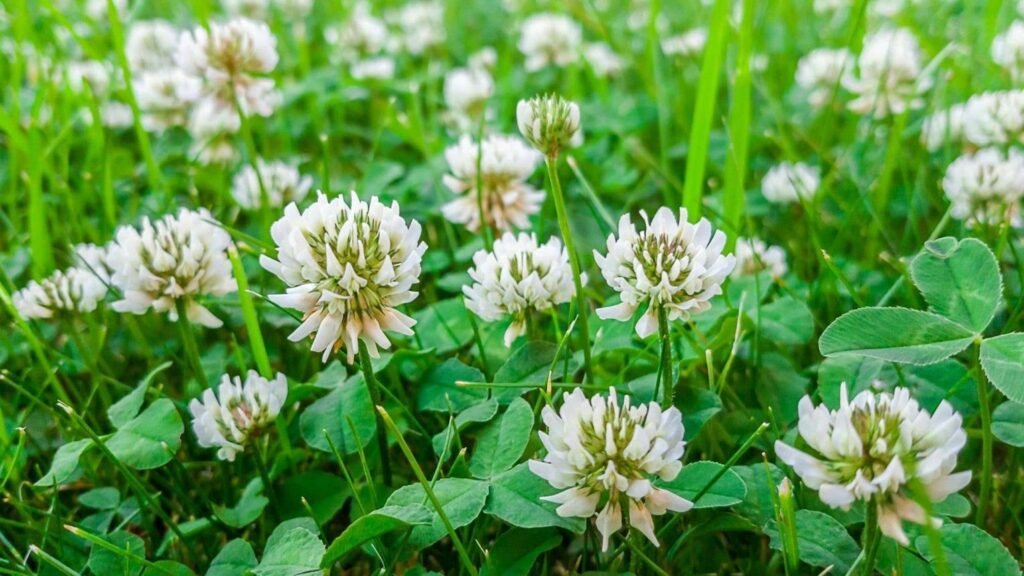
Clover belongs to the legume family, Fabaceae, and includes several species, such as white clover (Trifolium repens) and red clover (Trifolium pratense). Many clovers have distinctive groups of three leaflets, making their shape easy to recognize.
The number three has symbolic importance in many traditions. Depending on the context, it can suggest completeness, balance, unity, or a relationship between three elements. Clover’s naturally occurring three-part leaf structure therefore lends itself to symbolic interpretation, although the plant’s appearance alone does not prove that any particular ancient culture assigned it a specific meaning.
It is important to distinguish this general human tendency to interpret nature from documented historical evidence about clover itself.
The Shamrock and Irish Heritage
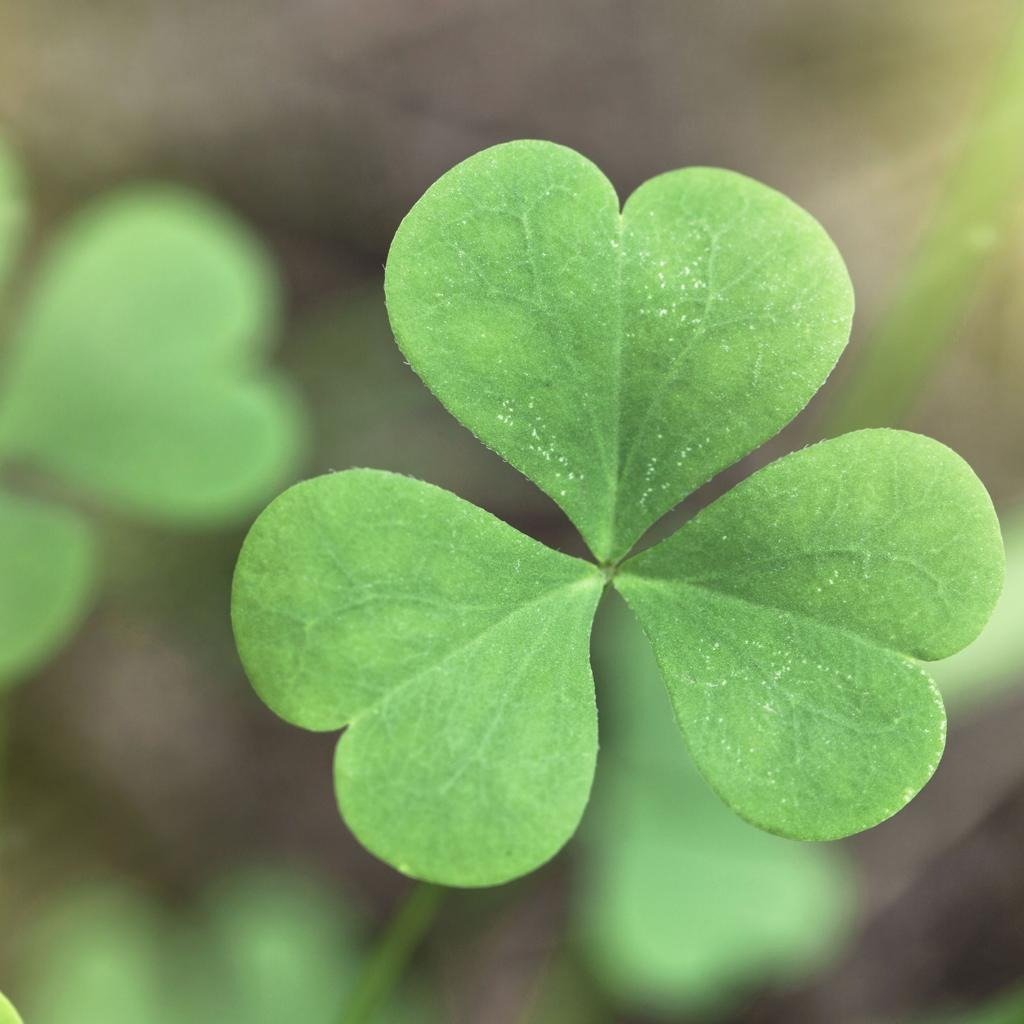
The shamrock is one of the best-known cultural symbols associated with clover. The word generally refers to a small, three-leafed plant, although its precise botanical identification has varied.
The shamrock became closely associated with Ireland and St. Patrick, the fifth-century Christian missionary traditionally credited with helping spread Christianity in Ireland.
According to a longstanding tradition, St. Patrick used a three-leafed shamrock to explain the Christian doctrine of the Holy Trinity: the Father, the Son, and the Holy Spirit. The three leaflets could be presented as distinct yet belonging to one plant.
This is an influential religious tradition, but the historical details of St. Patrick’s alleged use of the shamrock are not firmly established by contemporary evidence. The story should therefore be understood as part of the cultural history of the symbol rather than a conclusively documented event.
Over time, the shamrock became a marker of Irish identity, appearing in celebrations, clothing, decorative arts, and St. Patrick’s Day imagery around the world.
How the Four Leaf Clover Became a Lucky Charm
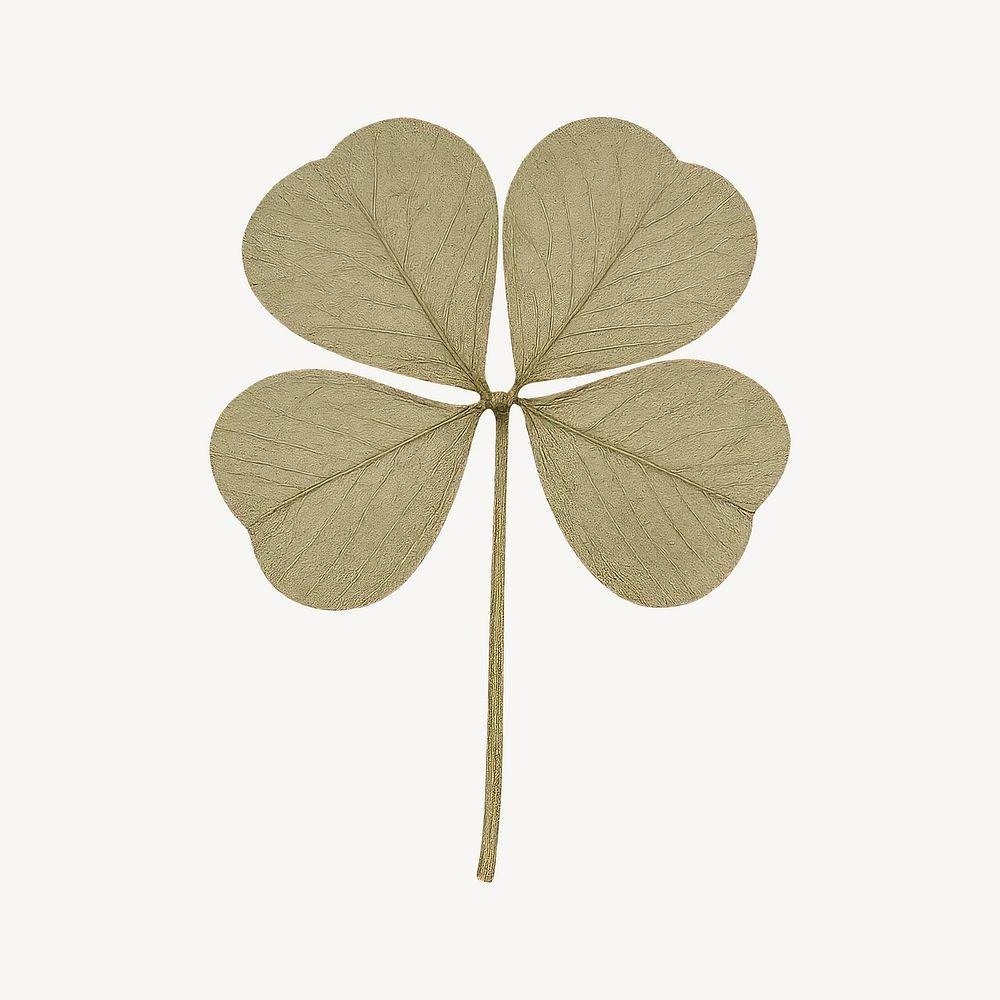
The four-leaf clover became famous because it is less common than the familiar three-leaf form. Finding one can feel like a small discovery, and that rarity helps explain its association with good fortune.
Folklore surrounding four-leaf clovers developed over time, with different accounts connecting them to protection, luck, and the ability to recognize favorable opportunities. Modern popular culture has reinforced these associations through greeting cards, jewelry, gifts, illustrations, and seasonal decorations.
Unlike the shamrock’s close association with Irish identity and Christian tradition, the four-leaf clover’s modern symbolism is largely centered on personal luck and optimism.
A four-leaf clover does not scientifically predict future success. Its significance lies in folklore, cultural convention, and the meaning people choose to attach to finding or carrying one.
The Meaning of Each Clover Leaf
One of the most familiar interpretations of clover symbolism assigns a separate meaning to each leaf. These interpretations are especially popular in contemporary gift-giving, jewelry, and spiritual content.
Three-Leaf Clover: Faith, Hope, and Love

The three-leaf clover is commonly interpreted through the ideas of faith, hope, and love. These values offer a simple way to understand why the plant appears in personal keepsakes and inspirational designs.
However, the meanings assigned to the three leaves are not universal. In the Christian shamrock tradition, the three leaves are associated with the Holy Trinity rather than necessarily representing faith, hope, and love individually.
The distinction matters because the same plant can communicate different ideas depending on the tradition in which it appears.
Four-Leaf Clover: Luck, Hope, Love, and Faith

In a popular modern interpretation, the four leaves of a lucky clover represent:
- Faith confidence in oneself, one’s values, or a higher purpose.
- Hope optimism about what lies ahead.
- Love affection, compassion, and emotional connection.
- Luck the possibility of favorable circumstances or unexpected opportunities.
This is a widely repeated contemporary interpretation, not a single meaning shared by every culture or historical tradition.
The fourth leaf is particularly important because it distinguishes the plant from the more familiar three-leaf form. Symbolically, it represents the unexpected extra something that makes an ordinary experience feel special.
Expert tip: If you are choosing a clover design for a gift, consider the message you want to communicate. A three-leaf shamrock may be more appropriate for expressing Irish heritage, while a four-leaf clover is often a better fit for wishing someone good luck.
Clover Symbolism Across Cultures and Traditions
Clover has no single universal meaning. Its strongest cultural associations are connected with Irish identity, Christian interpretations of the shamrock, and international folklore surrounding the four-leaf clover.
| Cultural or interpretive context | Common symbolic meaning | Important distinction |
| Irish culture | National identity, heritage, and belonging | The shamrock is a cultural emblem, not simply a lucky charm. |
| Christian tradition | The Holy Trinity | This is a religious interpretation of the three-leaf shamrock. |
| Modern Western folklore | Luck, fortune, and opportunity | The four-leaf form is especially prominent. |
| Contemporary gift-giving | Encouragement, affection, and good wishes | Meaning depends on the occasion and relationship. |
| Nature-centered interpretations | Renewal, growth, and connection with nature | These are interpretive associations, not universal religious doctrines. |
| Popular spiritual symbolism | Balance, optimism, and personal development | Such meanings are matters of personal or spiritual belief. |
Irish Culture: Identity and Belonging
In Irish culture, the shamrock represents more than luck. It is a recognizable emblem of national heritage, cultural continuity, and a shared sense of identity.
Its association with St. Patrick’s Day has helped make it recognizable internationally. People wear shamrock designs, display them in decorations, and incorporate them into clothing and accessories during Irish cultural celebrations.
For people with Irish ancestry, a shamrock necklace or pin can express family heritage or a connection to Ireland. For others, it may simply represent participation in a cultural celebration.
The symbol’s meaning therefore depends partly on the person using it and the context in which it appears.
Christian Symbolism: Unity and the Holy Trinity
The shamrock is associated with the Christian doctrine of the Holy Trinity: the Father, the Son, and the Holy Spirit.
The three leaflets offer a visual analogy for the idea of three persons in one God. This makes the plant a useful example of religious iconography, in which a familiar visual object communicates an abstract theological concept.
It is important to distinguish the shamrock’s Christian interpretation from the four-leaf clover’s broader association with luck. The two symbols overlap in appearance, but their most recognizable meanings come from different traditions.
Broader European Folklore
In European folklore and later popular traditions, unusual plants and naturally occurring variations have often attracted special attention. A four-leaf clover fits this pattern because its uncommon appearance makes it memorable.
Stories about lucky plants can offer people a sense of comfort, anticipation, and connection with inherited traditions. However, specific claims about clover’s protective or magical powers should be treated as folklore rather than established fact.
It is also misleading to suggest that every European society historically understood clover in the same way. Regional beliefs, periods, and individual traditions differed.
Modern Global Interpretations
Today, clover imagery appears far beyond Ireland and Europe. Its popularity in fashion, online content, greeting cards, and commercial branding has made it a familiar symbol of luck in many countries.
Someone may wear a four-leaf clover charm before an examination, give a clover-themed present to a friend starting a new job, or use the image in a social media post wishing someone success.
These uses demonstrate how symbols travel between cultures. A symbol may retain part of its original history while gaining new meanings through international media and personal experience.
Spiritual Meaning of Clover
Clover is often interpreted spiritually as a symbol of hope, balance, gratitude, protection, and openness to new possibilities. These meanings reflect contemporary spiritual interpretations and folklore rather than a universal spiritual doctrine.
Clover as a Sign of Hope and New Beginnings
Green plants naturally suggest growth, renewal, and the continuation of life. Clover’s association with fresh grass and flourishing fields makes it an intuitive symbol of new beginnings.
A person beginning a new relationship, changing careers, recovering from a difficult period, or starting a creative project might use clover as a reminder to remain hopeful.
In this context, the plant does not promise that everything will work out. Instead, it provides a visual reminder that growth can occur gradually and that uncertainty does not rule out positive change.
Clover and Spiritual Protection
Some popular spiritual traditions associate four-leaf clovers with protection from misfortune or negative influences. A clover charm may be carried as a personal reminder of safety, reassurance, or confidence.
These beliefs are part of folklore and individual spirituality. There is no established scientific evidence that a clover leaf protects someone from supernatural forces or prevents adverse events.
A balanced interpretation recognizes that a meaningful object can provide emotional comfort without possessing objectively demonstrated supernatural powers.
Clover as a Reminder of Gratitude
Finding an uncommon four-leaf clover can encourage someone to pause and appreciate an unexpected moment. This makes the plant a useful symbol of gratitude and attention to everyday experiences.
The meaning does not have to be mystical. It may simply remind someone that small discoveries can bring joy, even when they do not change the larger circumstances of life.
Is Finding a Clover a Spiritual Sign?
Some people interpret finding a clover as a personal spiritual sign, particularly when they encounter it during a period of uncertainty or transition. Others see it as an interesting botanical discovery or a fortunate coincidence.
Neither interpretation has to be imposed on everyone. A personal symbolic experience can be meaningful to an individual without proving that an external supernatural message has been delivered.
Expert tip: If a clover feels meaningful to you, connect it with a practical intention. You might use it as a reminder to pursue an opportunity, nurture a relationship, or approach a challenge with patience.
Clover Symbolism in Psychology and Human Perception
Clover’s symbolic power can be understood through psychology, visual perception, and the way people create meaning from experience.
Why Do People Associate Clover With Luck?
The four-leaf clover is unusual enough to attract attention but familiar enough to be easily recognized. This combination makes it a memorable object for stories about fortune and unexpected discoveries.
Several psychological processes help explain its appeal:
- Pattern recognition: People naturally notice shapes that differ from their expectations, such as a four-leaf clover among three-leaf plants.
- Positive association: Repeated exposure to lucky-clover imagery connects the plant with encouraging messages and favorable outcomes.
- Confirmation bias: Someone who carries a lucky charm may remember occasions when things went well and pay less attention to occasions when they did not.
- Emotional association: A clover received from a loved one can become meaningful because it is connected with affection, a memory, or an important life event.
These concepts explain how lucky symbols can acquire emotional power. They do not establish that the symbols themselves change external events.
The Role of Personal Meaning
A symbol’s meaning is not determined entirely by its shape. Personal memories and cultural experiences also influence interpretation.
For example, a four-leaf clover might remind one person of childhood walks with a grandparent. Another person might associate it with a sports team, an Irish celebration, or a gift received before an important examination.
The physical object may be similar, but the emotional associations differ.
This illustrates an important principle in semiotics, the study of signs and meaning: a symbol connects something we can perceive with an idea or interpretation that extends beyond the object itself.
Can a Lucky Charm Increase Confidence?
A lucky charm may serve as a psychological reminder of a person’s goals, values, or past encouragement. For some people, carrying a familiar object can make a stressful situation feel more manageable.
That does not mean a clover guarantees success or has a scientifically established ability to improve performance. Any benefit may depend on the individual’s expectations, habits, and circumstances.
The practical value of a charm is therefore best understood as personal and contextual rather than magical.
Clover Symbolism in Art, Literature, and Storytelling
Clover can function as a visual metaphor for fortune, hope, identity, or unexpected discovery. Its familiar shape makes it easy for artists and writers to communicate these ideas without lengthy explanations.
Clover in Visual Art and Iconography

12
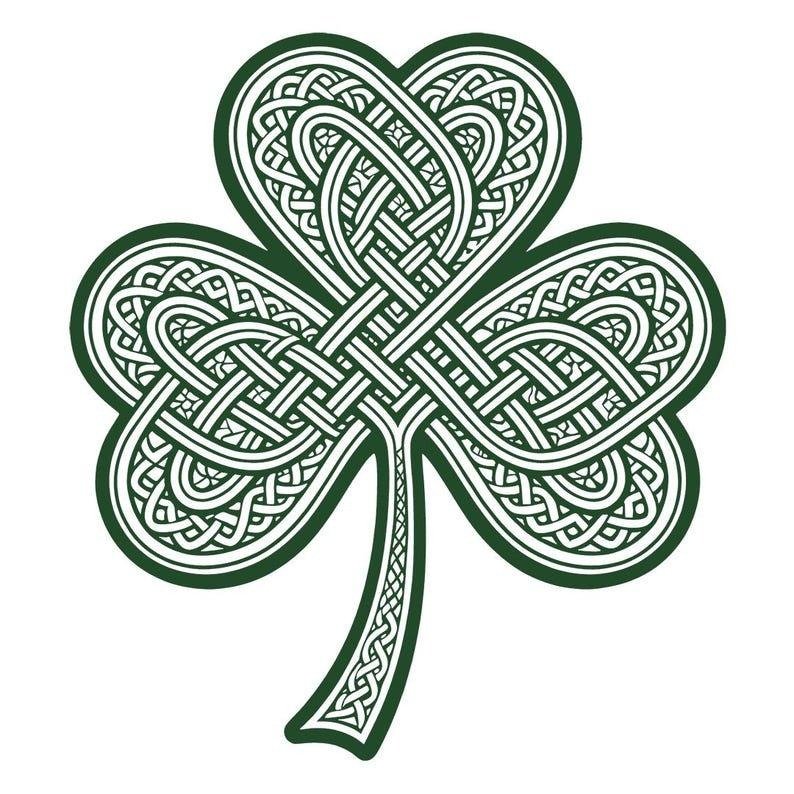
In visual art, clover may appear as a decorative motif, a botanical subject, or a recognizable cultural emblem.
Its uses include:
- Botanical illustration: Depicting the plant’s natural structure and its place in the environment.
- Decorative art: Adding patterns inspired by leaves, growth, and organic forms.
- Cultural imagery: Communicating Irish identity through shamrock designs.
- Symbolic illustration: Representing luck, optimism, or the hope for a favorable outcome.
- Contemporary design: Creating a friendly, approachable visual identity for products and campaigns.
The simplicity of the leaf shape makes clover especially adaptable to small designs, where a complicated image might be difficult to recognize.
Clover in Literature and Poetry
In literature, clover can be used to evoke a landscape, establish a pastoral atmosphere, or suggest an unexpected opportunity.
A writer describing a character who discovers a four-leaf clover might use the event to foreshadow a hopeful change. Alternatively, the discovery could reveal the character’s optimism, superstition, or desire to find meaning in an uncertain situation.
Clover growing in a field might evoke childhood memories, peaceful surroundings, or a connection with rural life. In a story about migration or family heritage, shamrock imagery could communicate a character’s relationship with Irish identity.
These are possible literary functions rather than fixed meanings. The surrounding narrative determines whether clover represents hope, nostalgia, irony, or something else.
Clover as a Storytelling Device
Consider two fictional scenes:
- A student discovers a four-leaf clover before an important examination and keeps it in a notebook. The plant represents hope and the student’s desire for reassurance.
- An immigrant family places a shamrock ornament in a new home. The symbol represents cultural continuity and a connection to their heritage.
The same general plant imagery communicates different ideas because the characters’ circumstances differ.
This is one reason symbols are so useful in storytelling: they can compress a complex emotional or cultural idea into a simple, memorable image.
Clover Symbolism in Branding, Fashion, and Modern Design
In contemporary design, clover is frequently used to communicate luck, positivity, approachability, and cultural identity. Its visual simplicity makes it suitable for logos, accessories, packaging, illustrations, and digital graphics.
Clover in Branding and Marketing
A four-leaf clover can suggest a lucky opportunity, while a three-leaf shamrock may communicate Irish heritage or a connection with St. Patrick’s Day.
Brands may use clover-inspired imagery in seasonal promotions, greeting cards, clothing, jewelry, and gift products. The design can help establish an immediate emotional association without requiring a lengthy explanation.
However, the meaning depends on the wider brand identity. A clover on a gift box may suggest good wishes, while the same image on a sports-themed product may communicate team spirit or luck in competition.
| Design application | Intended message | Practical consideration |
| Jewelry | Luck, affection, or personal meaning | A four-leaf design often suits a good-luck gift. |
| Clothing | Identity, style, or cultural affiliation | Shamrock designs may carry specific Irish associations. |
| Greeting cards | Encouragement and positive wishes | Pair the image with a message suited to the occasion. |
| Packaging | Optimism, freshness, or a seasonal theme | Avoid suggesting that a product guarantees luck or success. |
| Digital icons | Fortune, celebration, or nature | Keep the silhouette clear at small sizes. |
| Educational materials | Nature study or cultural learning | Explain the difference between botanical facts and folklore. |
Clover in Fashion and Jewelry
Clover jewelry is popular because the design can combine decorative appeal with personal significance.
A four-leaf clover pendant might represent a wish for good fortune, while a shamrock bracelet may celebrate Irish ancestry. A gift featuring clover can also communicate encouragement during a life transition, such as beginning university, moving to a new city, or starting a business.
The recipient does not need to share a particular spiritual belief for the object to be meaningful. Its significance may come from the person who gave it and the circumstances surrounding the gift.
Clover in Digital Communication and Social Media
In digital communication, clover imagery is often used to express good wishes, celebrate St. Patrick’s Day, or convey a cheerful, nature-inspired mood.
A small clover icon can accompany a message such as wishing someone luck before an interview or congratulating a friend on a new opportunity.
Because symbols can be interpreted differently, context matters. A shamrock emoji in a St. Patrick’s Day message is likely to communicate celebration, whereas a four-leaf clover shared before a competition may suggest luck and encouragement.
The Importance of Visual Simplicity
Clover demonstrates several principles of visual communication:
- Recognition: A distinctive leaf arrangement makes the symbol easy to identify.
- Association: Familiar imagery can activate culturally learned meanings.
- Adaptability: The basic form works in illustration, jewelry, print, and digital media.
- Emotional communication: A small image can communicate a positive wish quickly.
- Contextual interpretation: Color, surrounding text, and audience expectations influence meaning.
For designers, the lesson is straightforward: recognizable imagery can communicate effectively, but its interpretation should be considered in relation to the audience and setting.
The Botanical Meaning Behind Clover
Clover symbolism becomes more interesting when considered alongside the plant’s real characteristics. The plant is not merely a cultural sign; it is a living organism with an ecological role.
What Is Clover?
Clover refers to plants in the genus Trifolium, which belongs to the legume family. Many clovers have three leaflets, small flowers, and a low-growing habit.
White clover and red clover are two familiar species. They differ in characteristics such as flower color, growth habit, and typical uses.
Clover species are found in a range of habitats, and some are cultivated in pastures, lawns, and agricultural systems.
Why Clover Matters Ecologically
Many clover species form relationships with nitrogen-fixing bacteria in their roots. These bacteria help convert atmospheric nitrogen into forms the plant can use, contributing to nitrogen cycling in the environment.
Clover flowers can also provide nectar and pollen for bees and other pollinators, depending on the species, flowering conditions, and local ecosystem.
These botanical characteristics give the plant a practical significance beyond folklore. Clover can be associated with fertility, growth, and abundance in a symbolic interpretation partly because healthy clover stands are visibly connected with flourishing vegetation.
However, an ecological role should not be confused with a supernatural meaning. Nitrogen fixation is a biological process, not proof that clover attracts prosperity or spiritual energy.
Why Are Four-Leaf Clovers Unusual?
Most familiar clover leaves have three leaflets, while four-leaf forms are less common. Their occurrence can be influenced by genetic factors and environmental conditions, although the precise causes may vary.
The rarity of the four-leaf form helps explain its symbolic appeal: people often attach special significance to uncommon natural variations.
Not every clover species or unusual leaf pattern carries the same cultural meaning, and an extra leaflet does not have any demonstrated ability to predict future events.
Did you know?
Clover belongs to the legume family, which includes peas and beans. Its ecological role in nitrogen cycling offers a real-world example of how a plant can be important to an ecosystem independently of the symbolic meanings humans assign to it.
Common Misconceptions About Clover Symbolism
Clover is familiar enough that its symbolism can sometimes be oversimplified. Understanding the distinctions between history, folklore, and personal belief makes interpretations more accurate.
Myth vs. Fact
| Myth or misconception | A more accurate explanation |
| Every clover represents good luck. | Luck is a common association, especially for four-leaf clovers, but clover can have other meanings. |
| The shamrock and four-leaf clover are identical symbols. | They are related in appearance, but the shamrock is usually three-leafed and strongly associated with Ireland. |
| St. Patrick’s use of the shamrock is conclusively documented. | It is a longstanding religious tradition, but its historical details are not firmly established by contemporary evidence. |
| A four-leaf clover guarantees success. | It is a symbol of good fortune, not a scientifically validated predictor of outcomes. |
| All cultures interpret clover in the same way. | Cultural meanings vary according to history, context, and individual experience. |
| Every spiritual interpretation is an ancient tradition. | Some meanings are modern or personal interpretations rather than documented historical beliefs. |
Common Mistakes to Avoid
1. Treating every clover as a shamrock. The words are sometimes used interchangeably in everyday speech, but the shamrock generally refers to a three-leafed plant associated with Irish heritage.
2. Presenting folklore as scientific evidence. It is reasonable to explain why people believe a clover charm brings luck, but that belief should not be presented as a proven causal effect.
3. Assuming the number four has the same meaning everywhere. The four-leaf form is widely associated with luck, but interpretations of numbers differ across traditions.
4. Ignoring cultural context. A shamrock used in a religious or Irish cultural setting may communicate a different message from a four-leaf clover used as a general good-luck charm.
5. Assigning a universal meaning to personal experiences. If someone finds a clover during a major life event, its significance may be deeply personal without being universal.
Practical Applications: How to Use Clover Symbolism Meaningfully
Clover symbolism can be useful in everyday life when its meaning is chosen deliberately rather than treated as an unquestionable rule.
1. Choosing a Meaningful Gift
A clover pendant, card, or decorative item can communicate encouragement to someone entering a new stage of life.
For example, a four-leaf clover gift for a friend beginning a new job can express the wish that opportunities come their way. A shamrock-themed gift may be more appropriate for someone celebrating Irish heritage.
2. Creating a Personal Reminder
A drawing, pressed clover, or small keepsake can serve as a reminder of a goal or personal value.
Someone might associate a clover with patience during a career change or with hope while working toward a long-term ambition. The symbol becomes meaningful through the intention attached to it.
3. Developing a Design or Brand Identity
Designers can use clover to communicate optimism, natural growth, or cultural affiliation. Before using the image, they should consider their intended audience and whether the design could be mistaken for a religious, national, or other culturally specific symbol.
A clearly defined visual identity helps avoid confusing a general lucky-clover motif with the Irish shamrock.
4. Teaching Cultural Symbolism
Clover provides a useful classroom example of how a single object can acquire different meanings.
Students can compare the shamrock’s religious and national associations with the four-leaf clover’s connection to luck. They can then explore how symbols function in folklore, advertising, literature, and everyday communication.
This activity encourages critical thinking because it asks learners to distinguish a documented cultural association from a personal interpretation.
5. Reflecting on Personal Growth
Clover can be used as a simple prompt for reflection. A person might ask what hope means in their current circumstances, which relationships deserve attention, or what opportunity they want to pursue.
This approach does not depend on supernatural beliefs. It treats symbolism as a tool for organizing thoughts and expressing values.
Clover Symbolism in Dreams
Dream interpretations involving clover often focus on luck, hope, opportunity, and personal growth. However, dream symbolism is subjective, and there is no scientifically established universal meaning for seeing clover in a dream.
Common interpretations include:
- Finding a four-leaf clover: May reflect optimism, anticipation, or a desire for a favorable outcome.
- Seeing a field of clover: May evoke abundance, peace, or a wish for greater stability.
- Receiving clover as a gift: May represent encouragement, affection, or the importance of a relationship.
- Searching for a rare clover: May reflect a desire to discover an opportunity or find reassurance during uncertainty.
- Seeing damaged or wilted clover: May bring to mind disappointment, change, or concerns about something personally meaningful.
These are reflective possibilities rather than predictions. A dream’s personal context, emotional tone, and connection to recent experiences are more useful than assuming a fixed interpretation.
Key Insights: What Clover Symbolism Teaches Us
Clover illustrates how a simple natural object can carry multiple layers of meaning. Its symbolism connects botanical features with cultural identity, religious traditions, folklore, psychological associations, and modern visual communication.
The most important distinctions are:
- The three leaf shamrock is strongly associated with Ireland and the Christian tradition of the Holy Trinity.
- The four leaf clover is widely recognized as a symbol of good luck, hope, and unexpected opportunity.
- Spiritual interpretations may include protection, gratitude, balance, and renewal, but these are not universal beliefs or scientifically established effects.
- Psychological associations help explain why lucky charms can feel meaningful without proving that they control outcomes.
- Modern applications include jewelry, fashion, branding, literature, education, and digital communication.
- Botanical facts about clover’s growth and ecological role should be distinguished from cultural symbolism and folklore.
Understanding these differences allows readers to appreciate clover’s symbolic richness without confusing traditional beliefs with established historical or scientific evidence.
Frequently Asked Questions About Clover Symbolism
1. What does a clover symbolize spiritually?
Clover is often interpreted spiritually as a symbol of hope, renewal, gratitude, balance, and protection. Some people view finding a four-leaf clover as a meaningful reminder to remain optimistic or pay attention to new opportunities. These interpretations vary according to personal beliefs and spiritual traditions.
2. Is a three-leaf clover or a four-leaf clover luckier?
The four-leaf clover is more strongly associated with good luck in modern popular culture because it is less common than the familiar three-leaf form. The three-leaf shamrock is more closely connected with Irish heritage and the Christian symbolism of the Holy Trinity. Neither form has been shown to influence luck scientifically.
3. What does each leaf of a four-leaf clover represent?
A popular interpretation assigns the four leaves the meanings of faith, hope, love, and luck. This is a widely recognized modern symbolic explanation, although the meanings are not universal across all cultures or historical traditions.
4. Why is the shamrock associated with Ireland?
The shamrock became associated with Ireland through cultural tradition and its longstanding connection with St. Patrick. According to a familiar Christian story, the three leaves were used to explain the Holy Trinity. Over time, the shamrock became a recognizable emblem of Irish identity and St. Patrick’s Day celebrations.
5. Does finding a four-leaf clover mean good luck is coming?
Finding a four-leaf clover is traditionally considered lucky, but it does not reliably predict future events. Some people interpret the discovery as an encouraging personal sign, while others appreciate it as a rare natural occurrence. Its meaning depends on individual beliefs and circumstances.
6. What does clover symbolize in love and relationships?
Clover can symbolize affection, hope, commitment, and good wishes in relationships. A four-leaf clover gift may express the wish for happiness and good fortune, while a clover keepsake may represent a cherished relationship or shared memory. These meanings are shaped by personal intention rather than a universal symbolic rule.
Conclusion: Why Clover Symbolism Still Matters
Clover symbolism shows how nature, culture, and human imagination can transform a familiar plant into a meaningful sign.
The shamrock represents Irish heritage and has a longstanding connection with Christian tradition, while the four leaf clover has become an internationally recognized emblem of luck and optimism.
Beyond these familiar associations, clover can inspire reflection on hope, relationships, personal growth, and the value of small discoveries.
Its presence in literature, art, jewelry, branding, education, and digital communication demonstrates how symbols continue to shape the way people share ideas and express identity.
The key is to understand each meaning in its proper context.
Historical traditions, botanical facts, spiritual beliefs, and personal interpretations all contribute to clover’s significance, but they should not be treated as interchangeable forms of evidence.
Ultimately, clover remains meaningful because it connects an ordinary feature of the natural world with ideas people value:
r hope, belonging, affection, and the possibility of a fortunate new beginning.
Semantic Entities, NLP Concepts, and Related Keywords
The following related terms naturally connect with the main topic and can help organize a broader symbolism content cluster.
| Category | Relevant terms and entities |
| Primary keyword | Clover symbolism |
| Core semantic keywords | Clover meaning, clover symbol, clover spiritual meaning, clover significance |
| Long-tail keywords | Four-leaf clover meaning, three-leaf clover symbolism, what does clover symbolize spiritually, clover symbolism in love |
| Cultural entities | Shamrock, Ireland, St. Patrick’s Day, St. Patrick, Irish heritage |
| Religious concepts | Holy Trinity, Christian symbolism, religious iconography |
| Folklore concepts | Lucky charm, good fortune, protection folklore, cultural traditions |
| Psychological concepts | Pattern recognition, confirmation bias, emotional association, personal meaning |
| Botanical entities | Trifolium, white clover, red clover, Fabaceae, nitrogen fixation, pollination |
| Related symbolic themes | Hope, faith, love, luck, prosperity, renewal, growth, gratitude, opportunity |
| Related disciplines | Semiotics, anthropology, psychology, history, literature, visual communication, cultural studies |
| Modern applications | Jewelry, fashion, branding, marketing, education, social media, graphic design |
These relationships can also support related articles on shamrock symbolism, four-leaf clover meaning, Irish symbolism, green color symbolism, lucky charms, and plant symbolism. Each topic can be developed as a distinct article while linking naturally to the broader subject of clover symbolism.

Understand color meanings, psychology, and visual symbolism with Charlotte Monroe.
