
Owls Symbolism: What Do Owls Represent?
Owls symbolism has fascinated people for centuries because these mysterious nocturnal birds appear in folklore, religious traditions, mythology, literature, and modern popular culture.
Often associated with wisdom, intuition, mystery, and hidden knowledge, owls can also represent death, transformation, protection, or bad omens, depending on the cultural context.
Their large eyes, silent flight, and ability to navigate darkness have made them powerful symbols of perception and the unknown.
An owl appearing in a dream, a painting, a story, or a real-life encounter may inspire curiosity about its deeper meaning.
Some people interpret owls spiritually, while others appreciate their symbolism through psychology, cultural history, or artistic expression.
Understanding these different perspectives reveals why the owl remains one of the most recognizable animal symbols in the world.
Rather than having one universal meaning, the owl represents different ideas shaped by human experiences, local environments, religious beliefs, and storytelling traditions.
Exploring these interpretations helps us understand not only the bird itself but also the ways people use animals to express complex ideas about life, death, knowledge, and the natural world.
What Is the Symbolism of Owls?
Owls symbolism refers to the meanings and associations people attach to owls in cultural traditions, spiritual beliefs, mythology, psychology, art, and literature. Owls commonly symbolize wisdom, intuition, observation, mystery, and the ability to perceive what others overlook. In some traditions, they are connected with death, protection, prophecy, or misfortune. Their meaning depends on the culture, historical period, and circumstances in which they appear.
The owl’s symbolic power comes partly from its unusual characteristics. Many owl species are active at night, possess excellent hearing, and can fly with remarkably little sound. Their forward-facing eyes create an impression of intense attention, while their nocturnal habits connect them with darkness and hidden things.
Human imagination transforms these physical qualities into symbolic ideas. Sharp perception becomes wisdom, nighttime activity becomes mystery, and the ability to function in darkness becomes a metaphor for understanding uncertainty.
These associations are cultural interpretations rather than scientific proof that owls possess supernatural abilities. Nevertheless, they have influenced human storytelling, visual communication, religious imagery, and everyday expressions for generations.
1. The Main Meanings of Owls Symbolism
Owls carry several symbolic meanings because their appearance and behavior invite different interpretations. The most common associations include wisdom, intuition, mystery, transformation, independence, and the unknown.
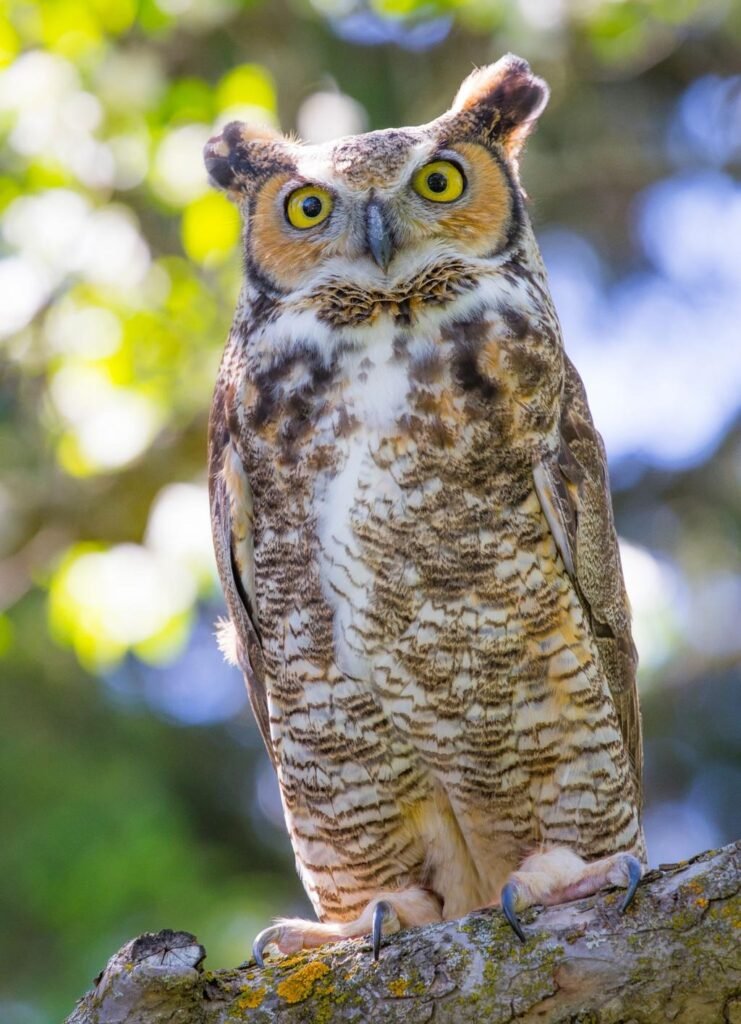
Wisdom and knowledge
Owls often represent intelligence, learning, thoughtful judgment, and the pursuit of truth. Their association with wisdom is particularly strong in Western imagery influenced by ancient Greek mythology.
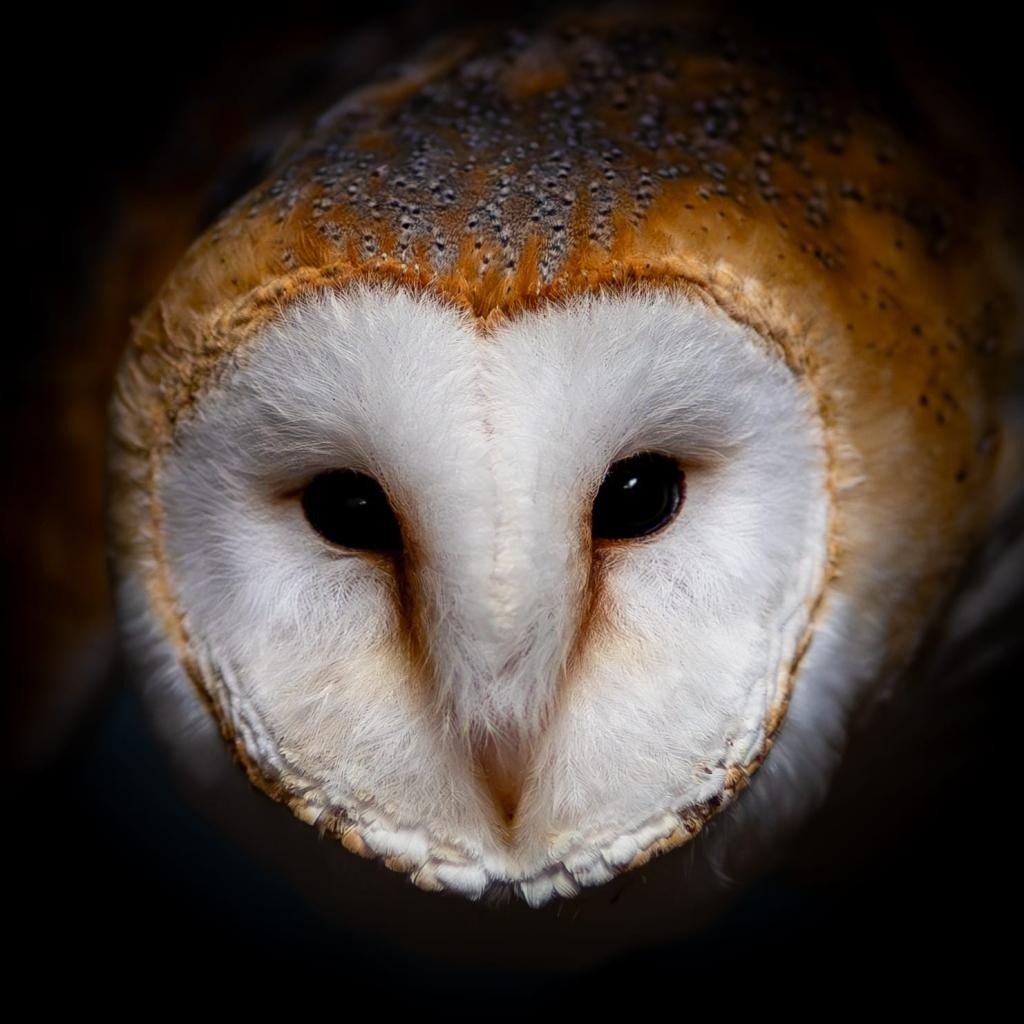
Intuition and perception
An owl’s keen hearing and ability to hunt in low light inspire associations with awareness, observation, and recognizing details that others miss.
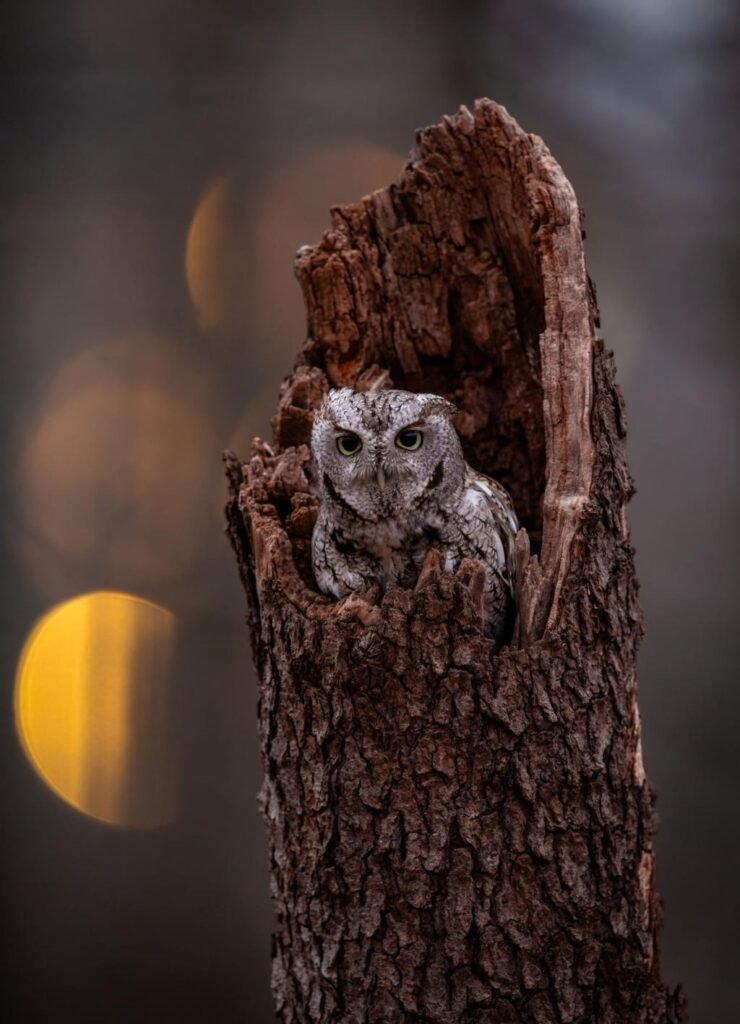
Mystery and the unknown
Because many owls are nocturnal, they are frequently connected with darkness, secrets, hidden knowledge, dreams, and the unseen aspects of existence.

Independence and adaptability
An owl’s solitary hunting habits and ability to thrive in particular nighttime environments can symbolize self-reliance, patience, and adapting to changing circumstances.
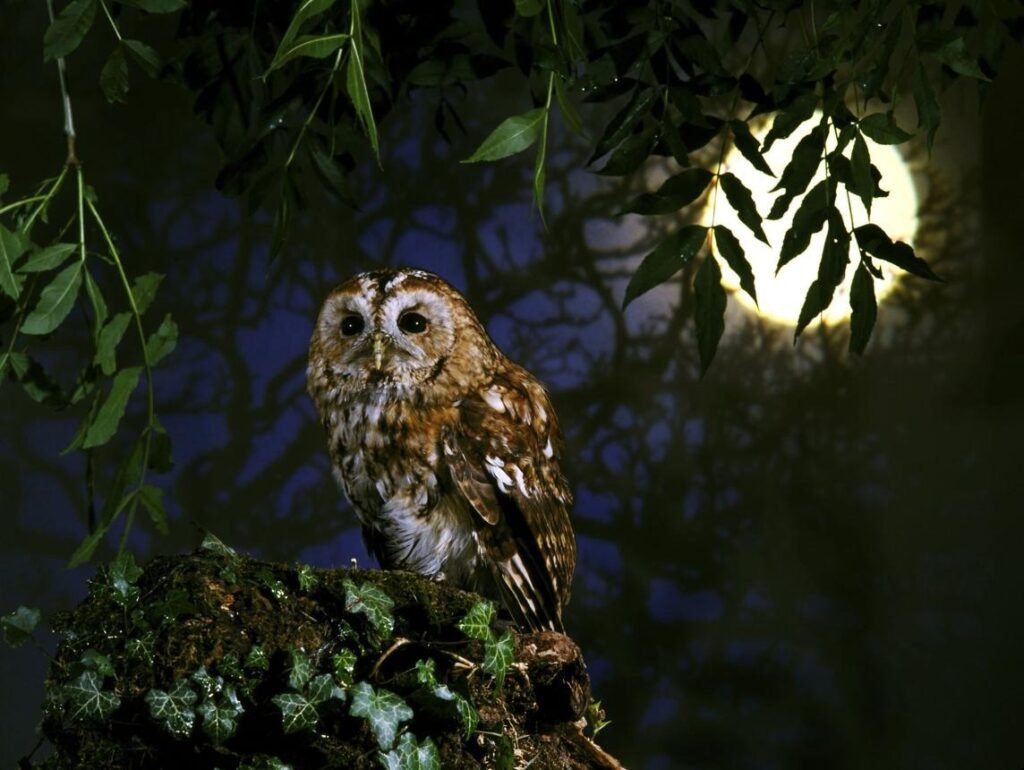
Death and transformation
Some traditions associate owl calls or nighttime appearances with death or impending change. Symbolically, these associations may also represent endings, transitions, and the beginning of a new stage of life.
These meanings are not mutually exclusive. An owl in a novel might represent wisdom and danger simultaneously, while an owl in a conservation campaign might symbolize ecological balance and the importance of protecting wildlife.
2. Historical Origins of Owl Symbolism
Owl symbolism developed through the relationship between humans and the natural world. Long before modern wildlife research, people observed owls appearing at night, making distinctive calls, and hunting in darkness. These unusual behaviors encouraged stories and beliefs about their connection to supernatural forces.
Ancient Greece: The owl as a symbol of wisdom

7
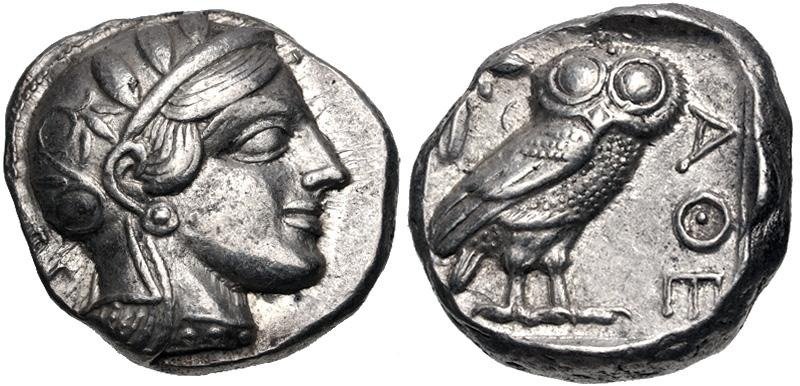
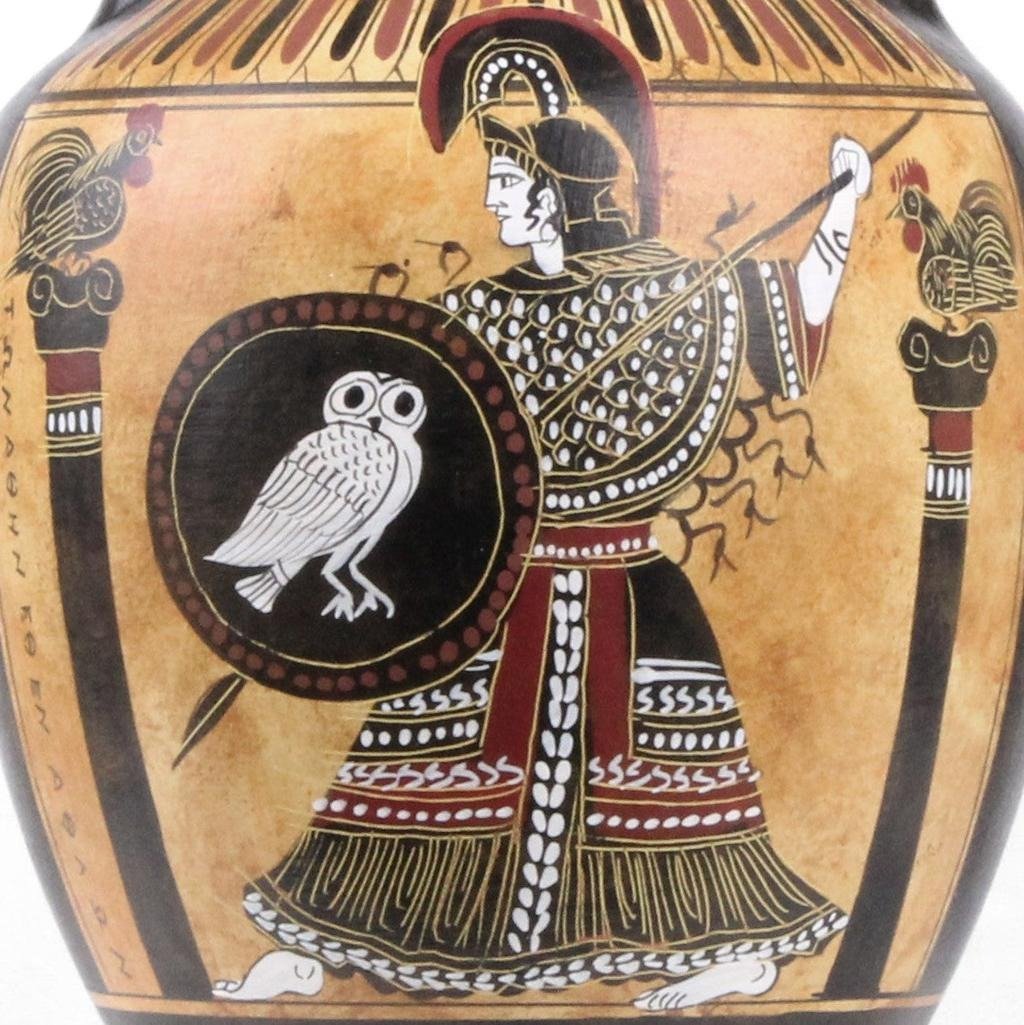
One of the best-known historical associations connects the owl with Athena, the ancient Greek goddess of wisdom, strategic warfare, and crafts.
The little owl, Athene noctua, became closely associated with Athena and the city of Athens. Owl imagery appeared on Athenian coins, including the famous silver tetradrachms that circulated widely in the ancient Mediterranean.
The connection helped establish the owl as an enduring emblem of knowledge, discernment, and civic identity. In later Western art and education, the owl continued to represent scholarship and intellectual achievement.
However, the modern idea that every owl symbolizes wisdom is not universal. The Greek association is an influential historical tradition, not a meaning shared by every society.
Ancient Rome and the interpretation of omens
In ancient Roman religious culture, birds could be interpreted as signs connected with divine intentions. The observation and interpretation of bird behavior formed part of practices known as augury.
Owls sometimes appeared in accounts of unfavorable omens, particularly because of their nighttime calls and unusual presence in inhabited areas. Their associations could therefore include warning, misfortune, or death.
Roman attitudes toward owls were not necessarily identical across all periods and circumstances. More broadly, these traditions demonstrate how the same animal could be associated with intelligence in one context and danger in another.
Medieval Europe and folklore
During the medieval period, European folklore increasingly connected nighttime creatures with the mysterious and supernatural. Owls sometimes appeared in stories about darkness, danger, abandoned places, and the boundary between familiar life and the unknown.
These associations varied across regions and stories. It would be inaccurate to suggest that every medieval European community viewed owls negatively.
Over time, literature, paintings, religious imagery, and popular storytelling helped preserve both the owl’s darker associations and its established reputation for wisdom.
3. Owl Symbolism Across Different Cultures
The meaning of an owl changes considerably across cultural settings. A symbol that suggests knowledge in one tradition may signal danger, spiritual power, or protection in another.
| Cultural context | Common association | Important context |
| Ancient Greek tradition | Wisdom and Athena | Strongly connected with a particular goddess and Athenian identity |
| Ancient Roman traditions | Omens and warnings | Some owl appearances were interpreted as unfavorable signs |
| Some Indigenous American traditions | Varies by nation and community | Stories and meanings differ significantly among Indigenous peoples |
| Hindu traditions | Lakshmi and prosperity | The owl is associated with Lakshmi in several traditions and forms of religious imagery |
| Some African cultural traditions | Warnings, witchcraft, or spiritual significance | Interpretations vary widely among communities and should not be generalized |
| Contemporary Western culture | Intelligence, mystery, education | Influenced by classical mythology, books, films, and school imagery |
Owl symbolism in Indigenous American traditions
There is no single Indigenous American interpretation of the owl. Indigenous nations possess distinct languages, histories, spiritual practices, and relationships with local wildlife.
In some community-specific stories, owls may be connected with warnings, death, nighttime knowledge, or spiritual beings. Other narratives may give owls different roles altogether.
These meanings should be understood within their particular cultural and storytelling contexts rather than presented as beliefs held by all Indigenous peoples.
Expert tip: When researching an owl story from an Indigenous tradition, identify the specific nation or community and consult sources that represent that community’s own knowledge. This is more accurate than treating diverse traditions as one belief system.
Owl symbolism in Hindu traditions

In several Hindu traditions, an owl is associated with Lakshmi, the goddess connected with prosperity, abundance, good fortune, and well-being. The owl is commonly represented as her vahana, or vehicle.
This association creates an interesting symbolic relationship between wealth and discernment. Prosperity can be valuable, but the ability to recognize how wealth should be used is also important.
Interpretations of the owl within Hindu religious imagery vary. Some explanations emphasize prosperity and auspiciousness, while others explore the potential dangers of greed, ignorance, or attachment to material wealth.
It is therefore better to understand the owl’s significance through the particular religious story, artwork, or community interpretation rather than assign it one fixed meaning.
Owl symbolism in African traditions
Across Africa, owl-related beliefs differ among communities, languages, and religious traditions. In some contexts, owls have been associated with witchcraft, death, misfortune, or supernatural warnings. Other interpretations may emphasize their natural behavior or place them within different local stories.
These beliefs should not be treated as universal African views. Africa contains a vast diversity of cultural traditions, and attitudes toward owls have changed through time and contact between religious and cultural systems.
The broader lesson is that symbolism develops through a combination of local ecology, storytelling, religious ideas, and historical experience.
4. Spiritual Meaning of Owls
In contemporary spiritual interpretations, owls are often described as symbols of intuition, inner wisdom, spiritual awareness, and transformation. People may use owl imagery as a reminder to pause, observe carefully, and reflect before making important decisions.
These interpretations belong to spiritual and symbolic belief systems. They are not scientifically established evidence that an owl carries a supernatural message.
Owls as symbols of intuition
An owl’s ability to locate prey in darkness offers a compelling metaphor for trusting careful observation when a situation is unclear.
Spiritually, this may encourage a person to examine their feelings, recognize overlooked details, and approach uncertainty with patience.
For example, someone facing a difficult career decision might use an owl image as a personal reminder to gather information and think independently rather than act impulsively.
Owls as symbols of transformation
Because owls are associated with nighttime and hidden things, they can symbolize the process of confronting uncertainty and moving toward greater understanding.
In personal reflection, an owl may represent a transition from confusion to clarity or from an old perspective to a new one.
This is a metaphorical interpretation rather than a prediction that a specific event will occur.
Are owls spirit animals?
In modern spiritual and popular culture, people sometimes use the term spirit animal to describe an animal they associate with personal qualities or spiritual guidance.
However, the term has particular cultural associations and should not be used to suggest that all Indigenous traditions share one concept. A more neutral expression is personal animal symbol when discussing an individual’s connection to an owl.
Someone who feels drawn to owls might associate them with independence, careful observation, or learning to tolerate uncertainty. The significance comes from personal reflection and the individual’s own beliefs.
5. Psychological Meaning of Owls
From a psychological perspective, owl symbolism illustrates how humans interpret the natural world through perception, memory, emotion, and culture.
The owl’s large eyes, forward-facing gaze, and nighttime activity make it visually distinctive. These features can inspire impressions of attentiveness, intelligence, secrecy, or eeriness.
Yet symbolic meaning does not establish an owl’s psychological effect on every observer. A person who grew up hearing positive stories about owls may find them reassuring, while someone familiar with frightening folklore may feel uneasy around them.
Why do owls seem wise?
Several cultural factors contribute to this association:
- Classical mythology: The connection between Athena and the owl reinforced the bird’s relationship with knowledge.
- Visual design: Large eyes and a steady gaze can suggest attention and thoughtfulness in illustrations.
- Education and storytelling: Owls frequently appear as teachers, librarians, scholars, and guides in children’s books and popular media.
- Learned associations: Repeated exposure to owl imagery in educational settings strengthens the link between owls and intelligence.
This process demonstrates how visual communication and cultural learning shape the meaning of an animal symbol.
Why can owls also seem frightening?
Nocturnal behavior, unfamiliar calls, sudden movement, and the darkness of their habitat can contribute to a sense of mystery or unease.
In stories, these features may be used to create suspense or suggest that something important is about to happen. Such storytelling choices are not proof that owls are dangerous omens.
Understanding the difference between emotional response and factual evidence helps readers interpret animal symbolism more critically.
6. Owl Symbolism in Dreams
Owls in dreams are sometimes interpreted as symbols of wisdom, intuition, uncertainty, observation, or personal change. However, dream meanings are not universal, and there is no reliable scientific method for assigning one fixed meaning to a particular owl dream.
The dreamer’s emotions, experiences, and cultural background matter more than a generic symbol dictionary.
| Dream scenario | Possible symbolic interpretation |
| A calm owl watching you | Awareness, reflection, or a desire for clarity |
| A flying owl | Freedom, changing perspective, or independence |
| An owl calling at night | An issue demanding attention or an unsettling experience |
| A white owl | Clarity, mystery, or a personal association with purity |
| An owl inside a house | Something unfamiliar entering a familiar space |
| A threatening owl | Fear, uncertainty, or tension within the dream |
These are possible interpretations, not predictions or diagnostic conclusions.
For example, a person who dreams about an owl while studying for an important examination might connect it with knowledge or concentration. Someone who recently encountered an owl in a frightening film might instead associate it with suspense.
Practical exercise: After an owl dream, write down what happened, how you felt, and what the bird reminds you of personally. This approach encourages reflection without assuming the dream predicts the future.
7. Owl Symbolism in Religion and Mythology
Owls appear in religious and mythological imagery because they offer a vivid way to represent ideas that are difficult to express directly, such as wisdom, hidden knowledge, death, and spiritual uncertainty.
In Greek mythology, the owl’s association with Athena connects it to wisdom and strategic judgment. In Hindu imagery, the owl’s relationship with Lakshmi creates connections with prosperity and the responsibilities that accompany wealth.
In some folklore traditions, owls are associated with death or the supernatural. These interpretations often emerge from stories about nighttime calls, unfamiliar sounds, or the appearance of a wild animal near a settlement.
Religious symbolism is not the same as zoological fact. An owl’s presence does not establish that a deity is communicating, that misfortune is approaching, or that a supernatural event has occurred.
Myth vs. fact
Myth: An owl’s call predicts death.
Fact: Owl calls are forms of animal communication. Their interpretation as omens belongs to particular cultural traditions, not established scientific prediction.
Fact: Many owls have exceptional sensory adaptations.
Their hearing and specialized feathers help many species hunt effectively in low-light conditions, providing a natural basis for symbolic associations with perception and darkness.
Myth: Every culture considers owls wise.
Fact: Owl meanings vary. Wisdom is influential in some traditions, while others associate owls with warnings, death, spiritual power, or different ideas.
8. Owls in Art, Literature, and Storytelling
Artists and writers use owls because their appearance can communicate several ideas at once. An owl perched above a character might suggest wisdom, observation, secrecy, or an approaching revelation, depending on the surrounding story.
Owls as literary symbols
In literature, an owl may serve as a character, a recurring image, or a metaphor. Its interpretation depends on the work’s setting, themes, and narrative development.
An owl that appears during a character’s moment of realization might reinforce the theme of wisdom. One that calls in an isolated landscape might contribute to suspense or suggest the presence of something unknown.
Writers should avoid relying entirely on familiar symbolism. An unexpected interpretation can be effective when the story establishes a convincing context.
Owls in children’s books and popular culture


12
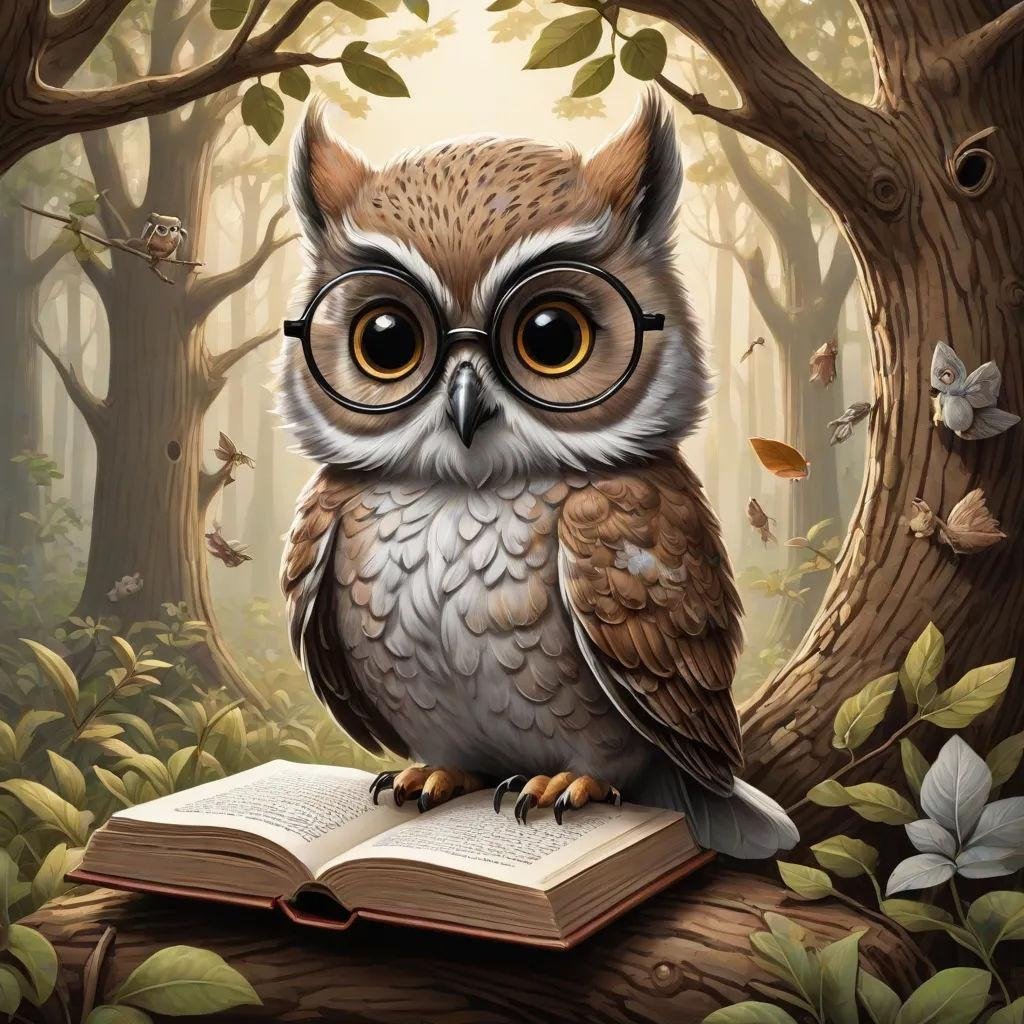
Children’s literature frequently portrays owls as teachers, wise elders, or knowledgeable guides. Their large eyes and composed expressions make them recognizable visual shorthand for intelligence.
The owl’s educational symbolism also appears in school mascots, book covers, learning applications, and academic illustrations.
In contemporary entertainment, however, owls can also be mysterious companions, magical messengers, or symbols of secret knowledge. Their role depends on the creative world in which they appear.
Owls as symbols in visual art
Artists can emphasize different aspects of owl symbolism through composition and color.
- A brightly lit owl against a dark background can suggest revelation or awareness.
- An owl surrounded by books can reinforce knowledge and scholarship.
- An owl beneath a moon can evoke solitude, nighttime, or mystery.
- An owl placed within a natural landscape can communicate wildlife conservation and ecological importance.
In semiotics, these visual choices function as signs whose meanings depend on the relationship between the image and its cultural context.
9. Color Symbolism and Different Owl Species
The owl’s species, appearance, and environment can influence how people interpret its symbolic meaning. However, there is no universal symbolic code assigning a fixed spiritual message to every owl color or species.
White owl symbolism
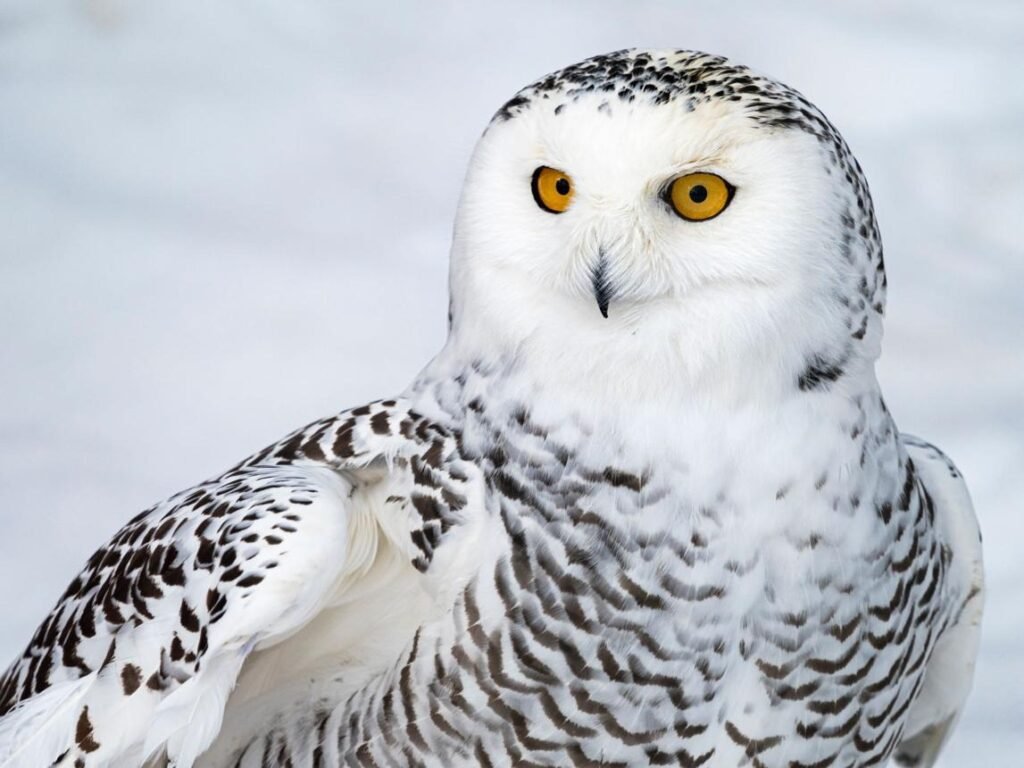
White owls are sometimes associated with clarity, purity, mystery, or spiritual awareness. These interpretations often draw on broader cultural associations with the color white, rather than a universal belief about white owls.
Brown owl symbolism
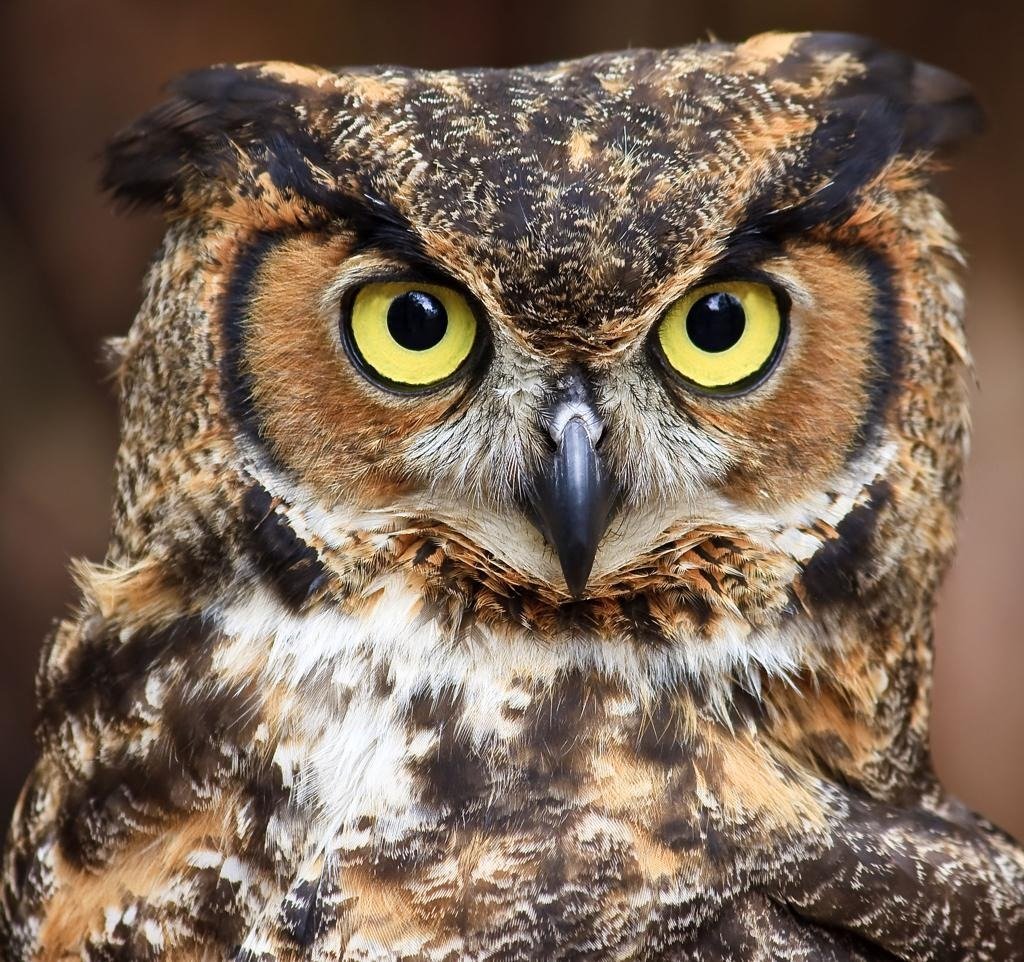
Brown owls may evoke stability, groundedness, resilience, and a connection with the natural world. These meanings are interpretive associations rather than established properties of brown feathers.
Tawny owl symbolism
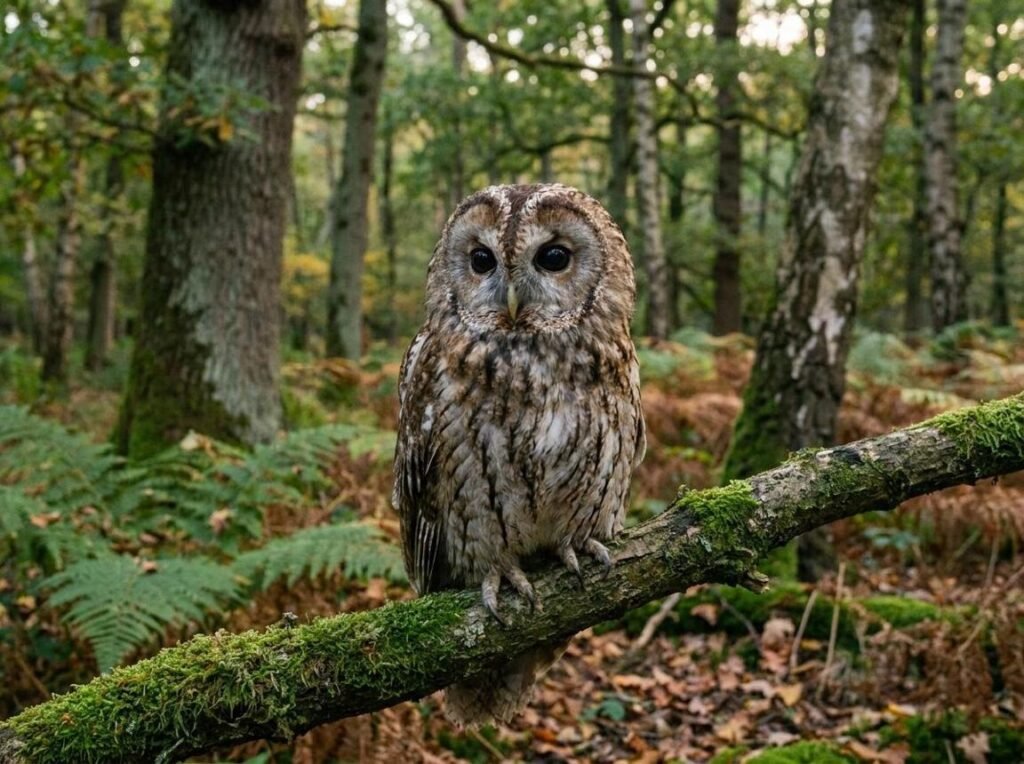
Tawny owls may be used in art and storytelling to evoke woodland mystery, observation, or quiet independence. Their actual significance depends on the surrounding narrative or cultural tradition.
Great horned owl and eagle owl imagery
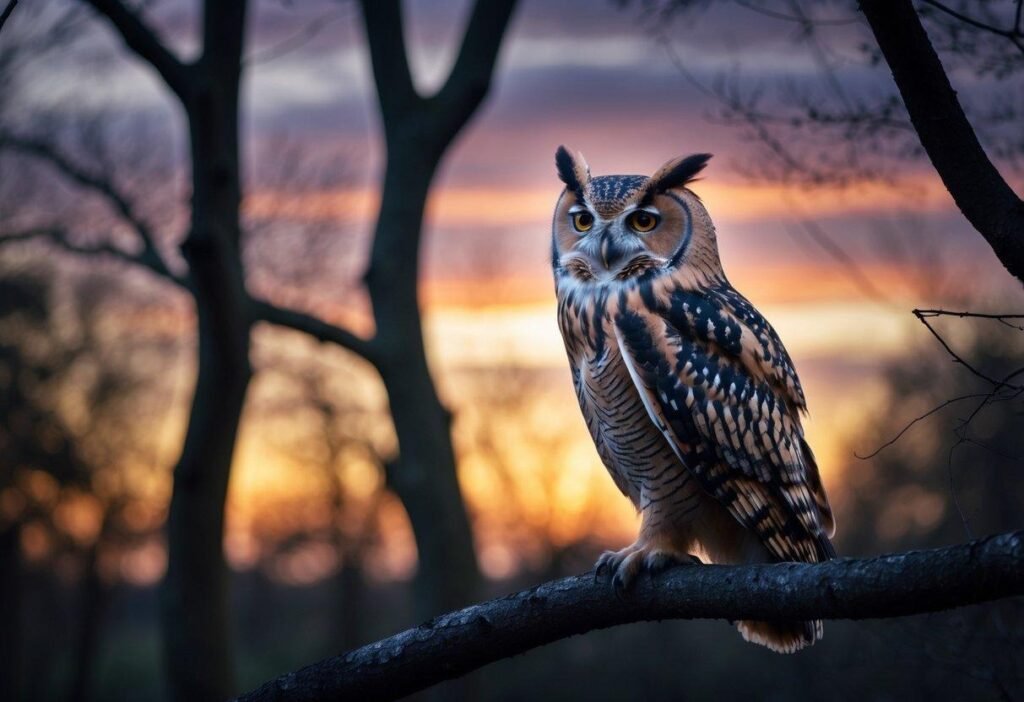
Their prominent ear tufts and imposing appearance can communicate strength, vigilance, or authority in visual design. Such associations arise from how people perceive their appearance, not from a universal symbolic tradition.
10. Practical Applications of Owl Symbolism Today
Owl symbolism remains relevant because it offers a familiar visual language for communicating ideas about learning, attention, mystery, and nature.
Branding and marketing
Organizations may use owls to communicate knowledge, reliability, careful observation, or expertise.
Educational publishers, tutoring services, libraries, and learning platforms can use owl imagery to reinforce an association with study and intellectual growth.
However, a symbol’s effectiveness depends on the audience and brand identity. A playful owl might suit a children’s learning application, while a realistic owl could better support a wildlife conservation organization.
Education and visual communication
Teachers can use owl symbolism to introduce mythology, compare cultural beliefs, and explore the difference between observation and interpretation.
For example, students might compare an ancient Greek owl image with a modern school mascot. They could then discuss how a symbol retains some meanings while gaining others.
This activity connects art history, cultural identity, visual literacy, and critical thinking.
Interior design and personal expression
Owl sculptures, illustrations, jewelry, and decorative objects are often chosen because of their associations with knowledge, nature, mystery, or personal interests.
An owl-themed study space may communicate a love of learning, while an owl artwork in a natural setting may reflect an appreciation for wildlife.
These objects do not possess a universal spiritual effect. Their significance comes from the meanings assigned by the people who choose and display them.
Digital media and social communication
In digital communication, owl illustrations and emojis can convey nighttime activity, attentiveness, intelligence, or playful curiosity.
Their meaning depends on context. An owl image in a study group might refer to learning, while the same image in a nighttime conversation might simply suggest staying awake late.
This flexibility helps explain why animal symbols remain effective in a world increasingly shaped by visual communication.
11. Common Mistakes When Interpreting Owl Symbolism
Understanding owl symbolism requires attention to context. Several common mistakes can lead to inaccurate or overly simplistic interpretations.
- Assuming all owls symbolize wisdom: The association is influential, but it is not universal.
- Treating cultural beliefs as scientific facts: Spiritual interpretations and folklore should be distinguished from evidence about animal behavior.
- Generalizing entire cultures: Different communities within the same country or religious tradition may interpret owls differently.
- Assuming every owl encounter has a hidden message: Seeing an owl may be an ordinary wildlife experience without any special personal significance.
- Ignoring the setting: An owl in a religious painting may communicate something different from an owl in a horror film or educational poster.
- Confusing symbolic meaning with animal behavior: Real owls hunt, communicate, reproduce, and respond to their environments. Their actions do not need supernatural explanations.
The most useful approach is to consider the source, context, and purpose of the symbol before deciding what it means.
12. Did You Know? Facts About Owls

Owls have forward-facing eyes
Their eyes support binocular vision, helping them judge distances. This distinctive appearance has contributed to their visual association with concentration and awareness.
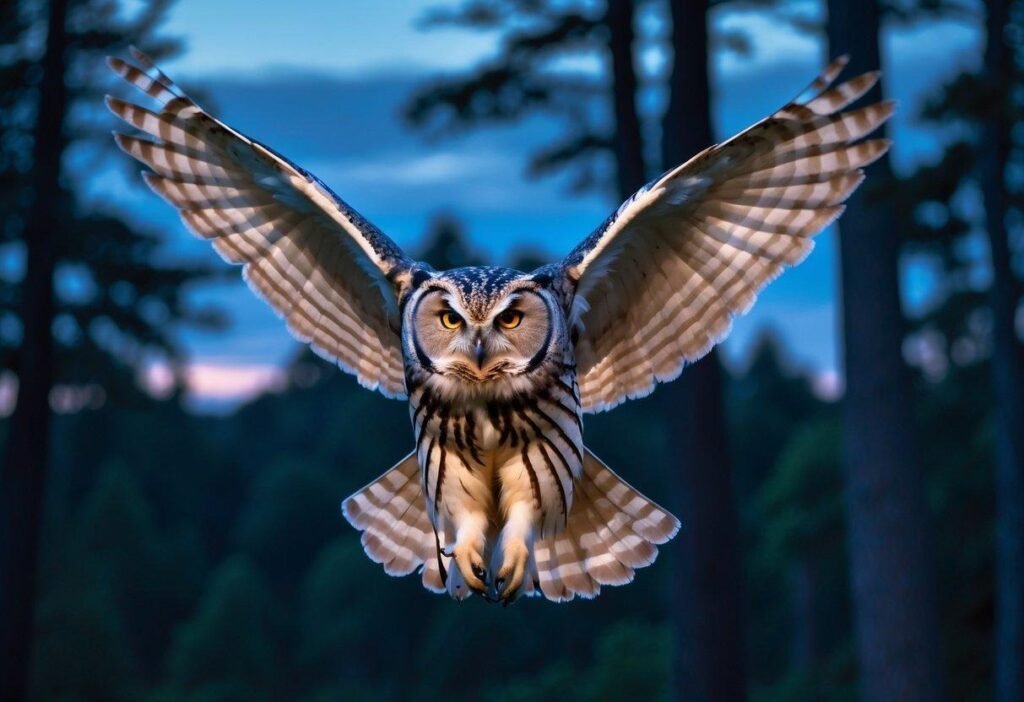
Many owls fly quietly
Specialized feather structures help reduce flight noise in many owl species. This adaptation contributes to their reputation for secrecy and silent movement.
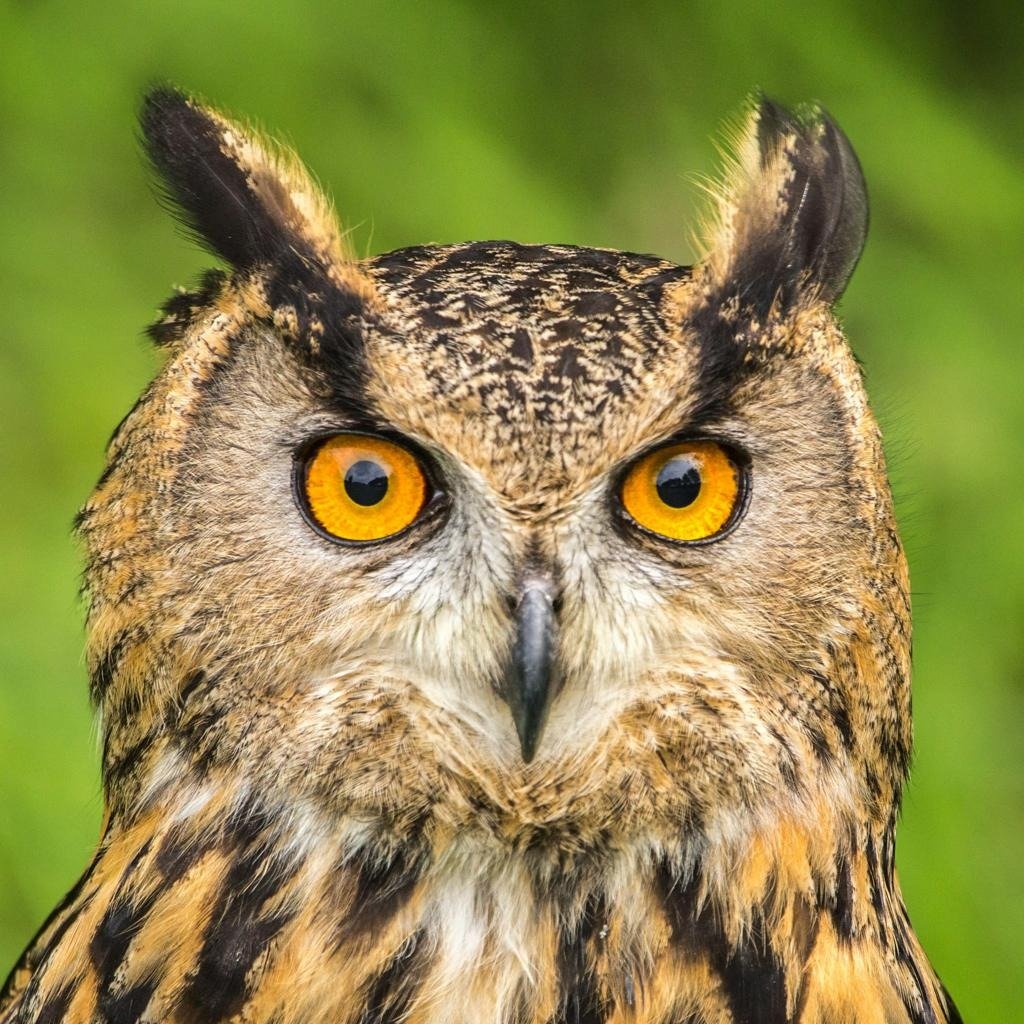
Owl ear tufts are not external ears
The feather tufts seen on some species are not the ears themselves. Owls have specialized hearing structures that help many species locate prey.

The owl has a long cultural history
Its association with Athena appears in ancient Greek art and coinage, helping establish one of the most enduring animal symbols of wisdom.
13. Frequently Asked Questions About Owls Symbolism
1. What does an owl symbolize spiritually?
Spiritually, owls are often interpreted as symbols of wisdom, intuition, awareness, mystery, and transformation. Some traditions also connect them with protection, death, or spiritual warnings. These meanings depend on the belief system and personal context; they are not universal or scientifically established messages.
2. Are owls a symbol of good luck or bad luck?
Owls can symbolize either good or bad luck, depending on the cultural tradition. Their connection with wisdom and prosperity can make them positive symbols, while certain folklore traditions interpret their calls or appearances as warnings. There is no scientific evidence that seeing an owl determines future luck.
3. What does it mean when you see an owl at night?
Seeing an owl at night usually means you have encountered a bird engaging in its normal behavior. Symbolically, some people associate the experience with intuition, observation, or mystery. If the encounter feels personally meaningful, you can reflect on your own associations without assuming that it predicts a particular event.
4. Why are owls associated with wisdom?
Owls are associated with wisdom partly because of their connection to Athena, the ancient Greek goddess of wisdom. Their large forward-facing eyes and attentive appearance also make them effective symbols of intelligence in art, literature, and educational imagery. This is a cultural association rather than proof that owls are wiser than other birds.
5. What does a white owl symbolize?
A white owl may symbolize clarity, purity, mystery, or spiritual awareness in some modern symbolic interpretations. Its meaning depends on the artwork, tradition, or personal context. White owls do not have one universally accepted spiritual meaning, and their appearance does not establish that a supernatural event is occurring.
6. What does an owl symbolize in dreams?
An owl in a dream may represent wisdom, uncertainty, observation, or a changing perspective, depending on the dreamer’s experiences and feelings. Dream interpretation is subjective, and no single explanation applies to everyone. Reflecting on the dream’s setting and emotional tone can be more useful than relying on a fixed symbolic definition.
Conclusion: Why Owl Symbolism Still Matters
Owls symbolism demonstrates how an animal can become a powerful expression of human ideas, emotions, and cultural values.
Through mythology, religious imagery, folklore, psychology, art, and literature, owls have come to represent wisdom, intuition, mystery, transformation, and sometimes death or misfortune.
Their meanings are shaped by history and context.
The association between owls and Athena helped establish wisdom as a familiar Western symbol, while other cultural traditions developed different interpretations.
Modern education, branding, storytelling, and digital communication continue to adapt these associations.
Understanding owl symbolism does not require accepting every spiritual interpretation as fact. Instead, it involves distinguishing cultural beliefs from scientific evidence, respecting differences among traditions, and considering how images communicate meaning.
Ultimately, the owl’s enduring appeal lies in its ability to represent the relationship between what is visible and what remains unknown.
Whether it appears in a myth, a dream, a book, or a real woodland encounter, the owl invites people to observe carefully, question assumptions, and explore the meanings they attach to the natural world.
Key Takeaways
- Owls commonly symbolize wisdom, intuition, mystery, observation, and transformation.
- Owl meanings vary across cultures, religions, and historical periods.
- Ancient Greek mythology strongly influenced the owl’s association with wisdom.
- Some traditions connect owls with omens, death, protection, or prosperity.
- Spiritual and dream interpretations are subjective, not scientifically established predictions.
- Owl imagery remains useful in education, branding, literature, art, and digital communication.
- Context is essential for interpreting an owl symbol accurately.
Semantic Entities, NLP Concepts, and Related Keywords
The following related terms help organize the article’s subject matter and identify relevant subtopics for a symbolism-focused website.
Primary keyword: owls symbolism
Secondary and long-tail keywords:
- Owl symbolism meaning
- Spiritual meaning of owls
- Owl symbolism across cultures
- Wisdom and owl symbolism
- Owl meaning in dreams
- White owl symbolism
- Owl as a symbol of intuition
- Owl mythology and folklore
- Owl symbolism in literature
- Owl symbolism in religion
- Owls as omens
- Owl meaning in art and culture
- Owl symbolism in ancient Greece
- Athena and the owl
- Owl symbolism in Hindu traditions
Major semantic entities:
- Owls and nocturnal birds
- Athena and ancient Greek mythology
- Lakshmi and Hindu religious imagery
- Roman augury and bird omens
- Indigenous cultural traditions
- Folklore and mythology
- Psychology and dream interpretation
- Literature, iconography, and visual art
- Semiotics and visual communication
- Branding, education, and digital media
- Wildlife behavior and conservation
Topical relationships:
| Main topic | Related concepts |
| Owl wisdom | Athena, education, knowledge, intelligence |
| Owl spirituality | Intuition, reflection, transformation, personal belief |
| Owl mystery | Night, darkness, uncertainty, hidden knowledge |
| Owl cultural history | Mythology, folklore, religious traditions, omens |
| Owl psychology | Perception, learned associations, emotional responses |
| Owl visual symbolism | Art, design, iconography, semiotics |
| Owl symbolism today | Branding, learning, storytelling, digital communication |
| Evidence and interpretation | Zoology, cultural history, critical thinking |
These semantic relationships support a coherent topic cluster around owl symbolism while keeping the article readable, context-sensitive, and useful for readers. No article can guarantee search rankings or AI-search visibility, but clear definitions, accurate context, helpful examples, and credible sourcing provide a stronger foundation for publication.

Understand color meanings, psychology, and visual symbolism with Charlotte Monroe.
