
Introduction: What Does Panther Symbolism Mean?
Panther symbolism is closely associated with power, courage, mystery, independence, protection, and the strength to move confidently through the unknown.
As a powerful and elusive big cat, the panther captures the human imagination through its silent movements, intense presence, and ability to navigate darkness.
Across spiritual traditions, mythology, literature, art, and modern culture, the panther often represents qualities that are difficult to see but impossible to ignore: inner strength, instinct, self-reliance, and hidden potential.
People search for the meaning of a panther when they encounter the animal in a dream, notice it repeatedly in artwork, feel drawn to its image, or want to understand its spiritual significance.
Others explore panther symbolism for tattoos, personal development, storytelling, branding, or cultural research.
However, the panther does not have one universal symbolic meaning.
Interpretations vary according to geography, folklore, religious traditions, personal experience, and the context in which the animal appears.
A panther may represent a guardian in one story, a dangerous predator in another, or a symbol of independence and transformation in contemporary art.
Understanding these different interpretations helps reveal why the panther remains such a compelling symbol.
Its meaning comes not only from cultural beliefs but also from the animal’s real characteristics: stealth, physical strength, adaptability, patience, and remarkable sensory awareness.
Panther Symbolism: A Quick Definition
Panther symbolism refers to the meanings people associate with panthers, especially power, courage, independence, mystery, protection, and instinct. In spiritual interpretations, the panther may represent inner transformation, hidden wisdom, or confidence during uncertain times. Its specific meaning depends on cultural context, personal associations, and the circumstances in which the animal is encountered.
1. The Core Meanings of Panther Symbolism
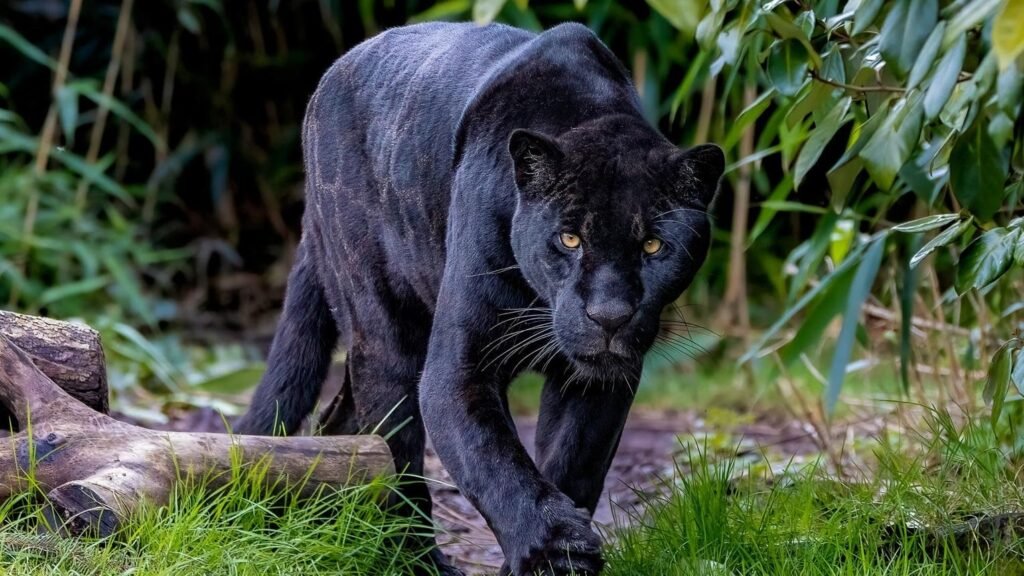
The panther is a multifaceted symbol. Its physical characteristics inspire associations with strength and stealth, while its dark appearance often encourages interpretations involving mystery, the unknown, and hidden aspects of the self.

6
Here are the most common symbolic interpretations.
| Symbolic meaning | What it represents | Practical interpretation |
| Power | Physical and inner strength | Recognize your capabilities without dominating others. |
| Protection | Vigilance and guardianship | Establish boundaries and protect what matters. |
| Mystery | The unknown and hidden knowledge | Remain curious when answers are not immediately available. |
| Independence | Self-reliance and autonomy | Trust your judgment while remaining open to advice. |
| Courage | Facing uncertainty | Take thoughtful action despite fear. |
| Intuition | Awareness and instinct | Pay attention to observations and feelings without treating them as infallible. |
| Transformation | Personal growth and change | Release outdated habits and develop new strengths. |
| Patience | Timing and restraint | Wait for the right opportunity rather than acting impulsively. |
| Confidence | Quiet authority and composure | Let competence speak louder than constant self-promotion. |
These meanings are interpretations, not universal rules. A panther in a story about danger might symbolize a threatening force, while the same animal in a story about survival might represent resilience and protection.
Why Is the Panther Considered a Symbol of Power?
The panther symbolizes power because it combines strength, agility, stealth, and the ability to act decisively. Unlike symbols that communicate authority through size or spectacle, the panther often suggests controlled power: the capacity to observe, wait, and respond at the right moment.
This distinction makes the panther especially meaningful in personal development. It can represent someone who does not need constant recognition to feel capable.
For example, a leader inspired by panther symbolism might listen carefully before making a decision, protect a team from unnecessary pressure, and act decisively when a difficult situation demands it.
The underlying lesson is that strength does not always require aggression. Sometimes, restraint is the clearest sign of confidence.
Why Does the Panther Symbolize Mystery?
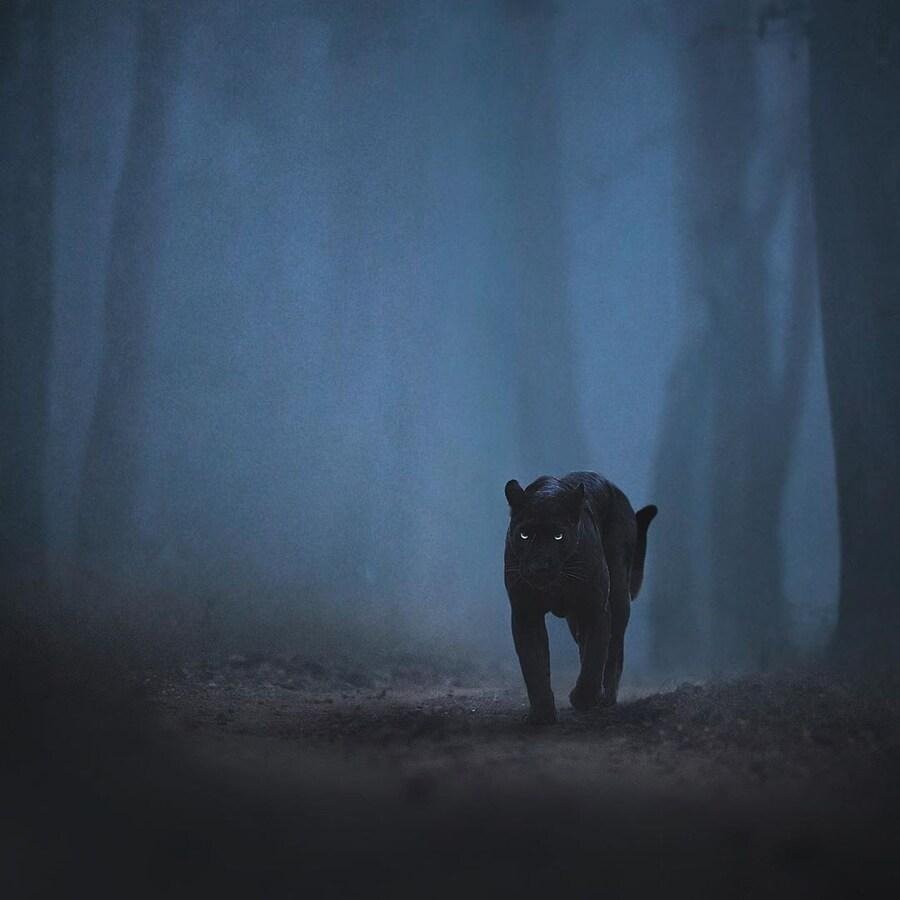
Panther symbolism is strongly associated with mystery because the animal can be difficult to see in its natural environment, particularly when its dark coat blends with low-light surroundings.
In art and storytelling, this quality makes the panther an effective representation of hidden motives, secrets, unspoken emotions, and the unknown.
A novelist might introduce a panther-shaped shadow before revealing a character’s true intentions. A designer might use a dark panther silhouette to suggest exclusivity or intrigue. A person reflecting on the symbol might interpret it as a reminder to explore feelings or questions they have avoided.
Mystery does not necessarily mean something supernatural. It can simply represent the parts of life that remain uncertain or undiscovered.
2. What Is a Panther, and Why Does Its Identity Matter?
Before exploring the panther’s symbolism, it is important to understand what the word actually means.
A black panther is not a separate species of big cat. The term commonly refers to a melanistic leopard (Panthera pardus) or jaguar (Panthera onca). Melanism is a genetic condition associated with increased dark pigmentation. The underlying spots or rosettes may still be visible under suitable lighting.
National Geographic
+1
This biological distinction matters because the animal’s identity can influence its cultural associations.
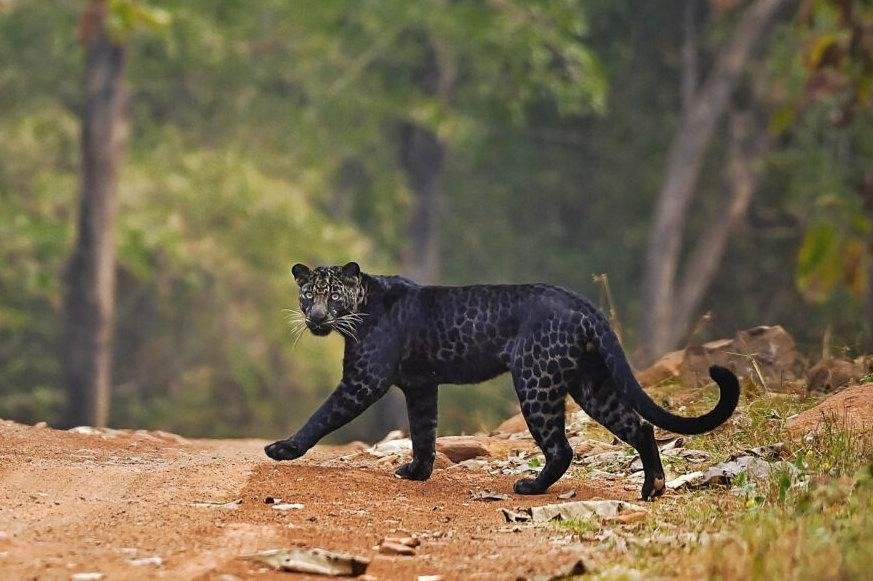
Black leopard
Africa and Asia
Leopards are known for adaptability, climbing ability, and solitary habits. In symbolic interpretation, these traits can suggest resourcefulness, independence, and the ability to navigate changing circumstances.
IELC LibGuides
+1

Black jaguar
Central and South America
Jaguars have a powerful build and are strongly associated with the ecosystems of the Americas. In artistic and cultural interpretations, jaguar imagery may convey formidable strength, authority, and a connection with the natural world.
A third distinction is also important: the word panther can refer more broadly to members of the big-cat genus Panthera, depending on the context. In everyday symbolism, however, people often mean the striking black-coated animal.
Expert tip: When researching panther symbolism for an article, artwork, or tattoo, identify whether the reference is a leopard, jaguar, historical panther image, or fictional character. This makes cultural and historical interpretations more accurate.
3. Historical Origins and Evolution of Panther Symbolism
The panther’s symbolic history is not a single continuous tradition. Different societies developed their own relationships with large cats, and the meanings associated with them changed across time.
Ancient Civilizations and the Power of Big Cats
In ancient societies, large predators could represent both danger and prestige. Their strength made them compelling subjects for art, ceremonial objects, royal imagery, and stories about the relationship between humans and the natural world.
Archaeological and cultural records document leopard imagery in ancient Anatolian contexts, including representations associated with Neolithic settlements such as Çatalhöyük. Historical references also describe big-cat imagery in ancient Mesopotamian and Egyptian traditions. These records concern leopards and related big cats more broadly; they should not all be interpreted as references to modern black panthers.
IELC LibGuides
The broader symbolic connection is understandable. A predator that could threaten people, hunt efficiently, and move through difficult terrain was an animal that demanded attention and respect.
Depending on the society, such animals could become symbols of authority, danger, sacred power, or human vulnerability.
Panther Imagery in Ancient Egypt
Leopard imagery appears in ancient Egyptian art and funerary contexts. Leopard skins are documented in depictions of ritual and ceremonial life, and the animal became part of a visual language associated with status and religious practice.
IELC LibGuides
It would be inaccurate, however, to assume that every leopard image represented the same deity or carried an identical spiritual meaning.
The broader lesson is that animal symbolism develops through particular social practices. A leopard skin worn in a ritual context communicates something different from a predator depicted during a hunt.
The Panther in Medieval European Symbolism
Medieval European bestiaries combined observations of animals with religious allegory, moral lessons, and inherited stories.
In some Christian bestiary traditions, the panther was interpreted as a figure of Christ. A legendary account described the animal resting and later emerging with a fragrant breath that attracted other creatures. Christian writers connected this narrative with Christ’s resurrection and the drawing of people toward spiritual truth.
Kent History & Archaeology
These descriptions are evidence of medieval symbolic thought, not zoological fact. The stories show how writers used animals to explain religious ideas through vivid, memorable imagery.
The panther could therefore represent gentleness and ferocity at once: compassion toward those drawn to it and strength against evil.
From Historical Emblem to Modern Cultural Icon
In modern culture, the panther has acquired additional meanings through sports mascots, fashion, film, literature, political movements, and popular entertainment.
The Marvel character Black Panther, introduced in 1966, made the image internationally recognizable through the fictional African nation of Wakanda and its king, T’Challa. The character’s significance includes leadership, technological achievement, representation, identity, and responsibility. The Smithsonian’s National Museum of African American History and Culture explores the character’s origins and cultural impact.
nmaahc.si.edu
This modern example demonstrates that symbols are not static. They gain new associations as creators and audiences reinterpret them.
A panther image can evoke ancient animal imagery, modern superhero storytelling, athletic identity, or individual self-expression—all depending on its context.
4. Panther Spiritual Meaning: What Does a Panther Represent Spiritually?
Spiritually, the panther is often interpreted as a symbol of inner strength, personal protection, intuition, and transformation. In contemporary spiritual writing, its dark appearance is also associated with exploring uncertainty and becoming more comfortable with the parts of oneself that remain unexplored.
These interpretations belong to spiritual and symbolic traditions rather than scientifically established claims about supernatural messages.
Panther as a Symbol of Spiritual Protection
The panther’s combination of alertness, strength, and stealth makes it a natural image for a guardian.
In personal spirituality, a panther may represent the ability to protect your emotional well-being, establish healthy boundaries, or remain composed in challenging circumstances.
For example, someone going through a difficult transition might connect with panther imagery because it reminds them to conserve energy, assess their surroundings, and choose carefully whom they trust.
Protection in this interpretation does not mean that an image or spiritual sign guarantees safety. Instead, the symbol offers a way to think about preparedness, discernment, and personal responsibility.
Panther as a Spirit Animal
In contemporary spiritual language, the term panther spirit animal is sometimes used to describe the qualities someone associates with this big cat.
People who feel connected to the panther may identify with independence, observation, resilience, or a preference for quiet action over public attention.
However, the phrase spirit animal has specific cultural significance in some Indigenous traditions. It should not be treated as a universal label detached from those traditions. For general personal reflection, expressions such as animal symbol, personal animal archetype, or panther-inspired qualities can be more appropriate when no particular cultural tradition is being discussed.
A panther-inspired reflection might involve questions such as:
- Where do I need to trust my abilities more confidently?
- Am I protecting my boundaries or simply avoiding difficult conversations?
- Would patience help me make a better decision?
- What part of my life needs courage rather than immediate certainty?
The value of this practice lies in thoughtful reflection, not in assuming that every encounter with a particular animal carries a predetermined message.
Panther as a Symbol of Transformation
The panther’s association with darkness can make it a compelling metaphor for transformation.
Darkness in this context may represent uncertainty, grief, a period of personal change, or an aspect of identity that has not yet been fully understood. The panther becomes a figure of movement through that uncertainty.
Imagine someone leaving a familiar career to pursue a different direction. They might use panther imagery to represent the courage to move forward without knowing every detail of the future.
This interpretation connects the animal to a broader theme found in mythology and storytelling: transformation often requires entering unfamiliar territory before reaching a new understanding.
5. Black Panther Symbolism: Darkness, Mystery, and Hidden Strength
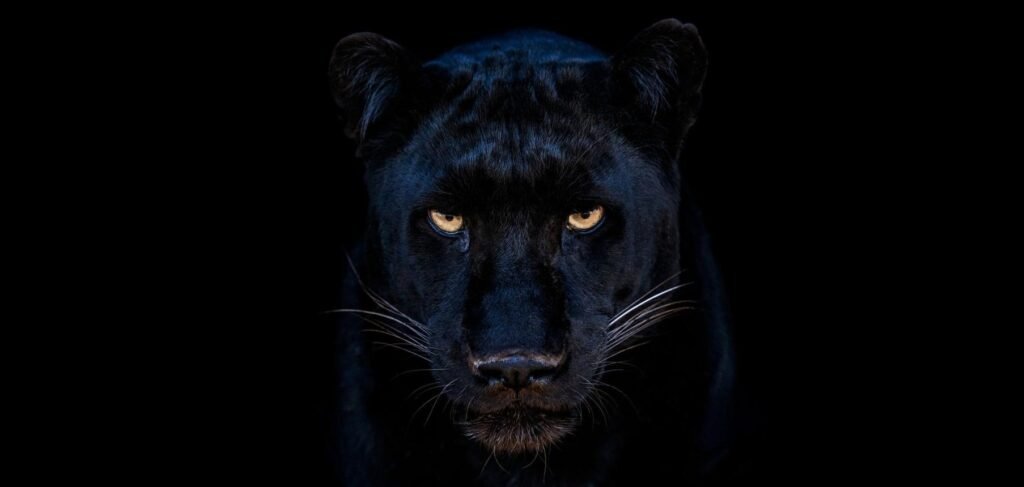
The black panther carries particularly strong visual associations because its dark coat creates a dramatic contrast with its surroundings.
In symbolic interpretation, black can represent mystery, elegance, authority, grief, secrecy, protection, or the unknown. These meanings are culturally dependent; black does not have one universal psychological or spiritual meaning.
What Does a Black Panther Symbolize?
| Interpretation | Possible meaning |
| Darkness | The unknown, uncertainty, or unexplored experience |
| Elegance | Composure, refinement, and understated confidence |
| Hidden strength | Abilities that are not immediately visible |
| Protection | Vigilance and the defense of personal boundaries |
| Mystery | Secrets, unanswered questions, and complexity |
| Resilience | Adapting to difficult conditions |
A black panther may therefore symbolize the idea that strength is not always obvious. People may overlook a quiet person, underestimate someone who does not seek attention, or mistake restraint for weakness.
The panther challenges those assumptions by presenting power as something that can exist without constant display.
Did you know? A black leopard or jaguar can still have visible spots. Their dark pigmentation makes the usual markings harder to distinguish, especially in low light. The term black panther describes coloration rather than a separate species.
National Geographic
+1
Does a Black Panther Symbolize Good Luck?
Some people interpret seeing a black panther as a positive sign of strength, protection, or a coming period of personal growth. Others associate dark animals with fear or uncertainty.
There is no universal cultural rule or scientific evidence establishing that seeing a black panther predicts good or bad luck.
If the encounter feels personally meaningful, consider the circumstances. Were you facing a difficult decision? Did the image remind you of a quality you want to develop? Such questions can help you explore personal associations without turning a symbolic interpretation into a guaranteed prediction.
6. Panther Symbolism Across Cultures and Traditions
Panther symbolism varies because communities have different histories, environments, religious systems, and relationships with large predators.
One of the most important principles in cultural interpretation is to avoid assuming that a symbol means the same thing everywhere.
| Cultural or historical context | Relevant interpretation | Important distinction |
| Ancient Egyptian imagery | Leopard imagery appears in ceremonial and funerary contexts. | Not every leopard image refers to a black panther or a single deity. |
| Medieval Christian bestiaries | The panther could serve as an allegorical figure of Christ. | The meaning comes from a particular literary and religious tradition. |
| Southern African San-related ethnographic research | Big-cat imagery has been interpreted through complex, sometimes opposing ideas of danger, protection, illness, healing, and social relationships. | These findings concern particular communities and historical materials, not all African peoples. |
| Contemporary African American popular culture | Black Panther imagery can represent leadership, representation, identity, and political or cultural empowerment. | The Marvel character and the historical Black Panther Party are distinct subjects. |
| Contemporary personal spirituality | The panther may symbolize independence, intuition, courage, or transformation. | These are personal or modern spiritual interpretations, not universal ancient beliefs. |
Research published in Southern African Humanities examines the dual character of big-cat symbolism in particular San-related contexts, where the animals could be associated with both beneficial and dangerous forces. This complexity challenges the assumption that predators symbolize only strength or only fear.
Southern African Humanities
+1
Panther Symbolism in Indigenous and Local Traditions
It is especially important to approach Indigenous traditions with specificity and respect.
Animal relationships in Indigenous societies may be connected to particular communities, oral histories, ceremonies, territories, and systems of knowledge. A meaning documented in one community cannot automatically be attributed to another.
Similarly, the cultural significance of jaguars in the Americas should not be casually transferred to black leopards in Africa or Asia. Although all may be described informally as panthers in certain contexts, their ecological and cultural histories differ.
When writing about a specific tradition, consult sources produced by relevant communities, cultural institutions, historians, or researchers. Avoid inventing sacred meanings simply because they sound spiritually appealing.
Panther Symbolism in Christianity
The panther’s best-known historical Christian association appears in medieval bestiaries, where it could represent Christ through a symbolic narrative of rest, renewal, and an attractive fragrance.
This is an example of allegorical interpretation rather than a universal Christian doctrine. The panther is not assigned one standard meaning across all Christian denominations or biblical texts.
For readers interested in religious symbolism, the distinction between scripture, later commentary, folklore, and artistic convention is essential.
Panther Symbolism in Contemporary African American Culture
The Black Panther character in Marvel’s fictional Wakanda and the Black Panther Party are separate historical and cultural subjects.
The Marvel character represents a fictional African ruler and superhero whose stories explore leadership, identity, responsibility, and representation. The Black Panther Party, founded in the United States in 1966, was a political organization with its own historical goals, activities, and context.
The shared name makes comparison possible, but their meanings should not be collapsed into one. The National Museum of African American History and Culture documents the comic character’s origins and significance within popular culture.
nmaahc.si.edu
7. Panther Symbolism in Dreams
Dreams about panthers are often interpreted through themes of fear, confidence, independence, hidden emotions, or the need to confront an uncertain situation.
However, there is no scientifically established dream dictionary that can determine the exact meaning of a panther in every person’s dream. Personal memories, emotions, experiences, and the dream’s wider context matter.
Here are some common symbolic readings:
| Dream scenario | Possible personal interpretation |
| A calm panther | Composure, confidence, or a desire for greater self-trust |
| A panther following you | A concern you feel you have not addressed |
| A panther attacking | Feeling threatened, pressured, or overwhelmed |
| A panther protecting you | A wish for security or stronger personal boundaries |
| A panther walking away | Independence, distance, or letting go |
| A panther in darkness | Uncertainty or a situation you do not yet understand |
| A friendly panther | Making peace with a powerful emotion or aspect of yourself |
These interpretations are starting points, not fixed explanations.
What Does It Mean to Dream of a Black Panther?
A black panther in a dream may evoke mystery, fear, confidence, or hidden strength, depending on how the dream feels to the dreamer.
If the animal appears calm and familiar, the experience might remind you of qualities you admire in yourself. If it feels threatening, it might provide an opportunity to reflect on a stressful situation.
The most useful questions are often simple:
- What emotion did I feel during the dream?
- What was happening in my life around that time?
- What does a panther personally represent to me?
- Is there a situation where I need greater courage, patience, or clarity?
Expert tip: Do not interpret a frightening dream as a prediction that something bad will happen. Use it as a prompt for reflection rather than a source of fear.
8. Panther Symbolism in Psychology and Personal Development
In psychology-informed symbolic interpretation, the panther can serve as an archetypal image of instinct, power, independence, and the relationship between fear and confidence.
An archetype is a recurring pattern or image that appears in stories, imagination, and cultural expression. Carl Jung’s analytical psychology explored archetypes and the shadow, a concept associated with aspects of the self that a person may not fully recognize or accept.
It would be an overstatement to claim that Jung established a universal panther archetype. Rather, the panther can be used as a contemporary example of an animal image through which people explore psychological themes.
The Panther and the Shadow Self
The shadow is often discussed in popular psychology as a metaphor for disowned or unexamined aspects of personality.
Because the panther is associated with darkness and hidden movement, it can be used to represent the process of confronting uncomfortable feelings, suppressed ambitions, or traits that a person struggles to acknowledge.
For example, a person who avoids conflict might associate the panther with assertiveness. The goal would not be to become aggressive, but to recognize the capacity to speak firmly and establish reasonable boundaries.
Similarly, someone who constantly seeks approval might use the panther as a reminder to develop independence without becoming emotionally isolated.
The key distinction is that personal symbolism can support self-reflection, but it does not diagnose personality or replace psychological care.
Panther Energy and Emotional Strength
The phrase panther energy is commonly used informally to describe a combination of quiet confidence, awareness, and decisiveness.
In practical terms, this idea can be translated into everyday behaviors:
- Pause before responding to an emotionally charged situation.
- Observe the facts before drawing conclusions.
- Protect your time and attention.
- Build confidence through preparation rather than appearance.
- Act deliberately instead of reacting to every challenge.
These are useful habits in their own right. The panther simply provides a memorable image for them.
9. Panther Symbolism in Art, Literature, and Mythology
The panther’s visual presence makes it effective in stories and artworks that explore tension, danger, authority, and transformation.
Panther Symbolism in Literature
Writers can use the panther as a symbol without explicitly explaining its meaning.
A panther appearing at the beginning of a story might foreshadow danger. A character who identifies with the animal might be independent, observant, or misunderstood. A panther that protects a vulnerable character could challenge the assumption that strength always threatens others.
This is a form of literary symbolism: an image carries additional meaning through its relationship with characters, events, and themes.
The same animal can represent different things within different works. Readers should interpret it in context rather than assume a universal meaning.
Panther Symbolism in Visual Art
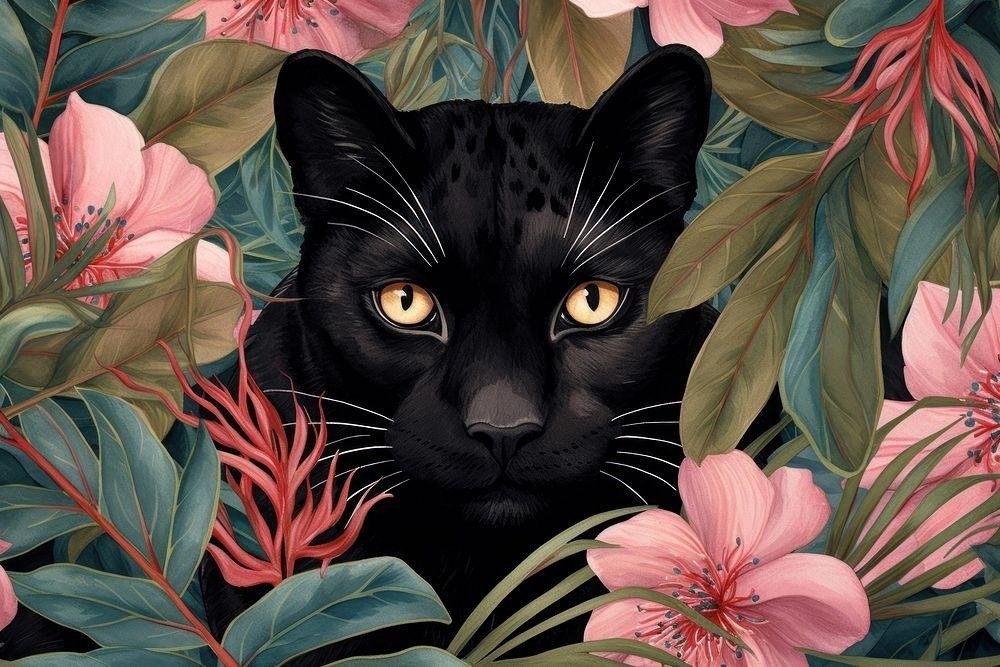
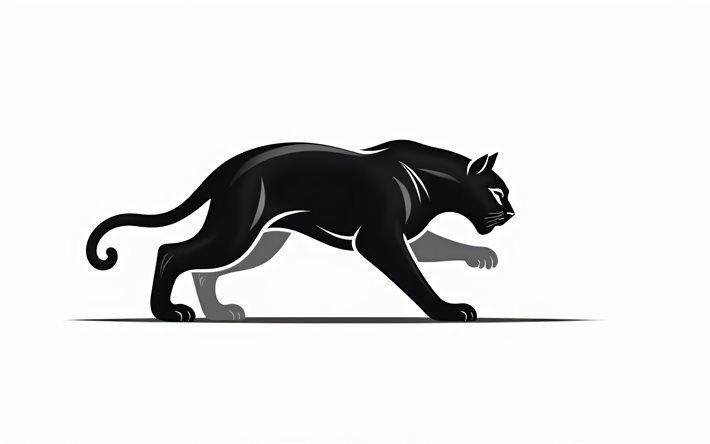
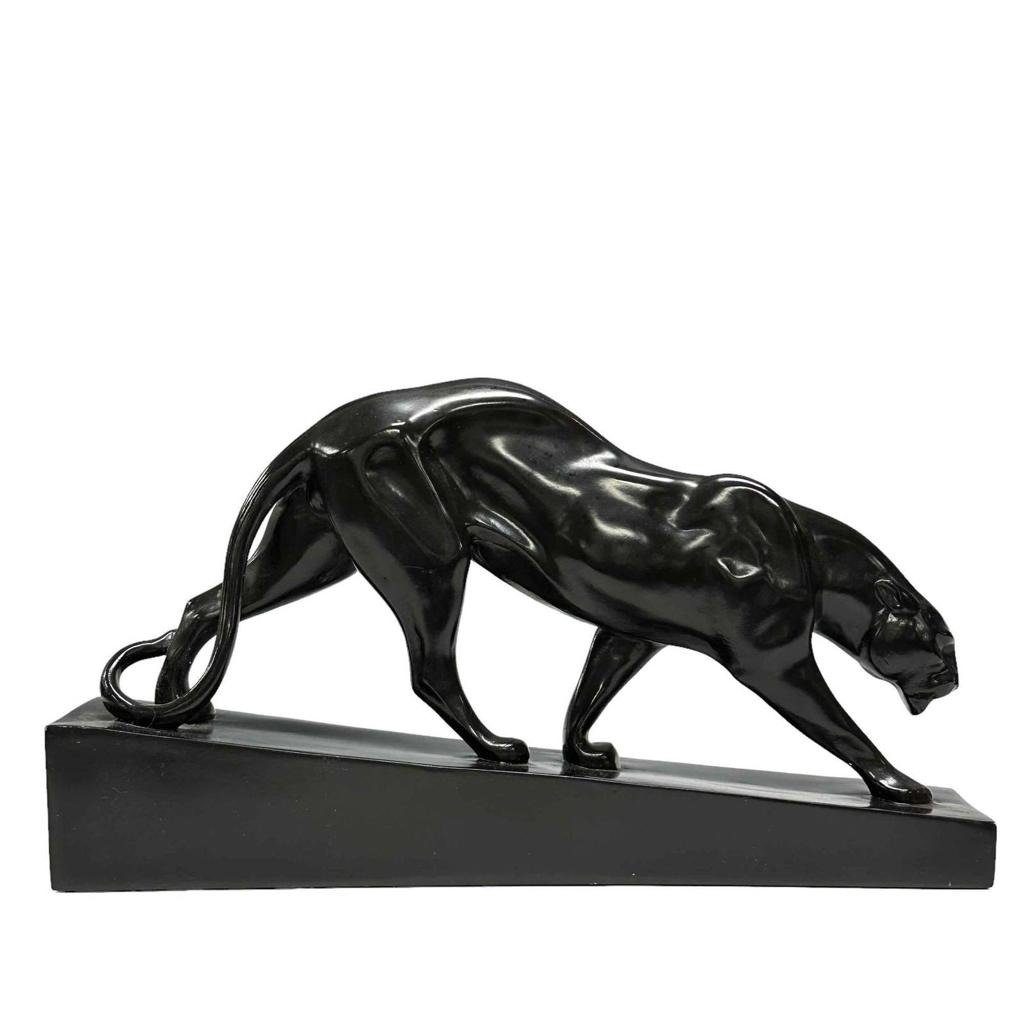
10
In visual communication, a panther’s silhouette can convey movement and strength even when the artwork contains very little detail.
Artists may emphasize particular features to guide interpretation:
- Eyes: attention, alertness, or confrontation.
- Claws: danger, defense, or readiness.
- A crouching posture: restraint, anticipation, or potential action.
- A walking posture: composure, independence, or quiet authority.
- Dark surroundings: mystery, isolation, or dramatic contrast.
These are possible visual readings, not fixed rules of iconography. The artwork’s composition, cultural setting, and intended audience shape the final meaning.
Panther Symbolism in Film and Popular Media
Films and digital media often use large cats to communicate qualities quickly. A panther can establish a character as formidable, secretive, elegant, or difficult to predict before the dialogue provides any explanation.
The Marvel Black Panther character demonstrates how an animal image can expand into a broader narrative about leadership, cultural identity, technology, responsibility, and representation.
nmaahc.si.edu
This is one reason panther symbolism remains relevant in contemporary storytelling: it combines an immediately recognizable visual form with a flexible set of possible meanings.
10. Panther Symbolism in Tattoos, Fashion, and Branding
Panther imagery is popular in tattoos, graphic design, fashion, and visual branding because it is distinctive and communicates strength with relatively little visual complexity.
What Does a Panther Tattoo Symbolize?
A panther tattoo may represent courage, resilience, independence, protection, personal transformation, or a connection to a meaningful story.
The intended meaning depends on the individual and the design.
| Panther tattoo design | Possible interpretation |
| Walking panther | Independence and quiet confidence |
| Roaring panther | Assertiveness and readiness to confront challenges |
| Black panther silhouette | Mystery, simplicity, and hidden strength |
| Panther with flowers | A contrast between gentleness and power |
| Panther with a moon | Night, mystery, or personal reflection |
| Panther with a crown | Leadership, authority, or personal ambition |
| Panther emerging from darkness | Change, resilience, or a new beginning |
Before choosing a design, consider whether the image draws from a specific cultural tradition. Sacred or community-specific imagery should not be treated as interchangeable decoration.
Panther Symbolism in Branding
For brands, a panther can communicate agility, confidence, premium positioning, intensity, and competitive spirit.
It may be suitable for athletic organizations, performance-related products, entertainment projects, or brands seeking a bold visual identity.
However, the image is not automatically effective for every business. A children’s education brand, for example, might find the animal too intimidating unless the illustration emphasizes friendliness and curiosity.
An effective branding strategy considers:
- Audience: Will the target audience interpret the panther as confident, threatening, elegant, or playful?
- Color: Does a dark palette communicate the desired identity, or does it reduce accessibility?
- Style: Would a realistic illustration, geometric icon, or simple silhouette fit the brand?
- Cultural context: Does the design draw on associations that require explanation or sensitivity?
- Consistency: Can the symbol work across packaging, websites, social media, and print?
The panther’s greatest design advantage is versatility. Its meaning can shift substantially through color, posture, typography, and surrounding imagery.
11. Common Mistakes and Myths About Panther Symbolism
Panther symbolism becomes more useful when interpretations are separated from unsupported claims.
Myth 1: Every black panther is a separate species.
Fact: The term usually describes a melanistic leopard or jaguar, not a distinct species.
National Geographic
+1
Myth 2: Panthers always symbolize good luck.
Fact: Meanings vary by context. No scientific evidence establishes that seeing a panther predicts future luck.
Myth 3: Panther symbolism is identical across cultures.
Fact: Cultural interpretations depend on specific histories, religious traditions, and local relationships with big cats.
Myth 4: A panther dream has one definite meaning.
Fact: Dreams are personal experiences. The dreamer’s emotions, memories, and circumstances may influence the interpretation.
Myth 5: Spiritual symbolism is scientific proof.
Fact: Symbolic and spiritual beliefs can be meaningful to people, but they should not be presented as established biological or psychological facts.
12. Practical Applications: How to Use Panther Symbolism in Everyday Life
Panther symbolism can be useful when it helps turn an abstract idea into a practical reminder.
Here are five ways to apply its themes without treating the symbol as a prediction or supernatural guarantee.
1. Personal development: Use the panther as a reminder to develop confidence through preparation, self-awareness, and consistent action.
2. Creative writing: Give a panther a role that reflects your story’s themes, such as danger, protection, secrecy, or transformation. Let the plot establish its meaning.
3. Art and design: Experiment with silhouette, posture, contrast, and color to communicate a specific emotional quality.
4. Education: Use the panther to teach the difference between an animal’s biological identity and the cultural meanings people attach to it.
5. Personal reflection: If a panther image feels significant, write down your associations and the circumstances in which you encountered it. Consider what the image brings to mind rather than assuming it contains an objective message.
13. Key Insights About Panther Symbolism
The most important insights are these:
- The panther commonly represents power, courage, mystery, independence, protection, and instinct.
- Black panthers are generally melanistic leopards or jaguars, not a separate species.
- Spiritual interpretations may include transformation, intuition, and inner strength, but these meanings are not universal.
- Historical panther imagery includes ancient big-cat representations and medieval Christian allegory.
- Cultural interpretations differ, and specific traditions should be understood in their own contexts.
- Panther imagery is useful in literature, art, tattoos, branding, and personal reflection because it can communicate several ideas at once.
- The most accurate interpretation considers the animal’s identity, the setting, the cultural context, and the observer’s perspective.
Conclusion: Why Panther Symbolism Still Matters
Panther symbolism remains compelling because it brings together seemingly contrasting qualities:
strength and restraint, mystery and awareness, independence and protection.
The animal’s physical characteristics inspire these associations, while history, folklore, religion, art, and popular culture continually reshape them.
For some people, the panther represents courage during uncertainty.
For others, it suggests independence, personal boundaries, hidden potential, or the power of quiet confidence. In literature and design, it offers a striking visual language for characters, ideas, and identities.
Understanding panther symbolism also requires recognizing its limits. A symbolic interpretation is not a universal truth, a scientific prediction, or an automatic explanation for a dream.
Its value lies in the meanings people develop through cultural knowledge, creative expression, and personal reflection.
Ultimately, the panther reminds us that strength can be deliberate rather than loud, confidence can exist without constant attention, and the unknown can be approached with curiosity instead of fear. These ideas explain why the panther continues to influence storytelling, visual communication, cultural identity, and everyday self-expression.
Frequently Asked Questions About Panther Symbolism
1. What does a panther symbolize spiritually?
A panther commonly symbolizes inner strength, protection, independence, intuition, and transformation in contemporary spiritual interpretations. Some people view it as a reminder to trust their abilities, establish boundaries, and approach uncertainty with courage. These meanings vary by belief system and personal experience; they are not universal spiritual facts.
2. What does a black panther symbolize?
A black panther often symbolizes mystery, hidden strength, elegance, resilience, and protection. Its dark appearance contributes to associations with the unknown and quiet authority. The interpretation depends on context, since black can carry different meanings across cultures and artistic traditions.
3. What does it mean when you see a panther in a dream?
A panther in a dream may prompt reflection on confidence, fear, independence, personal boundaries, or an uncertain situation. A calm panther may feel reassuring, while an attacking panther may evoke stress or vulnerability. No single interpretation applies to everyone, and dreams do not reliably predict future events.
4. Is the panther a symbol of protection?
Yes, the panther is often used as a symbol of protection because its strength, alertness, and stealth suggest guardianship and vigilance. In personal symbolism, it may represent defending boundaries and caring for loved ones. However, the image itself does not guarantee physical or spiritual safety.
5. What does a panther tattoo symbolize?
A panther tattoo may represent courage, independence, power, resilience, mystery, or personal transformation. A walking panther can suggest quiet confidence, while a roaring panther may communicate assertiveness. The meaning ultimately depends on the wearer’s intentions, the artwork, and any cultural references incorporated into the design.
6. What is the difference between panther and black panther symbolism?
Panther symbolism broadly draws on the characteristics of big cats, including strength, agility, and independence. Black panther symbolism places greater emphasis on darkness, mystery, hidden potential, and dramatic visual presence. In zoological usage, a black panther usually refers to a melanistic leopard or jaguar rather than a separate species.
Semantic SEO, NLP Entities, and Related Keywords
The following entities and related terms naturally connect this article to the wider topic of animal symbolism.
| Category | Entities and related terms |
| Primary keyword | Panther symbolism |
| Secondary keywords | Black panther symbolism, panther spiritual meaning, panther meaning, panther dream meaning, panther tattoo meaning |
| Animal taxonomy | Panthera, leopard, Panthera pardus, jaguar, Panthera onca, melanism |
| Symbolic concepts | Power, protection, courage, mystery, independence, intuition, resilience, transformation |
| Cultural and historical entities | Ancient Egypt, Çatalhöyük, medieval bestiaries, Christian allegory, San-related ethnographic research |
| Psychology and philosophy | Archetypes, shadow self, identity, perception, personal reflection, cultural interpretation |
| Creative applications | Iconography, semiotics, visual communication, literature, mythology, film, graphic design |
| Modern applications | Branding, consumer perception, tattoos, popular culture, digital media, personal development |
| Search-intent relationships | What does a panther symbolize, black panther spiritual meaning, panther in dreams, panther as a symbol of strength, panther tattoo symbolism |
These related concepts help organize the subject into a coherent topical cluster. For publication, the article can be supported by related pages on black panther symbolism, animal symbolism, big-cat symbolism, panther dream interpretations, and animal symbolism in mythology.
No article can guarantee search rankings or complete originality through a checklist alone. Strong publication quality also depends on careful editing, reliable sourcing, a useful site structure, and content that genuinely answers readers’ questions.

Understand color meanings, psychology, and visual symbolism with Charlotte Monroe.
