
White Owl Symbolism: What Does a White Owl Mean?
White owl symbolism captures the mystery of a rare looking encounter: a pale owl moving silently through the darkness, its bright feathers contrasting with the night.
Across folklore, spirituality, literature, and visual art, the white owl can represent wisdom, intuition, purity, transformation, mystery, and the boundary between the known and the unknown.
Its meaning depends on the cultural tradition, personal experience, and circumstances in which the bird appears.
For some people, seeing a white owl feels like a reminder to trust their instincts or pay attention to changes in their lives.
Others associate it with spiritual protection, messages from ancestors, or omens connected with death and renewal.
These interpretations can be meaningful as cultural beliefs or personal reflections, but they are not universal truths or scientifically verified supernatural messages.
Understanding white owl symbolism requires looking beyond popular spiritual explanations.
The bird’s natural behavior, its appearance in mythology, its place in different belief systems, and its use in modern storytelling all help explain why this striking animal continues to fascinate people.
Featured snippet definition: What does a white owl symbolize?
White owl symbolism refers to the meanings people associate with white or predominantly white owls, including wisdom, intuition, spiritual awareness, purity, mystery, transformation, and sometimes death or warning. These meanings vary across cultures and personal beliefs.
In nature, an owl’s appearance and behavior have biological explanations independent of any symbolic interpretation.
What Does a White Owl Symbolize?
A white owl most commonly symbolizes wisdom, intuition, mystery, spiritual awareness, and transformation. In some traditions, it may represent protection or a connection with the unseen world, while other traditions associate owls with death, darkness, or warnings.
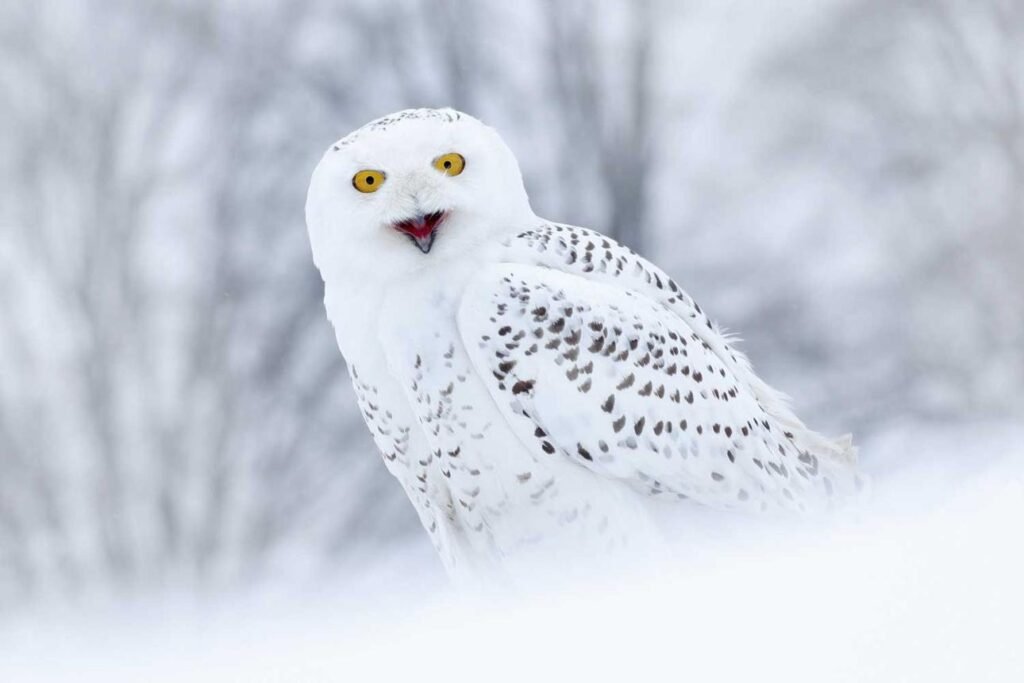
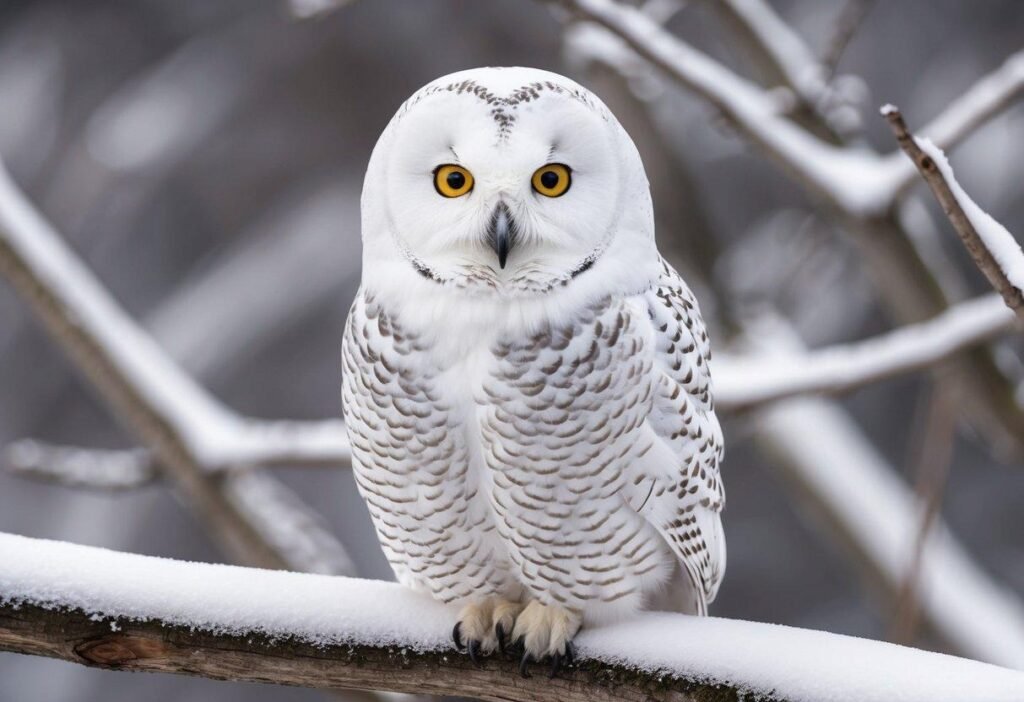
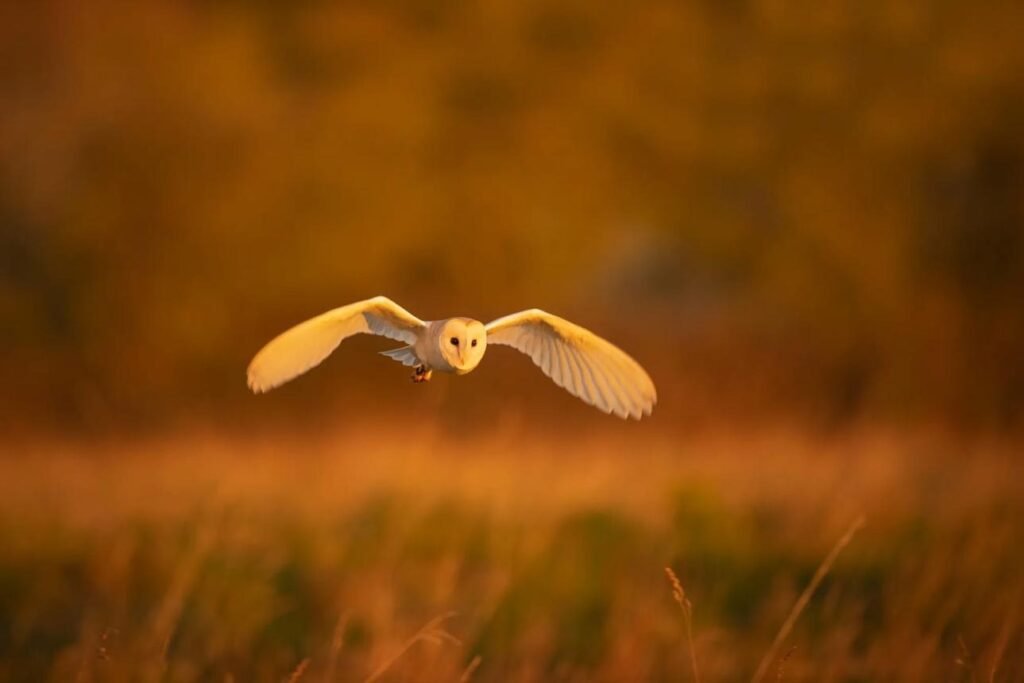
8
The symbolism becomes more meaningful when each interpretation is considered separately.
| Symbolic meaning | Common interpretation | Important context |
| Wisdom | Knowledge, insight, and careful observation | Strongly influenced by the owl’s cultural image as a perceptive bird |
| Intuition | Paying attention to subtle feelings and observations | A personal or spiritual interpretation, not a proven supernatural ability |
| Purity | Clarity, innocence, or a fresh beginning | Often associated with the color white |
| Transformation | Change, personal growth, and new perspectives | The owl’s nocturnal life can evoke movement between familiar and unfamiliar experiences |
| Mystery | Hidden knowledge and the unknown | Connected to silent flight and nighttime activity |
| Protection | Guidance, vigilance, or watchfulness | Depends on the spiritual tradition |
| Death and renewal | Endings, grief, transition, or rebirth | A culturally variable association, not a prediction of death |
These meanings are not interchangeable. A white owl in a children’s story may represent wisdom, while the same bird in a traditional folktale might signal danger or uncertainty.
The most useful approach is to understand the context before assigning a meaning.
1. Spiritual Meaning of a White Owl
Spiritually, white owl symbolism is often connected with inner wisdom, heightened awareness, personal transformation, and the search for truth. People who interpret animal encounters spiritually may view a white owl as a reminder to slow down, observe carefully, and listen to their inner thoughts.
These interpretations belong to spiritual belief systems rather than established scientific explanations. They can nevertheless provide a framework for personal reflection.
White owl as a spiritual messenger
In contemporary spirituality, owls are sometimes described as messengers because they seem to move between the visible world and the darkness beyond ordinary human sight. A white owl’s unusual appearance can intensify this impression.
Depending on personal beliefs, a spiritual message associated with a white owl might involve:
- Awareness: Notice details or patterns you have overlooked.
- Discernment: Separate what you know from what you merely suspect.
- Patience: Allow a difficult situation to become clearer before acting.
- Transformation: Accept that a familiar stage of life may be changing.
- Reflection: Make room for quiet thought rather than reacting immediately.
For example, someone facing a career decision might interpret an encounter with a white owl as an invitation to examine their priorities. This is a reflective use of symbolism, not evidence that the bird has supernatural knowledge of their future.
White owl symbolism and spiritual awakening
A spiritual awakening is commonly understood as a change in how someone understands themselves, their values, or their relationship with the world. In modern symbolic interpretations, the white owl may represent this process because it combines the imagery of wisdom with the striking visual quality of white feathers.
Its symbolism can suggest a transition from confusion toward greater clarity. However, seeing a white owl does not establish that a spiritual awakening is occurring. The meaning comes from the interpretation a person gives the experience.
White owl as a symbol of protection
Some contemporary spiritual interpretations associate owls with watchfulness and guardianship. Their ability to detect movement and hunt effectively in low light makes them fitting symbols of alertness.
A white owl used as a personal emblem might therefore represent staying attentive, maintaining boundaries, or protecting what matters.
Expert Tip: If a white owl encounter feels meaningful, write down what you observed and what was happening in your life. Reflect on possible connections without treating the experience as a prediction or allowing it to replace practical judgment.
2. White Owl Symbolism in Different Cultures
There is no single worldwide interpretation of a white owl. Its meaning depends on the species, local environment, religious beliefs, oral traditions, and historical period. In some settings, owls are admired for their intelligence or linked with sacred knowledge; in others, they have been treated as ominous birds.
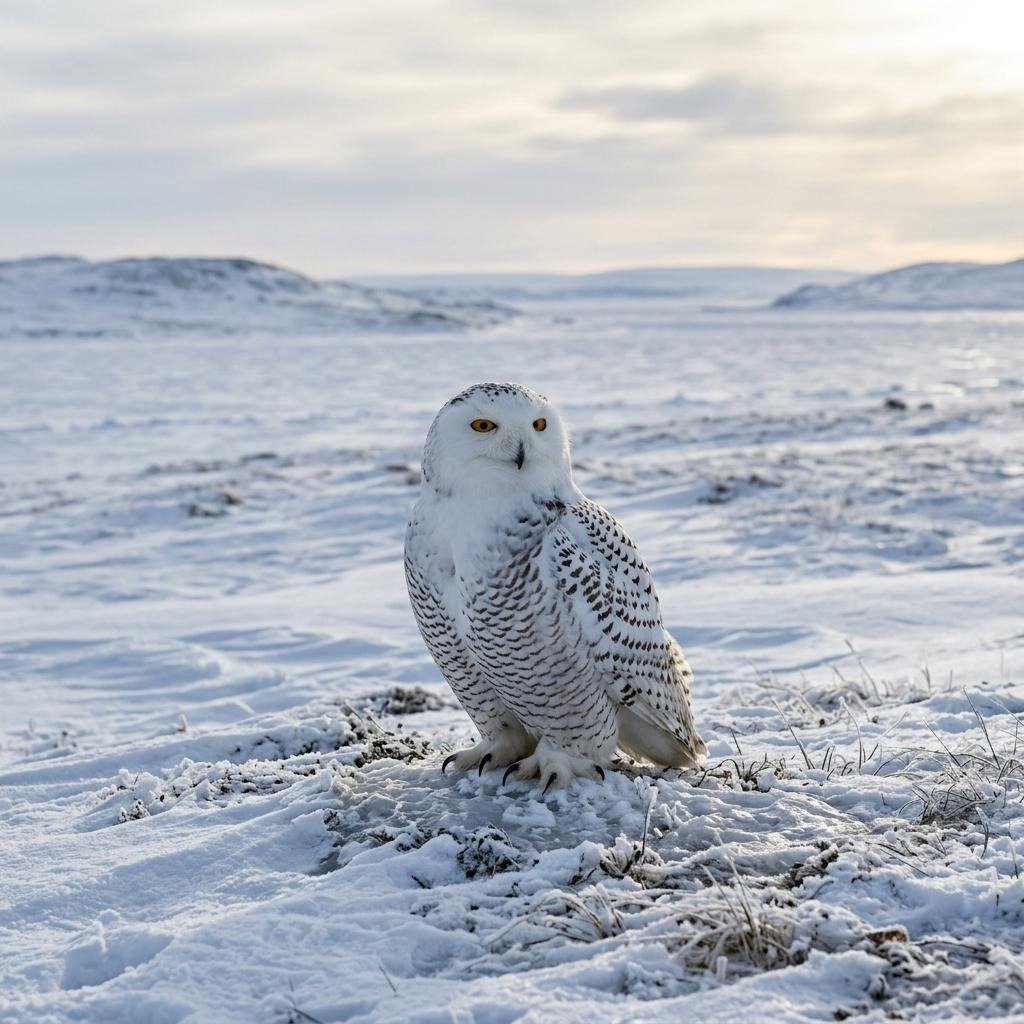
9
Ancient Greek and Roman traditions
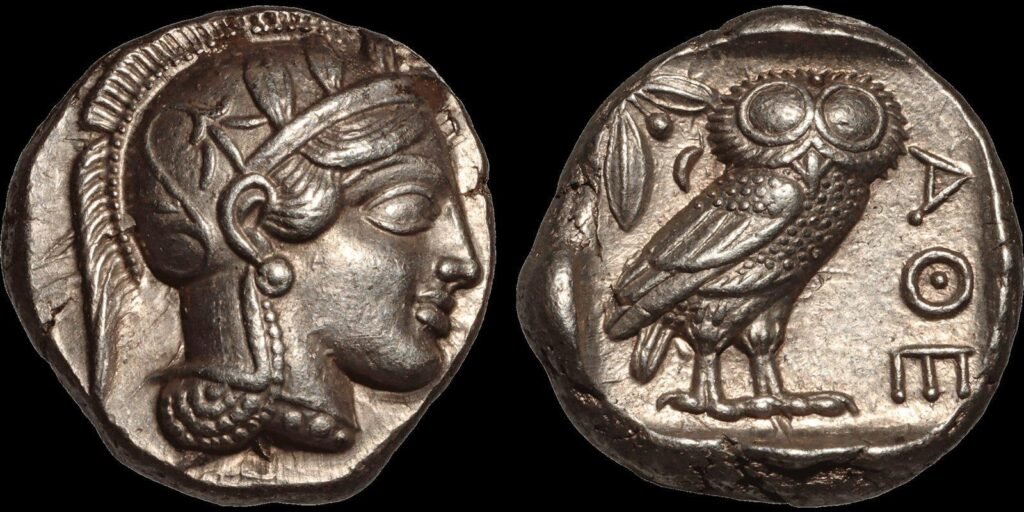
The owl is famously associated with Athena, the ancient Greek goddess of wisdom, strategic warfare, and crafts. Her Roman counterpart, Minerva, inherited a similar association.
The owl became a recognizable emblem of knowledge and learning in the classical world. Ancient Athenian coins featuring an owl helped reinforce this visual connection, and the bird remains a familiar symbol of scholarship today. The species most closely associated with Athena was the little owl, not the snowy owl.
Wikipedia
This distinction matters when discussing white owl symbolism. Modern writers often transfer the familiar symbolism of Athena’s owl to every owl species, but the historical association did not originate specifically with a white owl.
Modern interpretation: A white owl in an educational logo, book cover, or illustration may combine the classical symbolism of wisdom with the modern associations of white with clarity and simplicity.
Hindu traditions
Owl symbolism in Hindu traditions is connected in part with Lakshmi, the goddess associated with prosperity, abundance, and good fortune. An owl is commonly represented as her vahana, or vehicle, in many depictions.
This association can create a different interpretation from the idea that owls are exclusively symbols of wisdom. The bird may instead be discussed in relation to prosperity, discernment, and the responsible use of material wealth.
Interpretations vary across communities, texts, and popular storytelling. Owls also appear in South Asian folklore in less favorable roles, so it would be misleading to say that all Hindu traditions view them positively. Historical accounts of Indo-Iranian beliefs likewise record both ominous and differing local interpretations of owls.
Encyclopaedia Iranica
A white owl is not automatically a special manifestation of Lakshmi. That connection should be made only when the relevant religious or artistic context supports it.
Indigenous traditions of North America
Indigenous nations across North America have distinct languages, histories, spiritual teachings, and relationships with wildlife. There is no single Indigenous interpretation of the owl.
In some recorded traditions, an owl’s call or appearance has been associated with warnings, death, or communication with the spirit world. In other contexts, the bird may have different significance or simply be understood as part of the natural environment. Such beliefs must be considered within the specific nation and community rather than generalized across Indigenous peoples.
MyMythos | Personal Mythology
The same caution applies to snowy owls. A modern spiritual account may assign them a universal message, but that does not establish an ancient, shared belief among all Arctic or Indigenous communities.
European folklore
European folklore contains both positive and negative associations with owls. Their nighttime calls, quiet flight, and tendency to inhabit barns, churchyards, or abandoned buildings contributed to stories linking them with mystery and death.
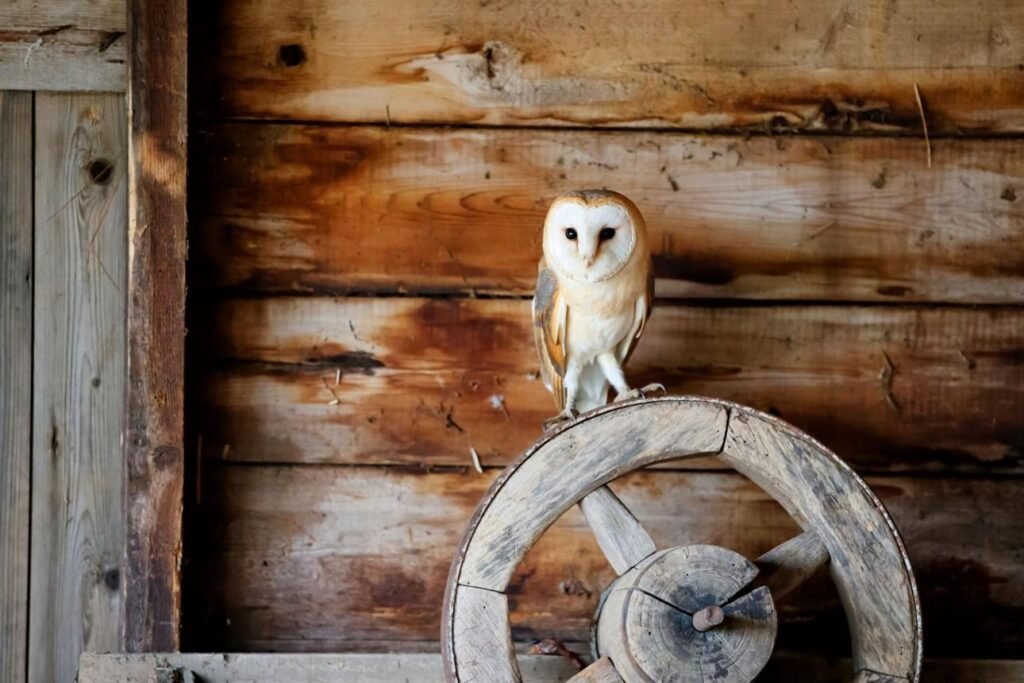
The barn owl, Tyto alba, has historically been known by names such as “ghost owl” and “death owl” in English-language traditions. These names reflect folklore and human reactions to the bird, not a biological ability to foretell death.
FolkBeliefs.com
A pale owl appearing near a house might therefore have been interpreted as an omen in one community, while elsewhere it could be admired as an unusual wildlife visitor.
A cultural comparison
| Cultural or interpretive context | Possible owl association | How to interpret it responsibly |
| Ancient Greek tradition | Athena, wisdom, knowledge | Primarily an association with the owl generally, especially the little owl |
| Hindu religious imagery | Lakshmi, prosperity, abundance | Consider the specific deity, artwork, and tradition |
| Some Indigenous North American teachings | Warnings, death, spiritual significance, or other meanings | Identify the specific nation and source; avoid generalizations |
| European folklore | Mystery, omens, death, or supernatural stories | Distinguish historical beliefs from factual claims |
| Contemporary spirituality | Intuition, transformation, protection, inner wisdom | Treat as personal or spiritual interpretation |
| Modern popular culture | Magic, loyalty, intelligence, fantasy | Recognize the influence of fictional storytelling |
The key lesson is that cultural symbolism is not a universal dictionary. A symbol acquires meaning through the people, stories, and experiences that surround it.
3. What Does a White Owl Mean in Psychology?
From a psychological perspective, a white owl can serve as a powerful image because it brings together several noticeable features: an unusual color, a distinctive face, an association with nighttime, and an appearance that may feel unexpected.
The symbolic meaning is shaped not only by the animal itself but also by what the observer already believes and feels.
The psychology of the color white
In many contemporary visual settings, white is associated with cleanliness, innocence, simplicity, peace, or a new beginning. Yet white can also suggest emptiness, coldness, distance, or mourning, depending on the cultural setting.
When combined with an owl, these associations may produce an image of calm intelligence, mysterious knowledge, or otherworldly presence.
For instance, a white owl painted against a dark background may appear luminous and detached from its surroundings. The contrast directs attention toward the bird and makes it a natural focal point.
The owl as an archetypal image
In analytical psychology and popular discussions of archetypes, animals are sometimes used to represent qualities that people recognize in themselves or others.
The owl can be interpreted as an observer, a keeper of secrets, a patient learner, or a figure that sees what others miss. These are interpretive frameworks, not proof that every person shares the same unconscious response to an owl.
A white owl in a story might represent a character’s growing self-awareness. In a different narrative, it might represent an unsettling truth that the character would rather avoid.
Why a white owl encounter can feel significant
People often look for meaning in unusual or emotionally memorable events. Attention, memory, personal expectations, and cultural stories can influence how an experience is interpreted.
Imagine seeing a white owl shortly after making a major life decision. The encounter may become connected in memory with the decision, even though the bird’s appearance does not demonstrate that the decision was destined to happen.
This does not mean the experience has no personal value. It means that personal significance and objective evidence are two different things.
A balanced interpretation allows someone to reflect on the event while remaining open to ordinary explanations.
4. White Owl Symbolism in Dreams
Dream interpretations involving white owls commonly emphasize wisdom, hidden knowledge, intuition, uncertainty, or change. However, there is no scientifically established dream dictionary that can determine the meaning of an owl for every dreamer.
The most useful approach is to consider the dream’s emotional tone, surrounding events, and personal associations.
Dreaming of a white owl watching you
A white owl staring at you might symbolize, in a personal interpretation, the feeling that something deserves closer attention.
Ask yourself whether you have been avoiding a decision, overlooking an important detail, or feeling unusually self-conscious. The owl’s gaze can serve as a metaphor for awareness rather than proof of an external observer.
Dreaming of a flying white owl
A flying owl may be interpreted as freedom, movement, perspective, or a transition between stages of life.
If the dream feels peaceful, the image may reflect curiosity or a growing sense of independence. If it feels threatening, it might reflect uncertainty or anxiety. The emotions in the dream often provide more useful context than the bird alone.
Dreaming of a white owl inside your home
A home commonly represents safety, family, privacy, or personal identity in symbolic readings. A white owl appearing inside it might therefore be interpreted as an unexpected insight entering a familiar part of life.
It does not mean a death, illness, or other event will occur in the household.
Dreaming of an injured or dead white owl
Some symbolic interpretations connect an injured owl with uncertainty, a loss of confidence, or difficulty trusting one’s judgment. A dead owl may be used as a metaphor for the end of a phase, a change in perspective, or the feeling that a source of guidance is no longer available.
These interpretations are possibilities, not universal meanings. Dreams can also incorporate memories, emotions, recent media, and ordinary experiences.
Expert Tip: Record the dream, including the owl’s behavior and your feelings. Then consider what the image reminds you of personally before consulting traditional or spiritual interpretations.
5. White Owl Symbolism and the Meaning of Seeing One at Night
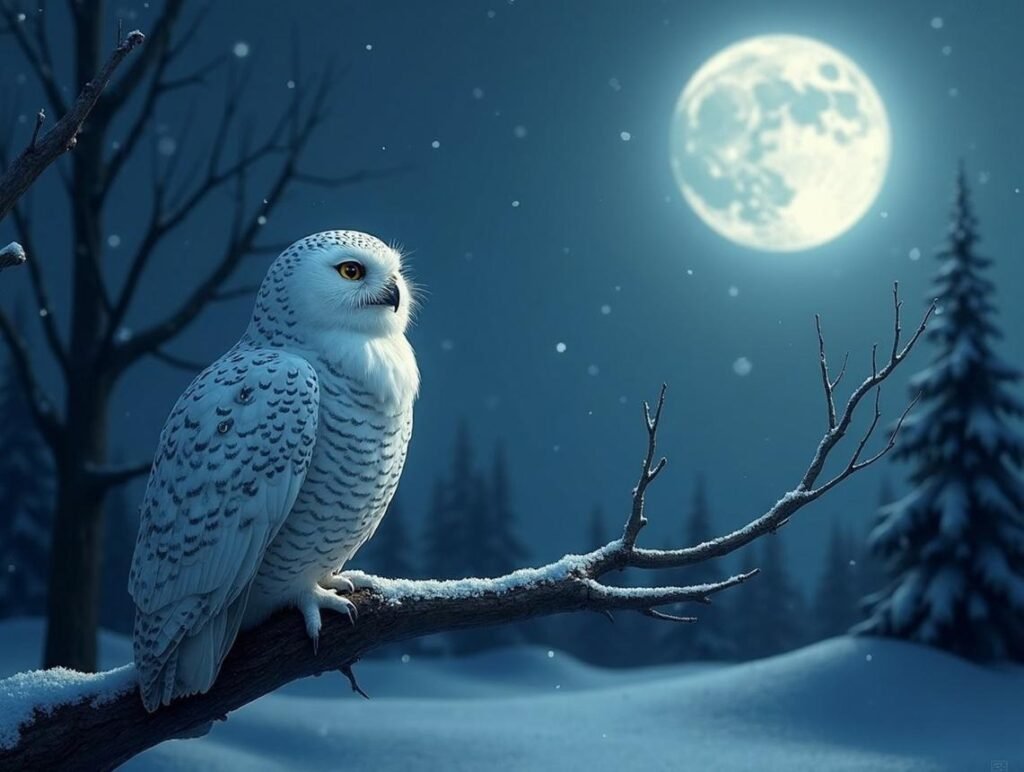
Seeing a white owl at night is often interpreted in spiritual writing as a symbol of mystery, awareness, intuition, or guidance through uncertainty. From a natural-history perspective, the encounter may simply reflect the bird’s habitat, hunting behavior, and movement patterns.
Not every white owl is a snowy owl. A barn owl may appear nearly white, especially across its face and underside, while a snowy owl has predominantly white plumage with varying amounts of dark markings. These are different species with different ecological characteristics.
All About Birds
+1
Seeing a white owl once
A single sighting may feel memorable because white plumage is visually striking, particularly against a dark background.
Symbolically, you might use the encounter to reflect on a question such as, “What deserves more of my attention right now?” There is no need to assume the event predicts something good or bad.
Seeing a white owl repeatedly
Repeated encounters may encourage curiosity about a personal connection or spiritual meaning. They may also reflect a regular route, nearby habitat, seasonal movement, or the same individual bird.
Snowy owls sometimes move beyond their typical Arctic range in response to changing food availability and other ecological conditions. These movements are known as irruptions.
U.S. Fish & Wildlife Service
+1
If you keep seeing a white owl in the same area, observing the location and timing may reveal a natural explanation.
Seeing a white owl during the day
A daytime sighting is not necessarily an omen. Snowy owls, unlike many owl species, can be active during daylight, particularly in their Arctic breeding environment.
Massachusetts Government
A daylight encounter can still carry personal symbolic meaning. It might represent clarity, visibility, or the unexpected appearance of something usually associated with darkness.
Seeing a white owl near your home
In folklore, owls appearing close to homes have sometimes been associated with warnings or major changes. These stories are culturally important, but they do not establish that an owl near a house predicts death, illness, or misfortune.
A practical interpretation is to appreciate the wildlife encounter, maintain a respectful distance, and consider whether the bird is using a nearby tree, field, or building as part of its habitat.
6. White Owl Symbolism in the Bible and Christianity
White owl symbolism does not have one universally accepted Christian meaning. Biblical references to owls generally occur in passages concerning birds considered unclean or in descriptions of desolation and deserted places, depending on the translation and the identification of the bird in the original text.
The precise species represented by some ancient bird names is uncertain, so it is important not to assume that every biblical reference to an owl specifically describes a white owl or the modern snowy owl.
Does a white owl symbolize wisdom in Christianity?
Wisdom is a major theme in Christian scripture, but the popular image of the owl as a universal Christian symbol of divine wisdom does not follow directly from the Bible.
A Christian artist or writer may choose to use a white owl to symbolize discernment, contemplation, or the search for truth. That is a creative or devotional interpretation rather than a fixed biblical doctrine.
Does a white owl symbolize death?
Owls have been linked with death and desolation in some historical interpretations of biblical imagery and European folklore. Yet seeing a white owl is not a Christian teaching that someone will die or that a supernatural warning has been issued.
For readers approaching the bird through Christianity, it is reasonable to distinguish the symbolism of an artwork or folk story from the teachings of a particular church or biblical passage.
7. White Owl Symbolism in Islam and South Asian Beliefs
In Islamic contexts, owl-related folk beliefs should be distinguished from religious teachings. Historical accounts document superstitions associating owls with misfortune, but they also record criticism of omen-based beliefs. The Encyclopaedia Iranica describes how owl-related beliefs differed between local communities in the Persian-speaking world and discusses Islamic objections to interpreting birds as evil omens.
Encyclopaedia Iranica
Consequently, it would be inaccurate to claim that Islam universally teaches that a white owl is a sign of death, good luck, or a message from the unseen.
For a Muslim reader who encounters a white owl, a grounded approach is to appreciate the bird as part of creation without treating its appearance as a reliable prediction of the future.
In South Asian folklore, beliefs can differ significantly between families, regions, and religious communities. One person may regard an owl as an unlucky visitor, while another may associate it with prosperity or divine imagery. Neither interpretation should be presented as the belief of an entire population.
The color white may add associations with peace or purity in some settings, but the specific meaning depends on context. A white owl is not automatically a religious sign simply because it is rare or visually striking.
8. White Owl Symbolism in Literature, Art, and Popular Culture
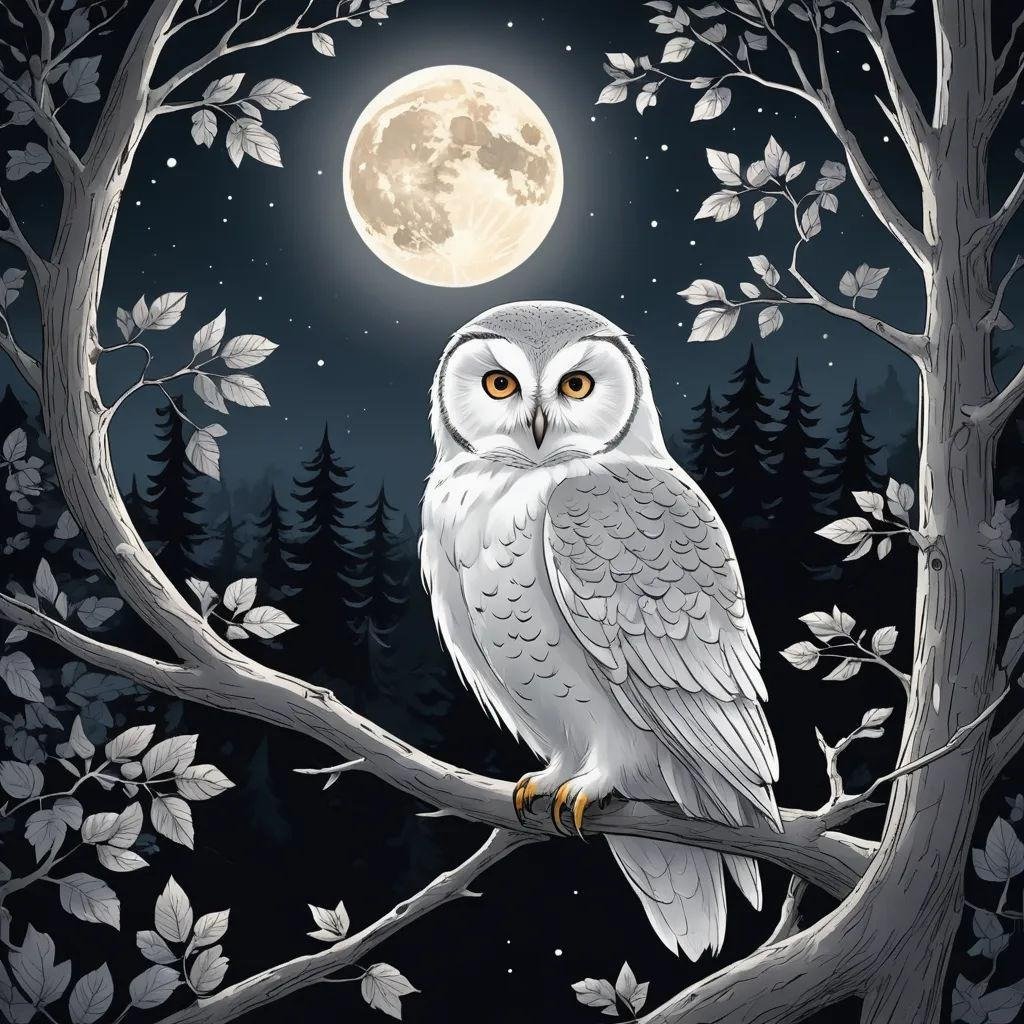
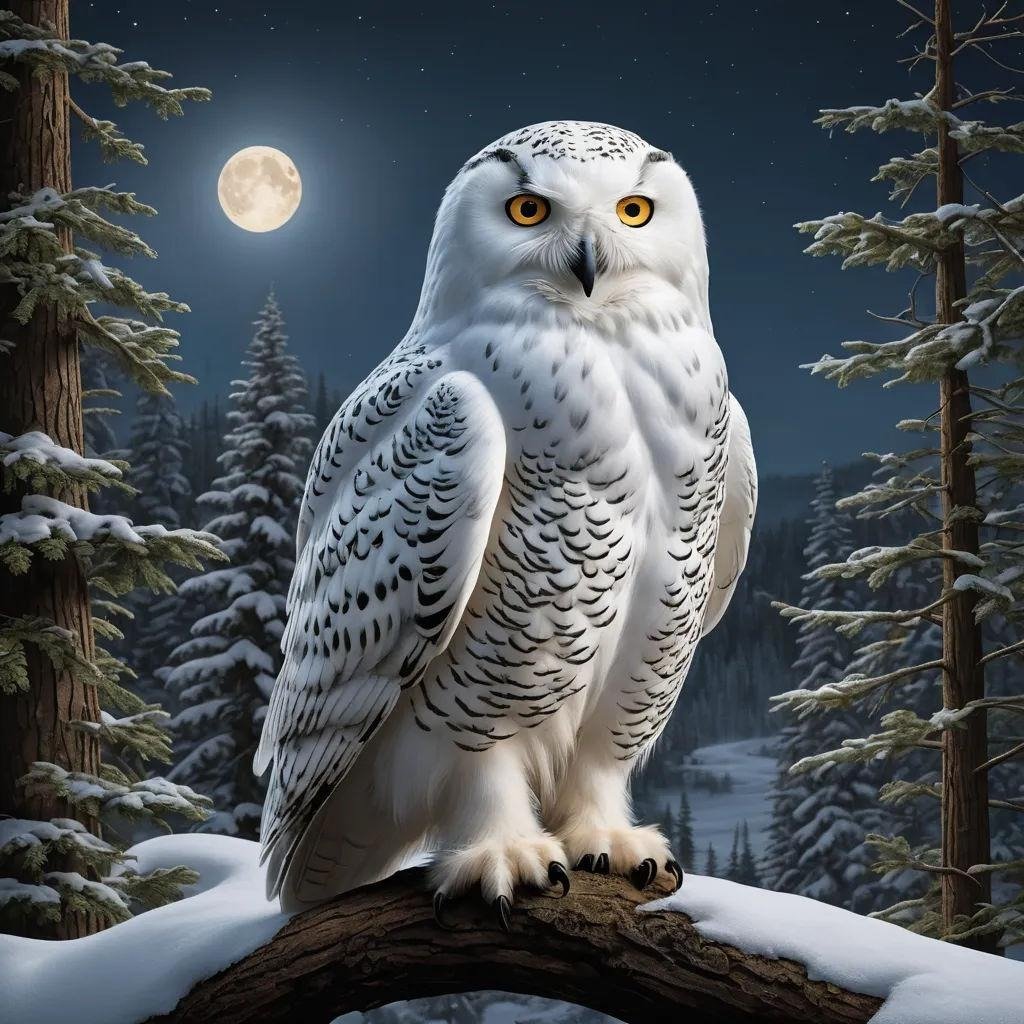
White owls have strong visual potential in storytelling because their appearance contrasts with the darkness, forests, snow, and night skies in which owls are often depicted.
Writers, artists, filmmakers, and designers can use the bird to suggest a range of meanings without explaining every detail directly.
11
White owls as symbols of wisdom in literature
An owl character may function as a mentor, observer, or source of information. The white coloring can strengthen the impression of rarity, age, serenity, or unusual knowledge.
For example, a novelist might introduce a white owl before a character makes an important discovery. The bird’s presence becomes a literary motif that encourages readers to anticipate a revelation.
This technique is an example of foreshadowing. The owl does not need to explain the plot; its repeated appearance can establish a pattern that readers gradually recognize.
White owls in fantasy and mythology inspired fiction
Fantasy frequently uses white animals to suggest magic, special status, or a connection with an unseen realm.
The snowy owl Hedwig in the Harry Potter series is a prominent modern example of a white owl in popular culture. Her role as Harry’s companion and letter carrier connects the bird with loyalty, companionship, communication, and the magical world.
This is a modern fictional association rather than evidence of an ancient universal belief about white owls.
White owl imagery in visual art
Artists can use the owl’s feathers, eyes, posture, and surroundings to direct an audience’s emotional response.
| Visual element | Possible symbolic effect | Example of use |
| White feathers | Purity, clarity, rarity | A book cover about self-discovery |
| Golden eyes | Attention, vigilance, intensity | A portrait emphasizing observation |
| Dark background | Mystery, contrast, hidden knowledge | A fantasy poster |
| Moonlight | Reflection, solitude, night | Poetry or contemplative artwork |
| Snowy landscape | Stillness, isolation, resilience | Environmental or nature-themed art |
| Outstretched wings | Freedom, movement, transition | A personal-growth illustration |
These are artistic possibilities rather than universal rules. The composition, cultural context, and audience all affect interpretation.
White owl symbolism in branding and design
A white owl can be a useful emblem for a brand associated with education, research, reading, thoughtful decision-making, or night-time services.
For example, an educational platform could use a simple owl silhouette to communicate learning and attentiveness. A nature organization might emphasize the bird’s Arctic habitat instead, making conservation and ecological awareness the central message.
Designers should consider cultural associations before adopting the owl as a brand mark. If the intended audience associates owls with bad omens, the design may communicate something different from what the brand intends.
Expert Tip: Decide on the primary message first—wisdom, wildlife, mystery, or protection—and build the owl illustration around that idea. A clear visual hierarchy is usually more effective than combining every possible symbolic meaning.
9. White Owl Symbolism and Personal Transformation
White owl symbolism can be used as a metaphor for personal transformation because the image combines stillness, observation, and the ability to navigate unfamiliar surroundings.
Transformation does not always involve a dramatic change. It can mean revising an assumption, learning to set boundaries, recognizing a pattern in a relationship, or making a decision after a period of uncertainty.
A white owl may represent three useful stages of reflection:
- Observe: Identify what is actually happening rather than reacting immediately.
- Understand: Consider different explanations, including those that challenge your first impression.
- Act: Make a practical decision based on evidence, values, and your circumstances.
Imagine someone who has been uncertain about changing careers. They see a white owl in a photograph and feel drawn to its image. Rather than assuming it is a supernatural instruction to resign, they might use the symbol as a reminder to examine their interests, finances, skills, and long-term goals.
This approach preserves the emotional value of symbolism without surrendering decision-making to an omen.
10. Myth vs. Fact: White Owl Symbolism Explained
Popular accounts sometimes present spiritual interpretations as if they were established facts. Separating folklore from observable evidence helps readers understand the subject more clearly.
| Claim | Myth or fact? | Balanced explanation |
| A white owl always represents wisdom | Myth | Wisdom is a familiar association, but not a universal interpretation |
| Seeing a white owl predicts death | Unsupported claim | Some traditions treat owls as omens, but sightings do not reliably predict death |
| A white owl can symbolize transformation | Symbolic interpretation | This is a meaningful metaphor, not a biological or supernatural fact |
| Every white owl is a snowy owl | Factually incorrect | Several owl species can appear predominantly white |
| A white owl’s appearance has a natural explanation | Fact | Plumage, habitat, behavior, and species characteristics can explain the sighting |
| White owl dreams have one fixed meaning | Unsupported claim | Dream interpretations vary with personal experience and context |
| An owl can be used as a symbol of learning | Fact about cultural usage | Owl imagery has a long-standing association with wisdom in Western visual culture |
The distinction matters because symbolism is most useful when readers know whether they are exploring cultural history, personal reflection, religious belief, or verifiable natural history.
11. Practical Applications of White Owl Symbolism
White owl symbolism can be applied in everyday life without assuming that every encounter carries a supernatural message. Its value often lies in the questions, emotions, and ideas the image encourages people to explore.
Personal reflection and journaling
Use the white owl as a prompt to think about a difficult situation. Ask yourself:
- What am I overlooking?
- Where would patience help me make a better decision?
- What assumptions should I reconsider?
- What kind of change am I ready to make?
These questions turn a symbolic image into a practical reflection exercise.
Art, education, and storytelling
Teachers can use owl imagery to introduce mythology, animal behavior, visual communication, and cultural differences. Students can compare how different societies interpret the same animal and examine why those meanings develop.
Writers can use a white owl as a recurring motif, allowing its significance to evolve as the plot progresses. Designers can use it to convey knowledge, observation, or mystery, provided the intended message suits the audience.
Meditation and mindfulness
Someone who finds the white owl meaningful might use an image of the bird as a reminder to pause, breathe, and observe their surroundings.
This is a personal mindfulness practice, not evidence that the owl possesses special spiritual powers.
Wildlife appreciation and conservation
The most tangible application is learning about real owls. Snowy owls are adapted to Arctic environments, and their white plumage helps them blend into snowy surroundings. Their thick feathers also provide insulation against extreme cold.
U.S. Fish & Wildlife Service
+1
Respectful wildlife observation helps connect the symbolic image with the living animal. If you encounter an owl, avoid approaching it, disturbing its habitat, playing recorded calls, or attempting to feed it.
12. Common Mistakes When Interpreting White Owl Symbolism
Understanding symbolism requires more than collecting lists of spiritual meanings. Several common mistakes can lead to misleading interpretations.
- Assuming one meaning fits every culture. Wisdom, death, prosperity, and mystery have all appeared in owl-related traditions, but not everywhere in the same way.
- Confusing species. The snowy owl, barn owl, and little owl are different birds. Historical references to a white owl may not refer to the snowy owl.
- Treating folklore as scientific evidence. A belief may be historically important without being a verified prediction.
- Assuming every encounter is a message. An owl may simply be hunting, resting, or passing through an area.
- Ignoring personal context. A symbol can mean different things to people with different experiences, beliefs, and emotional associations.
- Using symbolism to replace practical judgment. Important health, financial, relationship, or career decisions should be informed by relevant evidence rather than omens.
The strongest interpretation is one that respects cultural history, acknowledges uncertainty, and allows the reader to think independently.
13. Did You Know? Facts About White Owls
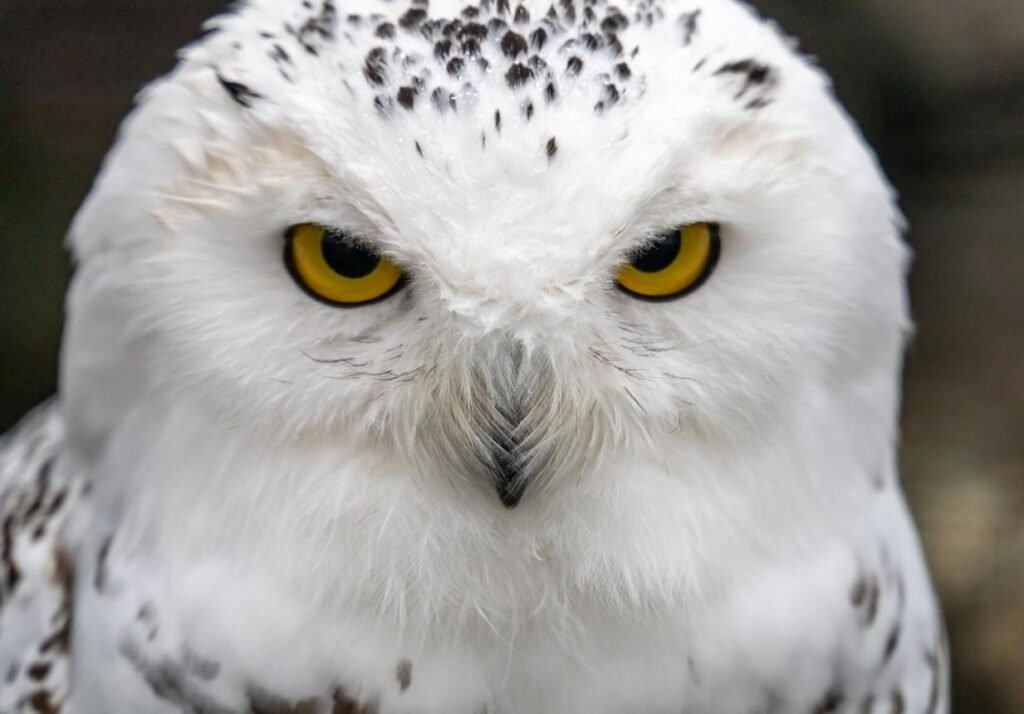
Male snowy owls often become whiter with age.
Adult males can be nearly pure white, while females typically retain more dark barring. This variation helps explain why snowy owls do not all look identical.
All About Birds
+1
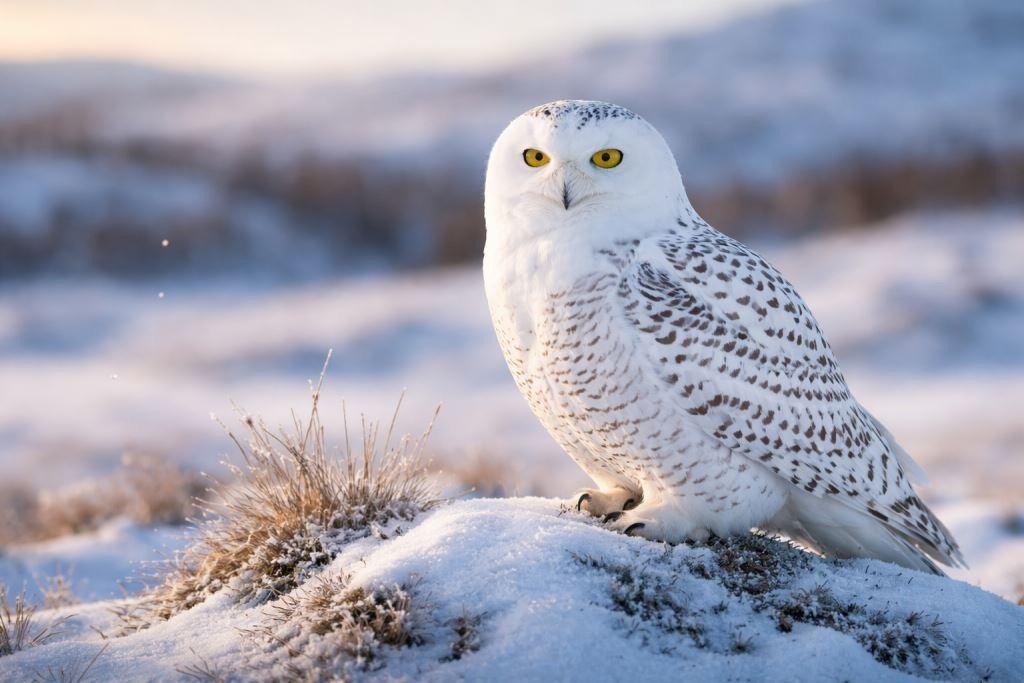
Snowy owls can hunt during the day.
Their Arctic environment experiences long summer daylight hours, and snowy owls can be active in daylight as well as at night. The idea that all owls are strictly nocturnal is incorrect.
U.S. Fish & Wildlife Service
+1
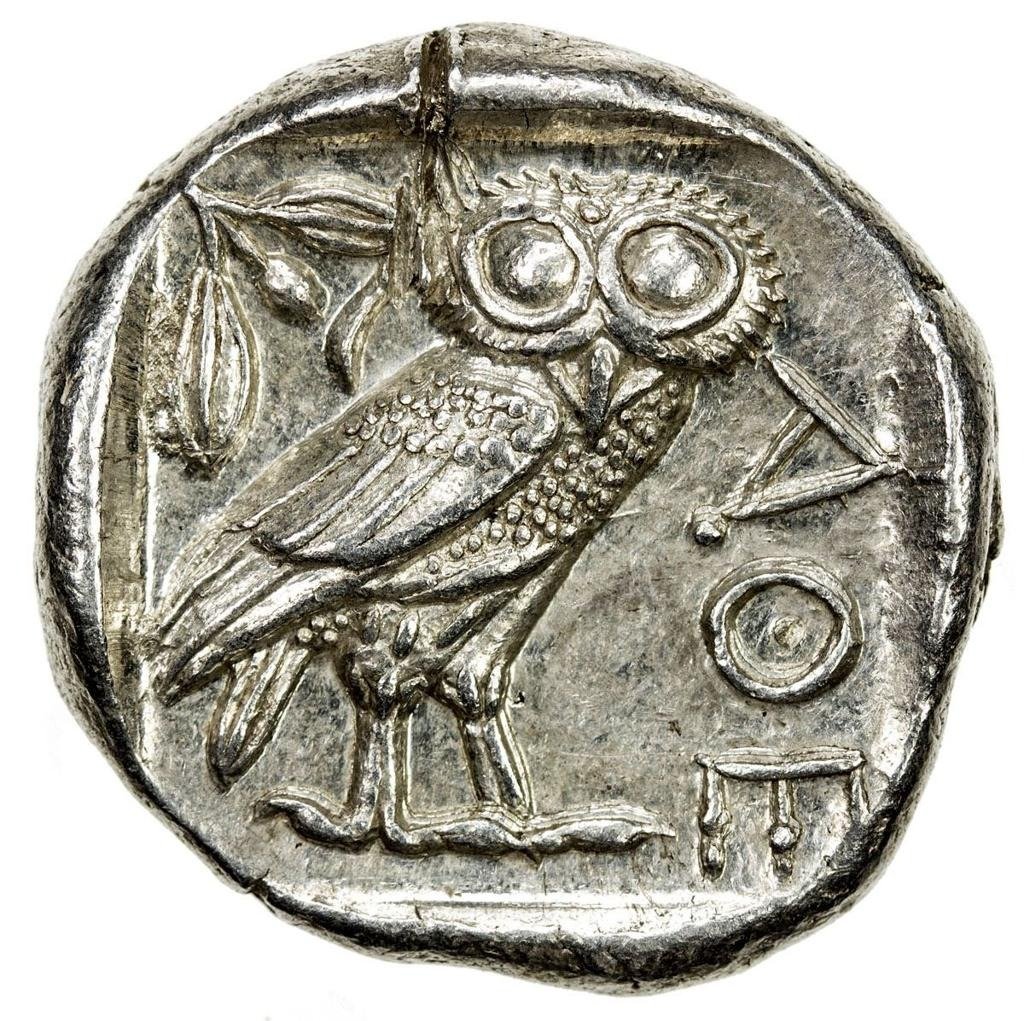
The owl of Athena was not specifically a white owl.
The little owl became associated with Athena in ancient Greece. Modern designs sometimes transfer this symbolism to snowy owls, combining an older cultural association with a different species.
Wikipedia
Conclusion: What White Owl Symbolism Teaches Us
White owl symbolism brings together wisdom, intuition, purity, mystery, transformation, and, in some cultural traditions, death or warning. Its meaning is not fixed:
it changes according to the historical period, religious context, artistic purpose, and personal experiences of the people interpreting it.
The owl’s connection with wisdom has deep roots in classical imagery, while other traditions have associated owls with prosperity, omens, or the spirit world.
Modern literature and popular culture have added new meanings involving loyalty, magic, and companionship.
Understanding these interpretations is valuable because symbolism influences how people communicate, create art, tell stories, design brands, and understand cultural identity.
At the same time, it is important to distinguish meaningful personal reflection from claims that an animal can predict the future.
If you encounter a white owl, you can appreciate both dimensions of the experience: the remarkable wildlife itself and the meaning you choose to reflect on. You do not need to interpret the sighting as an omen to find it memorable.
Frequently Asked Questions About White Owl Symbolism
1. What is the spiritual meaning of a white owl?
The spiritual meaning of a white owl is commonly associated with wisdom, intuition, awareness, transformation, and guidance. Some contemporary spiritual traditions interpret the bird as a reminder to pay attention to inner thoughts or changes in life. These meanings depend on personal beliefs and are not scientifically verified supernatural messages.
2. Is seeing a white owl a good or bad omen?
Seeing a white owl is neither inherently good nor bad. Some cultural traditions associate owls with warnings or death, while others connect them with wisdom, prosperity, or spiritual significance. A real-world sighting does not reliably predict future events and can be understood through the bird’s natural behavior and habitat.
3. What does a white owl symbolize in dreams?
A white owl in a dream may be interpreted as wisdom, uncertainty, hidden knowledge, or personal change. The dream’s emotional tone and the dreamer’s experiences are important to its interpretation. There is no universally established meaning that applies to every dream involving a white owl.
4. What does a white owl symbolize in different cultures?
In ancient Greek tradition, the owl is associated with Athena and wisdom. In Hindu religious imagery, an owl is associated with Lakshmi and prosperity. Some European and Indigenous traditions contain owl-related beliefs involving omens or death, although interpretations differ significantly between communities. These cultural associations should not be treated as one universal belief about white owls.
5. Does a white owl symbolize death or transformation?
A white owl can symbolize death in some folklore, while contemporary spiritual interpretations often associate it with transformation, endings, and renewal. Neither interpretation means that seeing an owl predicts a death or guarantees a major life change. The meaning depends on the story, tradition, or personal framework through which the bird is understood.
6. What does it mean if a white owl visits your home?
A white owl near your home may be resting, hunting, or moving through its natural habitat. In symbolic interpretations, its appearance might represent awareness, mystery, or reflection. There is no reliable evidence that an owl visiting a home predicts good luck, bad luck, or an approaching death.
Key Takeaways
- White owl symbolism commonly includes wisdom, intuition, mystery, purity, and transformation.
- Cultural interpretations differ; no single meaning applies to every community or belief system.
- The owl associated with Athena was primarily the little owl, not the snowy owl.
- White owl dreams and sightings can inspire personal reflection but do not reliably predict the future.
- White owl imagery is used in literature, art, education, storytelling, branding, and spiritual expression.
- Several owl species can appear predominantly white, so identifying the species matters when discussing natural history.
- Respecting real owls and their habitats provides a practical way to connect symbolic interest with wildlife appreciation.
Semantic SEO: Major Entities, NLP Concepts, and Related Keywords
The following terms and relationships are naturally connected to the topic and can support a broader symbolism content cluster.
| Category | Related terms and entities |
| Primary keyword | White owl symbolism |
| Core semantic keywords | White owl meaning, white owl spiritual meaning, white owl symbolism meaning, white owl significance |
| Long-tail keywords | What does seeing a white owl mean, white owl dream meaning, white owl at night meaning, white owl omen meaning |
| Animal entities | Snowy owl (Bubo scandiacus), barn owl (Tyto alba), little owl (Athene noctua) |
| Mythological entities | Athena, Minerva, Lakshmi |
| Cultural concepts | Folklore, mythology, religious imagery, cultural identity, oral traditions |
| Psychological concepts | Intuition, perception, memory, personal associations, archetypes, reflection |
| Symbolic relationships | Owl and wisdom, white and purity, owl and mystery, owl and transformation, owl and omens |
| Visual communication | Iconography, semiotics, visual contrast, color symbolism, illustration |
| Content-cluster topics | Animal symbolism, bird symbolism, snowy owl symbolism, owl dream meaning, white animal symbolism, spiritual animal meanings |
| Practical applications | Education, literature, branding, storytelling, art, design, mindfulness, wildlife conservation |
These entities and keywords help establish topical relationships between white owl symbolism, bird symbolism, cultural history, psychology, mythology, and modern visual communication. Use them naturally in relevant sections and related articles rather than repeating them mechanically.

Discover symbolism in art, literature, and creativity with Amelia Rhodes’ insightful articles.
