
Winter Symbolism: What Does Winter Represent?
Winter is more than a season of cold weather, shorter days, and falling snow. In symbolism, winter represents stillness, endurance, reflection, hardship, endings, and the possibility of renewal.
Its bare trees, frozen landsc
Understanding winter symbolism helps us recognize how the natural world communicates ideas about human experience, cultural identity, emotional change, and the passage of time.
Across different traditions, winter can represent both difficulty and peace. For some, it symbolizes loneliness, death, and uncertainty.
For others, it represents wisdom, patience, purification, family connection, and the quiet preparation that makes future growth possible.
These meanings depend on the cultural setting, personal experiences, climate, and context in which winter appears.
What Is the Symbolism of Winter? (Featured Snippet Answer)
Winter symbolism refers to the meanings associated with the coldest season, including rest, introspection, resilience, endings, death, purification, and renewal. Its darkness and stillness often represent difficult periods of life, while its connection to seasonal cycles symbolizes patience, hope, and the promise of new beginnings. Winter’s meaning varies across cultures, religions, literature, and individual experiences.
What Does Winter Symbolize?
Winter commonly symbolizes a period when outward activity slows and inner reflection becomes more important. Its natural features provide powerful metaphors for emotional, spiritual, and social experiences.
Although winter is often associated with coldness and hardship, its symbolism is not exclusively negative. A frozen landscape may represent emotional distance in one story and peaceful solitude in another. Snow might suggest purity, concealment, silence, or a fresh beginning, depending on how it is used.
1. Endings and transformation
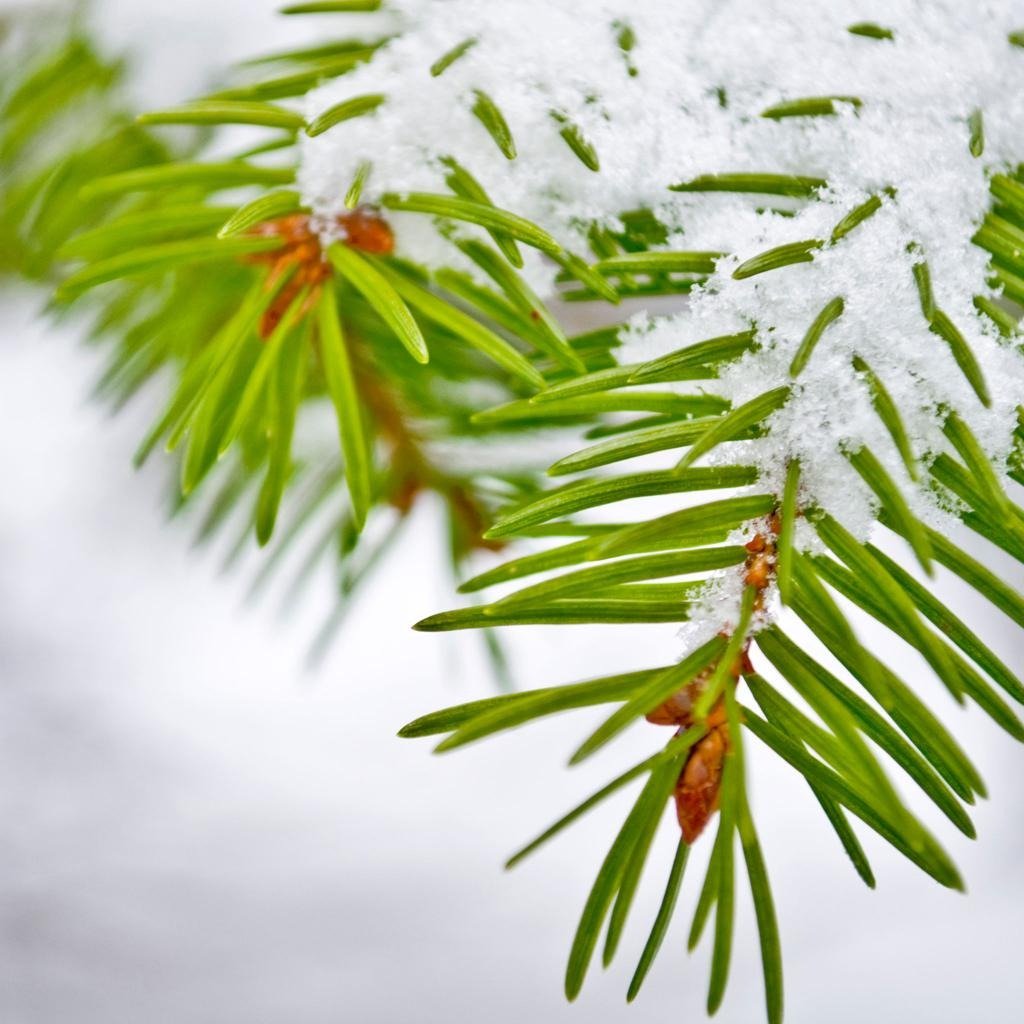
Winter often represents the conclusion of a chapter, a relationship, a stage of life, or an established way of thinking. Bare trees and dormant vegetation suggest that visible activity has ended, even though the larger cycle of life continues.
2. Stillness and introspection
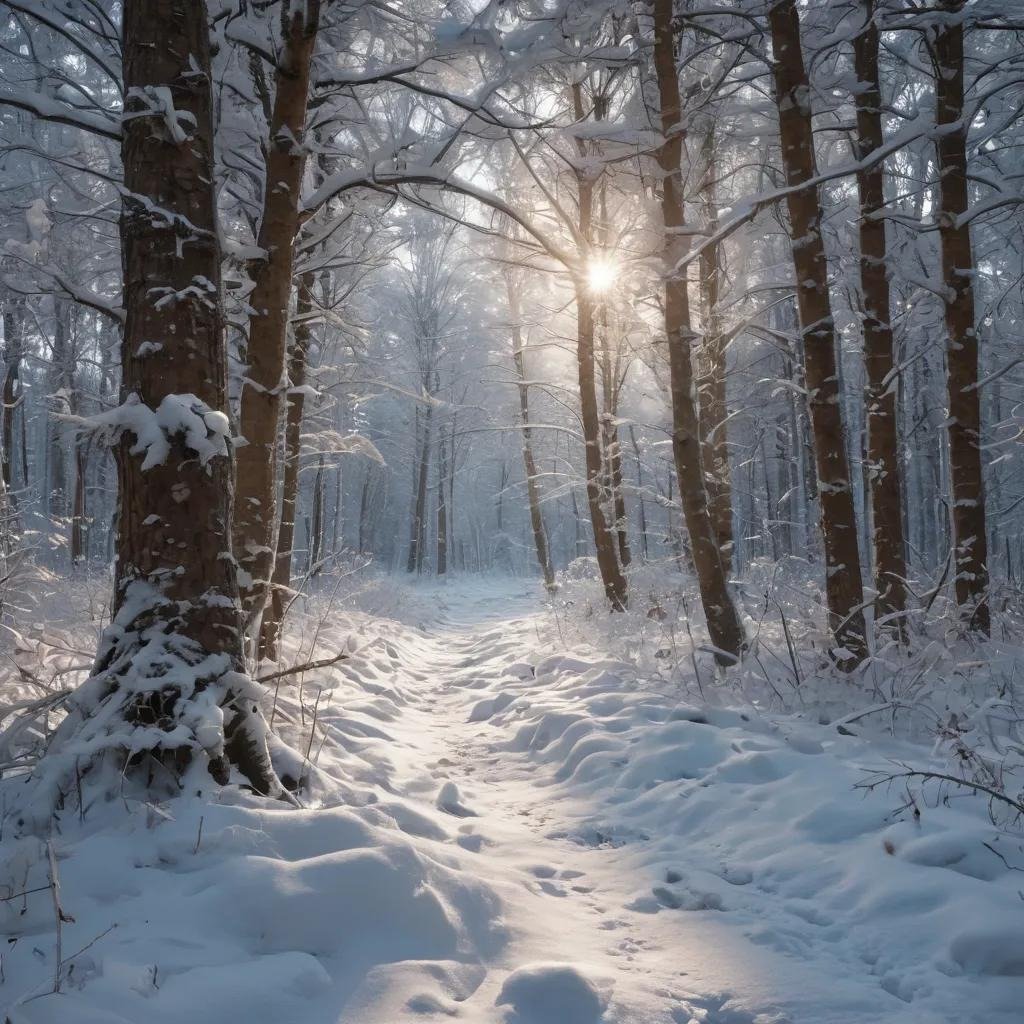
The quiet of winter symbolizes stepping away from distractions, examining personal choices, and listening to one’s thoughts. It can represent a necessary pause rather than a failure to progress.

3. Resilience and endurance
Evergreen trees that retain their foliage through winter are natural images of perseverance. They suggest the ability to withstand challenging circumstances without losing one’s essential character.

4. Hope and renewal
Winter’s place within the seasonal cycle connects it with the expectation of spring. This association makes winter a symbol of temporary hardship, patient preparation, and possibilities that have not yet become visible.
Winter Symbolism at a Glance
| Winter element | Common symbolic meaning |
| Snow | Purity, silence, concealment, fresh beginnings |
| Ice | Emotional distance, rigidity, preservation, danger |
| Bare trees | Loss, vulnerability, dormancy, transition |
| Evergreen trees | Endurance, continuity, hope |
| Long nights | Mystery, uncertainty, introspection |
| Winter sunlight | Clarity, comfort, hope, renewal |
| Frost | Fragility, beauty, temporary change |
| Hibernation | Rest, conservation, withdrawal |
| Melting snow | Release, transition, awakening |
| Winter storms | Conflict, adversity, emotional upheaval |
These associations are interpretive possibilities rather than universal definitions. A symbol gains meaning from its surroundings, cultural history, and the role it plays in a particular story or experience.
1. The Historical Origins and Evolution of Winter Symbolism
Winter has influenced human symbolism for thousands of years because seasonal changes have shaped agriculture, food supplies, settlement patterns, and cultural calendars. Before modern heating, transportation, and food storage, winter could bring serious practical challenges. These experiences helped make the season a powerful metaphor for vulnerability, survival, death, and hope.
Winter in Ancient Societies
In many ancient societies, the transition between seasons was closely connected to agricultural rhythms and religious observances. Winter could mark the end of harvest activity, a period of reduced agricultural production, or a time when communities depended on stored food.
These circumstances encouraged symbolic associations between winter and scarcity, endurance, and waiting. However, winter also created opportunities for rest, storytelling, communal gatherings, and rituals that strengthened social bonds.
In ancient Greek mythology, the story of Persephone and Demeter provides one influential explanation of seasonal change. Persephone’s time in the underworld is associated with the absence of growth, while her return to her mother corresponds to the restoration of fertility. The myth connects seasonal cycles with separation, grief, reunion, and renewal.
This is a mythological interpretation of the seasons, not a scientific account of how winter occurs. Its enduring importance lies in how it gives emotional and narrative meaning to natural change.
Winter in Medieval and Early Modern Life
In medieval Europe, winter frequently appeared in religious imagery, agricultural calendars, seasonal poetry, and descriptions of hardship. Cold weather could represent physical suffering or the difficulties of earthly life, while warmth and spring could evoke comfort and spiritual hope.
Yet winter was not understood identically across social groups. For farming communities, its meaning was often tied to survival and preparation. For religious communities, winter festivals could provide occasions for worship and fellowship. For writers and artists, snow-covered landscapes offered opportunities to explore isolation, beauty, mortality, and divine creation.
As societies changed, winter symbolism expanded beyond immediate concerns about survival. Literature, landscape painting, Romantic poetry, and later photography made winter an increasingly rich subject for examining human emotion and the relationship between people and nature.
Winter Symbolism in the Modern World
Today, winter still represents hardship and renewal, but it also carries meanings connected to holidays, travel, fashion, entertainment, seasonal marketing, and personal well-being.
A snowy landscape can evoke childhood memories, a cozy home, or a romantic atmosphere. In a thriller, the same landscape might create suspense or suggest that characters are trapped. Winter’s symbolic flexibility allows it to remain relevant even when modern technology reduces some of the practical difficulties associated with cold weather.
2. The Spiritual Meaning of Winter
Spiritually, winter is often interpreted as a season of inward attention, patience, surrender, and preparation. It can represent a period when a person steps back from outward achievements to consider deeper questions about identity, purpose, faith, and personal change.
Winter symbolism appears in contemporary spiritual writing through the metaphor of a spiritual winter: a period in which someone feels uncertain, disconnected, or unable to recognize progress.
This metaphor can be meaningful because growth is not always visible. A person may be learning, recovering, reconsidering priorities, or developing resilience even when their circumstances appear unchanged.
Winter as a Season of Inner Growth
Winter’s spiritual associations commonly include:
- Reflection: Examining personal values, decisions, and relationships.
- Patience: Accepting that some outcomes require time.
- Surrender: Recognizing that not every circumstance can be controlled.
- Purification: Letting go of habits or expectations that no longer serve a purpose.
- Renewal: Preparing for a different stage of life.
These are symbolic interpretations rather than universal spiritual laws. Not every spiritual tradition assigns the same meaning to winter, and not every person experiences the season as a time of inward growth.
What Does Winter Mean Spiritually in Everyday Life?
Imagine someone experiencing a career setback. They might interpret the period as a personal winter: a time to reassess their skills, reconsider their goals, and prepare for a new opportunity.
The symbolism offers a framework for understanding difficulty without assuming that hardship is automatically beneficial. Reflection can help people find meaning in an experience, but it does not eliminate practical problems or guarantee a particular outcome.
Expert Tip: Use winter as a metaphor for a temporary phase of life, not as proof that a specific event must happen. Symbolism can encourage thoughtful action without making promises about the future.
3. Winter Symbolism in Different Cultures and Traditions
Winter does not carry one universal cultural meaning. Its significance depends on geography, climate, historical experience, religious traditions, and the seasonal practices of a community.
For people living in regions with severe winters, the season may be strongly associated with preparation, survival, and endurance. In milder climates, winter can have different agricultural or social meanings. Cultural celebrations also influence how people interpret darkness, cold, warmth, and the return of daylight.
Winter in European Traditions
In various European folk traditions, winter has been associated with the struggle between darkness and light, the protection of the household, seasonal spirits, and the hope of returning fertility.
Evergreen plants have been used in winter celebrations partly because they remain green when many other plants lose their leaves. Their continued vitality can symbolize life and continuity during a season of apparent dormancy.
The symbolism of evergreen branches, candles, and seasonal feasts differs by place and period. It is important not to treat all European customs as a single, unchanged tradition.
Winter in East Asian Traditions
Winter can be understood through ideas of balance, seasonal transition, and the relationship between human life and nature in several East Asian philosophical and cultural traditions.
In Chinese cosmological thought, winter is associated with the seasonal movement of yin and yang. Winter is often connected with yin qualities such as inwardness, quiet, and cold, while the gradual return of yang is associated with increasing warmth and activity. These are features of a traditional cosmological framework, not a substitute for modern meteorology or a claim that all Chinese communities interpret winter identically.
In Japanese poetry and aesthetics, winter imagery can evoke simplicity, transience, quiet beauty, and the passage of time. Snow, bare branches, and cold landscapes may be valued for their ability to reveal subtle forms and create a sense of stillness.
Winter in Indigenous Traditions
Indigenous peoples across the world have distinct relationships with winter, shaped by their lands, languages, histories, and cultural practices. There is no single Indigenous interpretation of the season.
In some northern communities, winter knowledge has historically been connected to travel, hunting, shelter, ice conditions, food preservation, and close observation of the environment. These practical relationships may also be expressed through storytelling, cultural teachings, and community traditions.
A respectful account of winter symbolism should recognize the specific nation or community involved rather than assigning a generalized spiritual meaning to Indigenous cultures as a whole.
Winter in Southern Hemisphere Cultures
Winter also illustrates why symbolism cannot be separated from geography. In countries such as Australia, South Africa, and Argentina, winter occurs during approximately June through August, rather than December through February.
Its emotional and cultural associations may differ according to local climate, rainfall, ecosystems, and seasonal customs. Some regions experience mild winters; others face substantial cold, snow, or frost.
The broader symbolic associations of rest, hardship, or seasonal transition can still apply, but they should be understood in relation to local experiences rather than assumptions based on the Northern Hemisphere.
Cultural Interpretations Compared
| Cultural context | Possible winter associations | Important qualification |
| Ancient Greek mythology | Separation, grief, seasonal renewal | Drawn from particular myths, especially Persephone and Demeter |
| European winter customs | Endurance, evergreens, light, fellowship | Practices vary across countries and historical periods |
| Chinese cosmological traditions | Yin, inwardness, seasonal balance | Part of a broader traditional philosophical system |
| Japanese seasonal aesthetics | Stillness, transience, understated beauty | Meanings depend on the artwork, poem, or context |
| Indigenous northern communities | Environmental knowledge, preparation, community | Traditions are nation-specific and diverse |
| Contemporary global culture | Holidays, comfort, isolation, reflection | Personal experience and local climate influence meaning |
The central lesson is that winter symbolism emerges from relationships between the environment and human life. Similar natural features may inspire different meanings in different places.
4. Winter Symbolism in Religion and Religious Festivals
Winter has a place in several religious calendars, although the timing and interpretation of winter-related observances differ across traditions. Religious celebrations can transform the season’s darkness, cold, and changing daylight into symbols of faith, remembrance, hope, and community.
Winter and Christianity
In many Christian traditions, Christmas celebrates the birth of Jesus Christ and is associated with hope, divine love, peace, and spiritual light. In parts of the Northern Hemisphere, the holiday falls during winter, and candles, stars, evergreens, and illuminated decorations contribute to its seasonal imagery.
However, the Christian meaning of Christmas is theological rather than dependent on winter itself. Christian communities in the Southern Hemisphere celebrate Christmas during summer, demonstrating that the religious significance of the holiday does not require cold weather or snow.
Winter imagery may also be used in Christian poetry and devotional writing to express spiritual struggle, waiting, or the hope of renewal.
Winter Solstice Celebrations
The winter solstice occurs when a hemisphere experiences its shortest day and longest night of the year. In the Northern Hemisphere, it usually falls around December 21 or 22; in the Southern Hemisphere, it occurs around June 20 or 21.
The solstice has inspired seasonal observances in different societies. The return of increasing daylight after the Northern Hemisphere winter solstice can symbolize hope, continuity, and the gradual emergence of light.
Solstice traditions are not identical, and their histories should not be collapsed into a single universal festival. Modern spiritual practices, historical observances, and contemporary cultural celebrations may share imagery while differing in origin and meaning.
Winter in Other Religious Contexts
Other religious calendars contain important observances that may occur during winter, depending on the year and location. Hanukkah, for example, is a Jewish festival associated with the rededication of the Second Temple and the tradition of the oil lasting eight days. Its lighting of the menorah carries religious and historical significance, and the festival often falls during the Northern Hemisphere winter.
Buddhist communities also observe festivals and periods of practice according to diverse calendars and traditions. Winter may influence the timing or atmosphere of certain activities in some places, but it does not have one universally recognized Buddhist symbolic meaning.
Key distinction: A holiday occurring during winter does not necessarily mean that winter itself is a central religious symbol. The season, the festival, and its theological meaning should be considered separately.
5. The Psychological Meaning of Winter
Psychologically, winter can symbolize withdrawal, emotional distance, rest, vulnerability, and introspection. Its reduced daylight and colder weather may influence people’s routines and experiences, while cultural stories and personal memories shape what the season means to them.
It is important to distinguish psychological symbolism from psychological research. The idea that winter represents emotional coldness is a metaphor; it does not mean that people become less caring when temperatures fall.
Winter as a Metaphor for Emotional Coldness
In everyday language, a person may be described as having a “cold heart” or an “icy personality.” These expressions use the physical qualities of winter to communicate emotional distance, indifference, or difficulty expressing affection.
Writers often use winter settings to reinforce this metaphor. A character who refuses to trust others might live in a cold, isolated environment, while a thawing landscape might accompany a gradual return to intimacy.
The connection is powerful because readers can associate physical cold with discomfort and distance. Nevertheless, a winter landscape does not automatically indicate a character’s emotional state; its meaning depends on the wider narrative.
Winter, Rest, and Mental Well-Being
Some people experience winter as a welcome opportunity to slow down. Quiet evenings, warm indoor spaces, reading, and time with family may become especially meaningful.
Others experience difficulties related to reduced daylight, isolation, disrupted routines, or seasonal changes in mood. Seasonal affective disorder (SAD) is a recognized form of depression associated with seasonal patterns, often involving symptoms that begin in fall or winter and improve during spring.
Not everyone experiences winter in this way, and seasonal mood changes should not be confused with symbolic interpretations. If low mood is persistent, severe, or interferes with everyday functioning, professional health advice may be appropriate.
Why Winter Imagery Can Feel Emotional
Winter scenes often combine several features that influence perception:
- Reduced visual detail: Snow can cover familiar surfaces, making a landscape appear simpler or unfamiliar.
- Muted colors: Gray skies, white snow, and dark branches can create a restrained visual palette.
- Environmental quiet: Snow-covered surroundings may appear or sound quieter, depending on the setting.
- Physical contrast: Cold surroundings and warm interiors create a strong sense of shelter and comfort.
These observations help explain why artists and storytellers can use winter to communicate loneliness, calm, uncertainty, or intimacy. The emotional response, however, depends on the viewer’s associations and circumstances.
6. Winter Symbolism in Literature and Storytelling
Winter is one of literature’s most versatile settings because it can establish atmosphere, create conflict, and reflect changes in a character’s life. Authors use cold weather, snow, darkness, and dormant landscapes to give abstract ideas a concrete form.
Winter as Death and Dormancy
In literature, winter often represents a world in which ordinary life appears suspended. Trees lose their leaves, fields become less productive, and movement may become difficult.
This imagery can accompany grief, social decline, aging, failed relationships, or the end of an era. A winter landscape may suggest that something has ended, even when the narrative leaves open the possibility of future change.
The distinction between death and dormancy is especially important. A dormant tree is not necessarily dead, so winter can represent a pause rather than a final conclusion.
Winter as Isolation and Conflict
Snowstorms, frozen roads, and long nights can isolate characters from other people. These settings are especially useful in mystery, horror, and survival fiction because they can make escape or communication difficult.
Winter may also create an atmosphere of suspense. A character crossing an empty, snow-covered landscape can appear vulnerable, while a blizzard can turn a familiar setting into an unfamiliar threat.
Winter in The Lion, the Witch and the Wardrobe
In C. S. Lewis’s The Lion, the Witch and the Wardrobe, the White Witch’s rule is associated with a world trapped in perpetual winter. The setting communicates oppression, stagnation, and the absence of ordinary seasonal renewal.
The arrival of spring becomes a sign that the Witch’s power is weakening and that change is possible. Winter therefore functions as more than a backdrop: it helps communicate the moral and narrative structure of the story.
The example illustrates how an author can use the familiar contrast between winter and spring to make a larger conflict understandable to readers.
Winter as a Symbol of Hope
Winter imagery does not always signal despair. A character who survives a difficult season may emerge more experienced, patient, or compassionate.
In such narratives, the passage from winter to spring can represent reconciliation, healing, or a new beginning. The transition is most effective when the story establishes what has changed rather than treating spring as an automatic solution to every problem.
7. Winter Symbolism in Art, Photography, and Visual Communication
Artists use winter to explore form, contrast, mood, scale, and the relationship between people and their surroundings. Snow can simplify a scene, ice can distort reflections, and bare branches can create striking lines against the sky.


9
Color Symbolism in Winter Art
Winter imagery often relies on a limited palette, although not every winter scene is predominantly white or blue.
| Visual element | Possible interpretation | Typical artistic effect |
| White snow | Purity, emptiness, concealment | Creates negative space and visual simplicity |
| Blue shadows | Coldness, distance, melancholy | Establishes depth and cool atmosphere |
| Gray skies | Uncertainty, monotony, restraint | Reduces contrast and dramatic intensity |
| Golden windows | Safety, warmth, belonging | Creates a focal point against a cold landscape |
| Red clothing or berries | Vitality, urgency, life | Draws attention within a subdued scene |
| Dark tree branches | Fragility, age, endurance | Emphasizes structure and contrast |
These meanings are not fixed psychological rules. White can represent celebration in one context and grief in another, while blue can communicate peace as readily as sadness.
Winter in Photography and Film
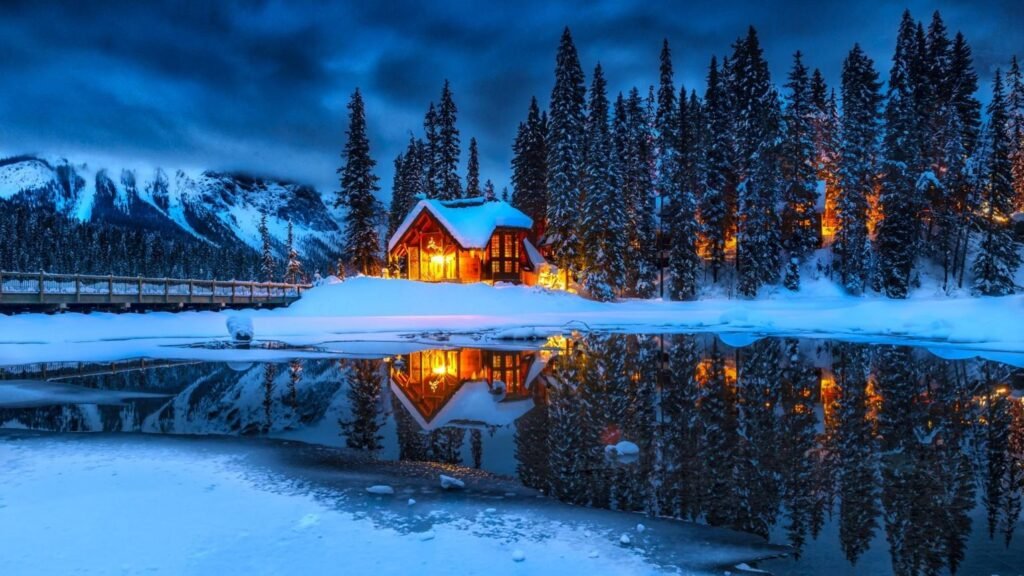
Photographers often use winter to create strong contrasts between light and shadow. A solitary figure against an expansive snowy landscape may suggest vulnerability or independence. A warmly lit cabin surrounded by snow may communicate refuge and intimacy.
Film directors can also use temperature and weather as visual storytelling devices. A frozen landscape may foreshadow danger, while melting ice can indicate a transition in a character’s circumstances.
The most effective use of winter symbolism aligns the setting with the story’s themes without relying on the weather alone to communicate the message.
8. Winter Symbolism in Mythology and Folklore
Mythology and folklore frequently personify winter through seasonal figures, supernatural beings, or stories about the relationship between humanity and nature.
In Greek mythology, the story of Persephone links seasonal barrenness with separation and the return of fertility. In other European folk traditions, winter stories feature personifications of cold, seasonal visitors, household spirits, and figures associated with midwinter celebrations.
In some modern retellings, winter figures represent danger or moral testing. In others, they embody generosity, celebration, or the wonder of the natural world.
These narratives should be understood within their individual cultural contexts. Similar characters or motifs do not necessarily share the same historical origin simply because they appear during the same season.
What Does a Snowstorm Symbolize in Folklore?
A snowstorm can symbolize an obstacle, a test of endurance, a period of uncertainty, or a force beyond human control. In a traditional tale, it may prevent a traveler from reaching home, forcing the character to rely on courage, kindness, or the assistance of strangers.
In contemporary fantasy, a blizzard may represent the boundary between familiar reality and a mysterious world. The interpretation depends on the narrative rather than on a universal folklore rule.
9. Philosophical Interpretations of Winter
Winter raises philosophical questions about change, impermanence, patience, and the limits of human control.
Winter and Impermanence
A winter landscape illustrates that familiar appearances do not necessarily last. Leaves fall, rivers freeze, and snow eventually melts. The same landscape can look radically different across seasons.
This observation can support philosophical reflection on impermanence: the idea that conditions, experiences, and forms of life change over time. Different philosophical traditions interpret impermanence in distinct ways, so winter should not be treated as a symbol belonging exclusively to any one philosophy.
Winter and the Value of Waiting
Modern life often emphasizes speed, productivity, and visible achievement. Winter offers a contrasting metaphor: some processes require time, and not every stage of development produces immediate results.
Waiting can be productive when it involves preparation, learning, recovery, or deliberate restraint. It can also become avoidance when it prevents necessary action. Winter symbolism is most useful when it encourages people to distinguish between these possibilities.
Winter and the Limits of Control
Severe weather reminds people that natural processes cannot always be controlled. Philosophically, winter can therefore represent humility, adaptation, and the need to respond thoughtfully to circumstances beyond one’s influence.
This does not mean that people must passively accept every difficulty. It means recognizing the difference between changing a situation, adapting to it, and acknowledging what cannot presently be changed.
10. Winter Symbolism in Dreams
Winter dreams are sometimes interpreted as symbols of emotional distance, uncertainty, personal transition, or a desire for rest. A snowy field may evoke peace for one person but loneliness for another.
There is no universally established dream dictionary that can reliably assign one fixed meaning to every winter image. Dream interpretation is subjective, and the scientific evidence does not establish that a particular winter dream predicts a future event.
Consider the details of the dream:
- Walking through deep snow: You might associate it with slow progress, effort, or feeling weighed down.
- Watching snow fall peacefully: It may evoke calm, nostalgia, or a wish for quiet.
- Being trapped in a blizzard: You might connect it with uncertainty or a situation that feels difficult to navigate.
- Seeing ice melt: It could bring to mind a change in circumstances or the easing of tension.
- Finding a green plant in winter: It may suggest persistence, unexpected hope, or something important that has survived a difficult period.
These are reflection prompts, not diagnoses or predictions. Personal associations are more informative than assuming that every image has the same meaning for everyone.
11. Winter Symbolism in Branding, Design, and Modern Culture
Winter imagery has become a recognizable visual language in advertising, retail, interior design, entertainment, and digital communication.
Brands can use winter to communicate comfort, elegance, celebration, freshness, exclusivity, or adventure. The same visual features can produce different results depending on the product, audience, and cultural setting.
Winter in Branding and Marketing
Businesses frequently use seasonal imagery to create an emotional connection with products and experiences.
- Hospitality brands: Snowy cabins, warm lighting, and fireplaces can communicate comfort and escape.
- Fashion brands: Frosted colors, layered clothing, and winter landscapes can suggest sophistication or practicality.
- Food and beverage brands: Warm drinks and seasonal meals can evoke comfort, indulgence, and togetherness.
- Outdoor brands: Snow-covered mountains can represent adventure, endurance, and technical performance.
- Beauty brands: Frost, ice, and crystalline textures can suggest freshness, precision, or luxury.
Effective branding requires more than adding snowflakes to a design. The imagery should reflect the brand’s identity and the expectations of its intended audience.
Winter in Interior Design
Winter-inspired interiors often use tactile materials, warm lighting, layered fabrics, and restrained color palettes to create a sense of shelter.
Wool, wood, textured blankets, soft lighting, and warm neutrals can evoke coziness, while glass, silver, and icy blue accents may create a cooler, more minimalist effect.
These are design conventions rather than universal rules. Some audiences associate winter with festive abundance, while others prefer simplicity or outdoor adventure.
Winter in Digital Communication
Emojis and seasonal graphics simplify winter into recognizable visual cues. Snowflakes, snowmen, evergreen trees, and cold-weather icons can indicate seasonal greetings, weather updates, holidays, or winter-related content.
A snowflake emoji may communicate excitement about snowfall, a seasonal aesthetic, or simply cold weather. Its meaning depends on the surrounding message and the relationship between the people communicating.
For website publishers, winter symbolism also offers a useful topic cluster connecting seasonal traditions, winter colors, snow symbolism, evergreen symbolism, winter solstice traditions, and winter imagery in literature.
12. Common Mistakes When Interpreting Winter Symbolism
Winter symbolism becomes more meaningful when interpretations are supported by context rather than assumptions.
Common mistakes include:
- Assuming winter always represents sadness. Winter can also symbolize peace, beauty, celebration, comfort, and resilience.
- Treating cultural meanings as universal. A symbol may have different meanings across communities, religions, and historical periods.
- Confusing metaphor with scientific evidence. Calling winter a season of spiritual transformation is an interpretive framework, not a scientific law.
- Ignoring the surrounding imagery. Snow beside a warm home may suggest security, while snow during a dangerous journey may suggest vulnerability.
- Assuming winter dreams predict the future. Dreams can prompt personal reflection, but their symbolic content does not establish what will happen.
- Overlooking geography. Winter differs substantially between climates and hemispheres, so interpretations should reflect the setting.
Myth vs. Fact
| Myth | More accurate interpretation |
| Winter always symbolizes death. | It can represent dormancy, transition, or rest as well as death. |
| Snow always symbolizes purity. | Snow can also suggest concealment, isolation, danger, or emotional emptiness. |
| Winter has the same meaning in every culture. | Symbolic meanings develop through specific cultural and historical experiences. |
| Winter always causes sadness. | People experience winter differently; some enjoy its atmosphere and activities. |
| Winter dreams predict future events. | Dream meanings are subjective and are not reliable evidence of future outcomes. |
| Spring always symbolizes a happy ending after winter. | Renewal is a common metaphor, but real-life transitions can remain complicated. |
13. Practical Applications: How to Use Winter Symbolism
Winter symbolism can help people communicate complex ideas in writing, art, education, personal reflection, and professional design.
Creative writing
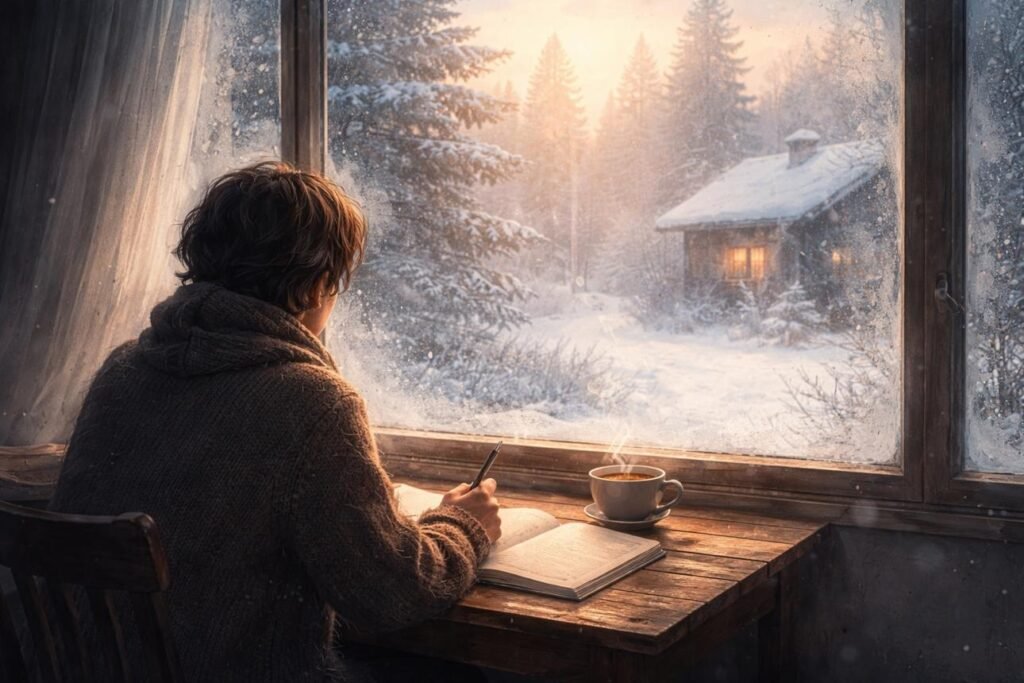
Use winter to establish mood, reflect a character’s emotional state, or signal a period of transition. For example, a character surrounded by frozen branches might feel trapped, while the appearance of a single green shoot could suggest cautious hope.
Art and photography
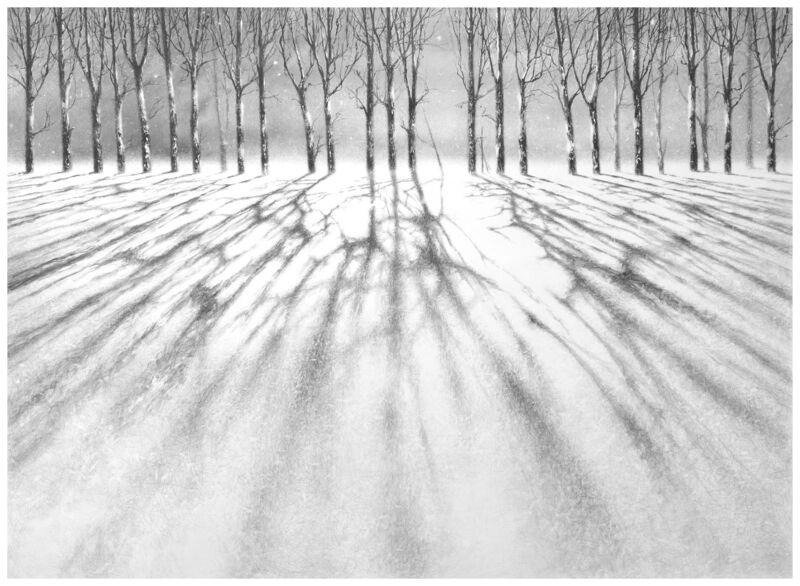
Experiment with negative space, muted colors, contrasting light, and isolated figures to express solitude, calm, or vulnerability. Consider how the same snowy scene changes when warm light enters the composition.

Interior design and branding
Combine winter imagery with textures and lighting that support your intended message. Warm materials can suggest hospitality, while cool surfaces and minimalist layouts can communicate restraint or sophistication.

Personal reflection
Use winter as a prompt to consider what needs rest, what deserves protection, and what you might prepare for next. The metaphor can support reflection without suggesting that hardship is necessary or that positive change is guaranteed.
How to Analyze Winter Symbolism in a Text or Artwork
Follow these five steps when interpreting winter imagery:
- Identify the winter elements. Look for snow, ice, frost, darkness, bare trees, storms, or signs of warmth.
- Examine the atmosphere. Does the setting feel peaceful, threatening, empty, intimate, or hopeful?
- Connect the setting to the central theme. Consider whether winter reinforces ideas about change, isolation, survival, or renewal.
- Consider cultural context. Investigate relevant myths, seasonal customs, historical conditions, or religious references.
- Test alternative interpretations. Ask whether the imagery supports more than one plausible reading.
This method helps avoid simplistic interpretations and encourages evidence-based analysis of symbolism.
14. Did You Know? Five Interesting Facts About Winter Symbolism
Evergreens symbolize continuity.
Because many evergreen trees retain their foliage throughout winter, they can represent endurance and persistent life when other trees appear bare.

The winter solstice connects darkness with hope.
After the Northern Hemisphere winter solstice, daylight gradually increases. This astronomical change has inspired symbolism involving light, continuity, and renewal.

Snow can conceal as well as reveal.
Snow simplifies a landscape visually, but it can also cover familiar features. Artists use this dual quality to explore purity, uncertainty, mystery, and hidden realities.
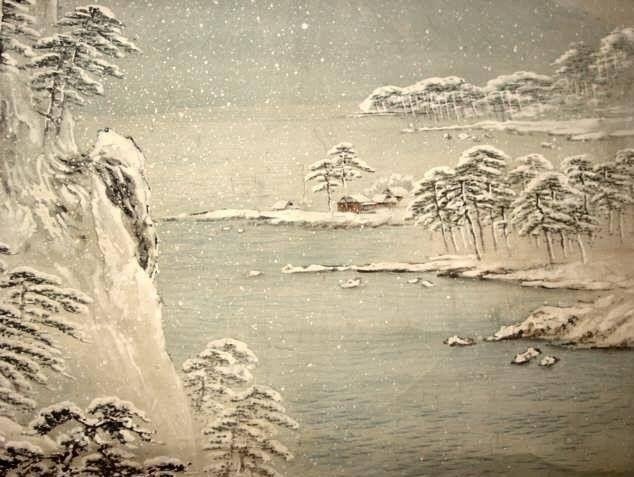
Winter has a place in seasonal aesthetics.
In poetry and visual art, winter landscapes can emphasize simplicity, fleeting beauty, and the contrast between stillness and change.
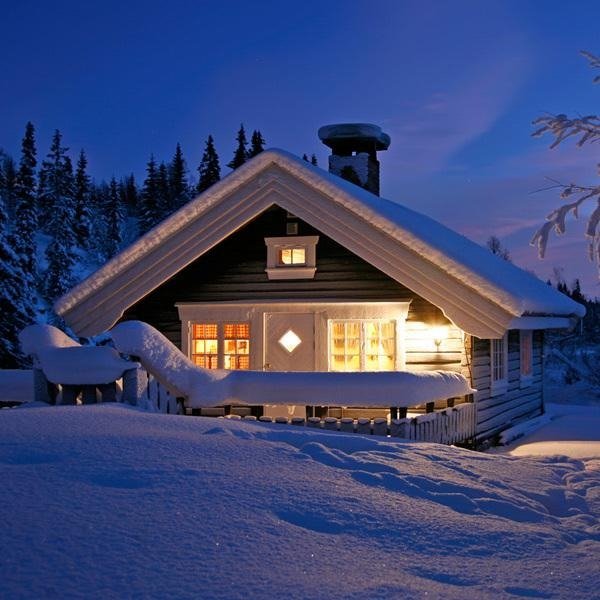
Warmth gains visual importance in cold settings.
A small light or welcoming home can become especially prominent against a dark, snowy landscape, making shelter and belonging central to the image.
15. Frequently Asked Questions About Winter Symbolism
1. What does winter symbolize spiritually?
Winter spiritually symbolizes reflection, patience, endurance, rest, and preparation for change. Some people use it as a metaphor for periods of uncertainty or reduced outward progress. Its meaning varies by personal belief and spiritual tradition; it does not guarantee a particular future outcome.
2. Is winter a symbol of death or rebirth?
Winter can symbolize both death and rebirth. Bare trees and frozen ground may represent endings, mortality, or dormancy, while winter’s place in the seasonal cycle suggests that growth can return. The balance between these meanings depends on the cultural, literary, or personal context.
3. What does snow symbolize in literature?
Snow can symbolize purity, silence, isolation, concealment, danger, or a fresh beginning. Writers may use it to create a peaceful atmosphere or to make characters appear vulnerable in a vast landscape. Its meaning depends on the plot, imagery, and themes of the work.
4. What does winter represent in dreams?
Winter in a dream may bring to mind rest, emotional distance, uncertainty, isolation, or a period of transition. A peaceful snowfall may evoke comfort, while a blizzard may suggest feeling overwhelmed. These interpretations are subjective reflection prompts, not scientifically established predictions or diagnoses.
5. Why is winter associated with hope and renewal?
Winter is associated with hope because it forms part of a recurring seasonal cycle. In temperate regions, many plants enter periods of reduced growth and later resume growing when conditions become favorable. This natural pattern provides a metaphor for patience, recovery, and the possibility of new beginnings.
6. How is winter symbolism used in art and branding?
Artists use winter imagery to communicate atmosphere, contrast, isolation, tranquility, or transformation. Brands use snow, evergreens, warm lighting, and cool color palettes to evoke seasonal celebration, comfort, adventure, or sophistication. Effective interpretation depends on the intended audience and the wider visual message.
Conclusion: The Lasting Meaning of Winter Symbolism
Winter symbolism captures the complexity of change. Its cold landscapes and long nights can represent endings, isolation, uncertainty, and vulnerability, while its stillness and seasonal rhythms can suggest reflection, resilience, patience, and renewal.
Across mythology, religious observances, literature, philosophy, visual art, and modern branding, winter provides a way to express experiences that are difficult to communicate directly.
Its meaning is never entirely fixed: a snowy landscape can appear threatening or peaceful, a bare tree can signify loss or dormancy, and darkness can represent despair or the quiet space needed for reflection.
Understanding winter symbolism means paying attention to context, cultural history, and individual experience.
Rather than assuming that winter always carries one message, consider how its imagery interacts with the story, tradition, artwork, or situation in which it appears.
Ultimately, winter reminds us that visible inactivity does not necessarily mean that nothing is happening.
As a symbol, it encourages a more nuanced understanding of endings, waiting, endurance, and the possibility of change.
Key Takeaways
- Winter commonly symbolizes endings, dormancy, solitude, endurance, reflection, and renewal.
- Snow, ice, bare trees, evergreens, and winter sunlight carry different meanings depending on context.
- Spiritual interpretations often connect winter with patience, inward growth, and preparation.
- Cultural and religious associations differ across communities and geographical regions.
- Literature and visual art use winter to establish mood, develop themes, and communicate emotional change.
- Winter symbolism can inform branding, design, storytelling, education, and personal reflection.
- Symbolic interpretations should be distinguished from scientific evidence, historical facts, and established religious teachings.
Semantic Entities, NLP Concepts, and Related Keywords
The following terms represent the major semantic relationships covered in this article. They can also help organize related content on a symbolism-focused website.
| Category | Entities and related terms |
| Primary keyword | Winter symbolism |
| Core semantic keywords | Meaning of winter, winter symbolism meaning, what winter represents, winter as a symbol |
| Nature and seasonal entities | Snow, ice, frost, evergreen trees, bare branches, winter solstice, seasonal cycles |
| Emotional concepts | Solitude, introspection, melancholy, peace, resilience, patience, hope |
| Spiritual concepts | Inner growth, renewal, purification, transformation, surrender, reflection |
| Historical and cultural entities | Ancient Greek mythology, Persephone, Demeter, seasonal folklore, winter traditions |
| Religious associations | Christmas, Hanukkah, solstice observances, religious light symbolism |
| Literary concepts | Setting, metaphor, imagery, foreshadowing, atmosphere, narrative transformation |
| Art and design concepts | Color symbolism, visual communication, negative space, contrast, composition |
| Psychology-related terms | Seasonal affective disorder, personal associations, emotional metaphor, perception |
| Modern applications | Branding, interior design, photography, digital communication, seasonal marketing |
| Related topic clusters | Snow symbolism, ice symbolism, evergreen symbolism, winter solstice symbolism, spring symbolism, darkness symbolism, renewal symbolism |
Suggested topical relationships for internal linking: Winter symbolism connects naturally with the symbolism of snow, ice, evergreens, darkness, light, seasons, death and rebirth, and spring. Developing these related topics can help readers explore how individual natural elements contribute to broader symbolic themes.
Editorial note: This article is structured for search readability and semantic coverage. No article can guarantee rankings, originality against every existing publication, or a particular AI-detection result; factual review and a final editorial check remain advisable before publication.

Discover symbolism in art, literature, and creativity with Amelia Rhodes’ insightful articles.
